Voices

Coming Up For Air: What Would It Be Like to Grow Up Queer?
My parents have been accepting of different types of sexualities, but what scares me is that I don’t know how accepting they’d be if one day my brother or I told them we were interested in people of the same gender, or even more taboo: that we were having difficulty identifying with the gender we were raised as.
By Zoya Achanta
October 17, 2016
Consent? Leave Sex Aside, What About It In Families?
How have we reached a point where non-consensual behaviours in romantic and sexual relationships are criminalised, but parental domination is still legitimised, or trivialised in the name of “Oh, but I know my parent is a good person and wants what is best for me”?
By Meghna Bohidar
October 3, 2016
Making Sex-Ed for Parents Accessible: Let’s Start With Our Bookstores
Looking for birthday gifts for nieces and nephews in a favourite, well-curated bookshop in Delhi, we were dismayed that we couldn’t find any books that told the kinds of stories that we would like for kids today to read and hear.
By Kristin Francoeur and Surabhi Srivastava
What Has Comprehensive Sexuality Education Got to Do With Child Sexual Abuse?
When working with parents on child sexual abuse prevention, I often get asked the question, “How old should my kids be before I talk to them about sexual abuse?” My usual response is, “How old do kids need to be before they can be sexually abused?”
By Alankaar Sharma

The Many Shades of Parenting and Sexuality
As a society, in our platforms of exchange of goods, products and services, how are we approaching parenting, children or sexuality? Stores are clearly catering to the constructed parent and child. There’s lots of toys, clothes, diapers, bedsheets and cute dangling, fluffy things to cluck at in stores catering to parent and child as a combination thali (platter). The day I see personal and sexual hygiene products in a store catering to mom and a teenaged me, I will kick up my heels and bray.
By Shikha Aleya
October 3, 2016
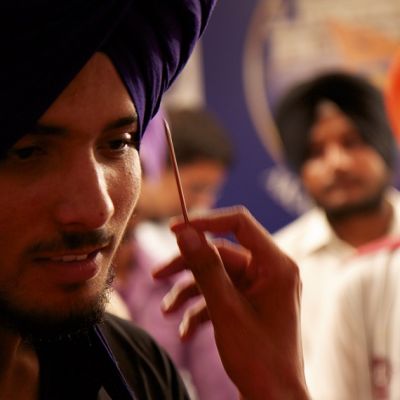
What the Sikh Turban Means to Masculinity in These Transnational Times
If the turban-tying ceremony represents the official rite of passage from Punjabi/Sikh boyhood into Punjabi/Sikh manhood, the practice of cutting unshorn hair upon arriving in Chandigarh signifies yet another (albeit unofficial) rite of passage from Punjabi/Sikh manhood into migrant manhood.
By Harjant Gill
September 15, 2016
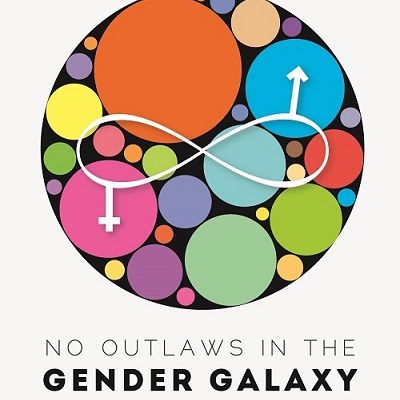
Book Excerpt: ‘No Outlaws in the Gender Galaxy’
The book explores how gender plays out in public and private institutions like family, educational institutions, work and public spaces. It illustrates the multiplicity of ways in which people live gender and testifies that even if there are gender laws, in a just world there can be no gender outlaw.
By Shah-Merchant-Mahajan-Nevatia
September 15, 2016
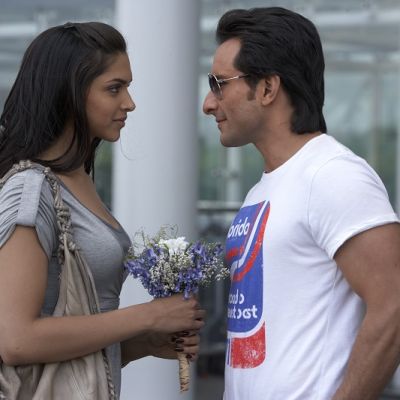
Playlist: Separation and Longing in Bollywood Movies
Watch some popular Bollywood music videos about separated lovers across the decades.
By Ramya Anand
September 15, 2016
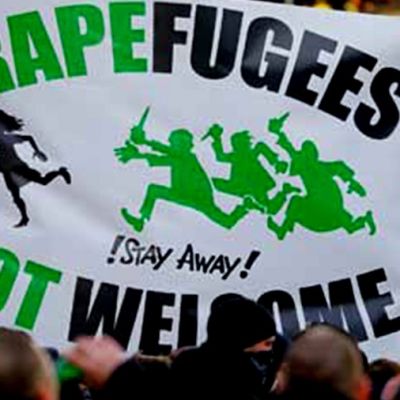
Of Monsters and Men: Why We Need to Excavate Feminism
While Islam was loudly decried a religion of molesters, the European far right – not exactly known for their commitment to gender equality and women’s rights – now appoint themselves the protectors of ‘their’ (i.e. European white) women against an ‘onslaught of Muslim rapists’.
By Lucie Bernroider
September 1, 2016
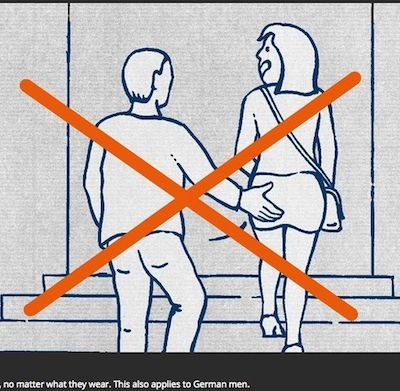
Not So Impervious: Borders of Migration and Sexuality
The migrant has come to represent threat on many fronts, with sexuality and sexual behaviours storming the front of fronts. This is because sexuality is in itself so threatening to so many; as a word, as a concept, it is untidy, unknown, uncontainable, like that alien substance bubbling out of its pod in the film ‘Prometheus’. Or ‘Alien’.
By Shikha Aleya
September 1, 2016
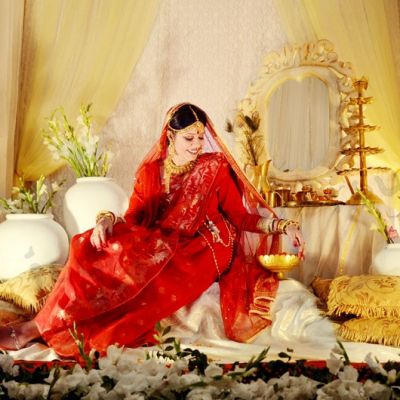
On the Rights of Women in ‘NRI’ Marriages
Often, these marriages are performed in great haste as the groom comes to India for a short holiday. In their enthusiasm to clinch, what appears to be a highly desirable marriage alliance, which will open up new opportunities, exposure and happiness to their daughter, the parents may throw caution to the wind and seal the match.
By Flavia Agnes
September 1, 2016
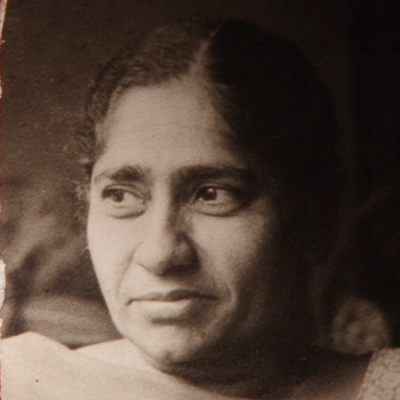
Partition Stories: The Time My Grandmother Carried Ghalib Across the Border
When rumours of the Partition spread, many families began leaving their homes and moving out. How the Hindus and Sikhs behaved there (in what was to be India), Muslims did the same things here (in what was to be Pakistan). They would say, ‘Let’s go loot!’
By Surbhi Dewan

Picking Pockets: Why Functional Clothing Matters for Feminism
The link between women’s clothing and patriarchy is important to acknowledge and understand if we are to address some pertinent questions around women’s agency and ability to exercise control over their choices, bodies and sexuality – questions that feminists around the world, including in South Asia, continue to struggle with.
By Kristin Francoeur and Surabhi Srivastava
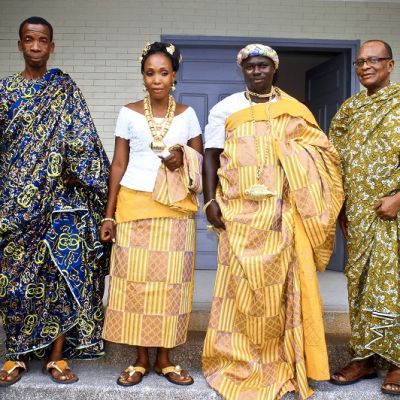
The Various Hues and Hemlines of African Women’s Attire
Sub-Saharan Africa itself is very diverse. There are Muslims, Christians and people whose cosmological beliefs and practices hark back to the thousands of years before the arrival of the monotheistic faiths. South Asia has also had some cultural impact, particularly in Eastern, Central and Southern Africa. Against this general background, it is not surprising that notions of feminine modesty, which influences the regulation of dress, vary across regions and religious traditions.
By Edward Kannyo
August 2, 2016

Extra Large
“Large will not fit you.” / She is scoping me, up and down, eyes / Flicking fast and darting away / From the roundness of my breasts / To the happy jiggle of my thighs.
By Damini Kulkarni
August 2, 2016