Voices

A Letter To My 16-Year-Old Self
You see, you are being pushed and pulled in all directions because people around you, whether family, friends or the larger society, expect you to behave in a particular fashion and stick to existing norms. However, your inner voice is telling you to challenge these norms and follow your own path.
By ElsaMarie D'Silva
February 3, 2020
For I Am A Woman
For I was a woman / Taught to chain herself gracefully / In an invisible cage.
By Khushi Pahuja
February 3, 2020
Love, Lust and PDA
I extend my support and solidarity to people, across the spectrum of gender and sexuality, who want to break closed doors and walls to establish safe spaces where one can love freely, without inhibitions; people who seek to re-define love and intimacy in their own independent, non-patriarchal terms.
By Anannya Chatterjee
January 2, 2020
Where Do I Go?
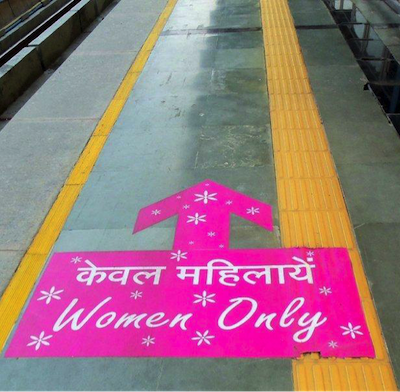
As renowned queer scholar Judith Butler said, “For those who are still looking to become possible, possibility is a necessity.” This is essential but also easier said than done.
By Smita Vanniyar
January 2, 2020
Safety and Adventure All Rolled Into One
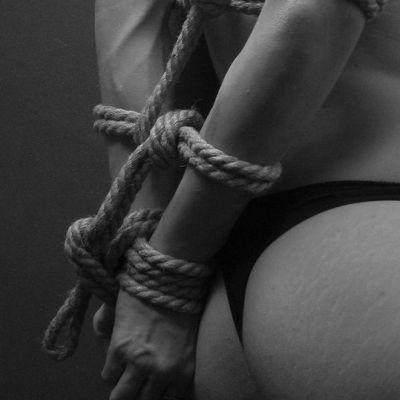
However elusive the combination of safety and adventure, it’s a framework I find terribly useful. It helps me understand much of life, including spirituality and sexuality, and what the two might have in common.
By Jaya Sharma
January 2, 2020
Worlds Within Queer Worlds: Presence, Politics And Diversity
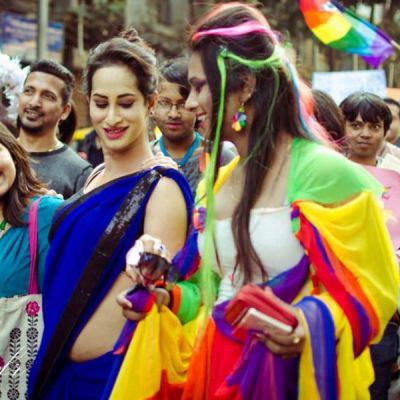
Many among us are called names, are greeted with aggressive taunts and jeers on the very streets we boldly occupy at least once every year,so we go on living docilely until the next Pride, when performative reclamation of spaces becomes possible.
By Sohini Chatterjee
January 2, 2020
A Cafe Of Our Own?: The Politics Of Queer Spatiality In Urban India
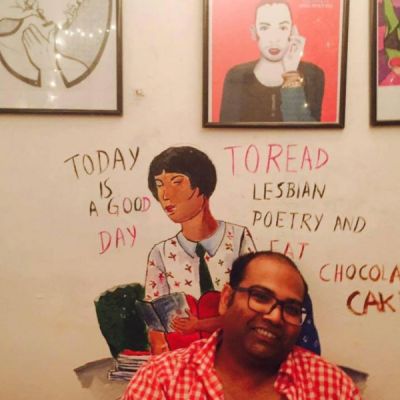
Queer cafés are not exempt from the fast changing landscape of Indian metropolitan areas and offer both inclusion as well as exclusion from the promise of a queer utopia.
By Swati Vijaya and Debanuj Dasgupta
Radicalise The Banal
How we treat each other in our daily lives informs our feminist praxis. How we fail each other in our daily lives through the use of unkind language, dismissal of mental illnesses, making fun of one’s own choices, disrespecting personal boundaries (and so on), also counter our feminist praxis.
By Debarati Sarkar
December 16, 2019
Neelam And The Ballyhoo
Parents and significant adults in the lives of the Neelams of the world have been programmed to see age-appropriate sexual behaviour through the very narrow lens of “problems and disorders”. Their engagement of professionals like myself is mostly restricted to seeking to curb in the Neelams what is natural and joyous.
By Dr Jai Ranjan Ram
December 2, 2019
Why We Still Need Campaigns Like The 16 Days of Activism
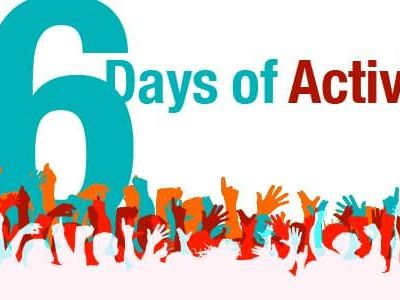
Every year we participate in an international campaign known as “The 16 Days Campaign” which runs from 25 November (International Day for the Elimination of Violence against Women) to 10 December (Human Rights Day). It is an organising strategy by individuals and organisations around the world to call for the prevention and elimination of violence against women and girls.
By ElsaMarie D'Silva
December 2, 2019
Adolescent Sexuality – Values And Conflicts In The Field
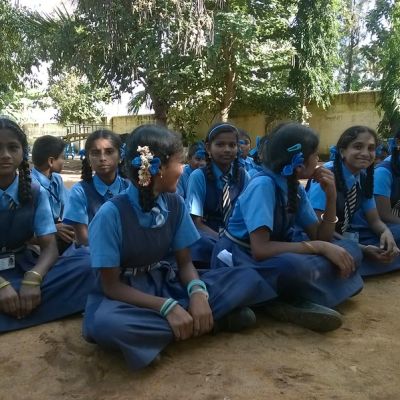
As development professionals, our tasks involve reflecting on the norms that service providers, colleagues and field staff engaging with communities hold on to so strongly. How can programmes create safe spaces to match up to service providers’ professional and personal beliefs so that they can challenge those norms in their own families and be non-judgmental?
By Suniti Neogy
December 2, 2019
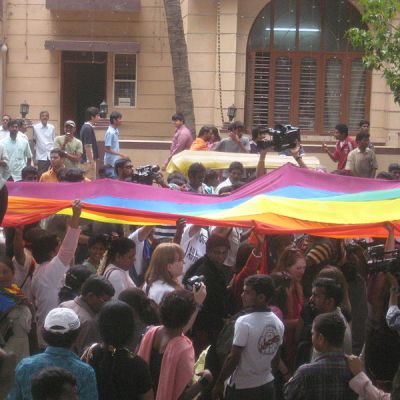
Sexuality: What Does It Mean To Be Human?
Sexual rights include the right to express one’s sexuality freely, without discrimination on the grounds of sexual orientation, and to have access to provisions in the legal framework that are all-inclusive and offer protection whenever the need arises.
By Sanya Talwar
December 2, 2019
When Pleasure And Pain Are Confused With Basic Rights
Though I come from a very conservative family, being open about female masturbation and watching porn didn’t seem to bother me. Yes, people have oohed and aahed at me for being so. I am still the same, proudly.
By Micky Nair
December 2, 2019
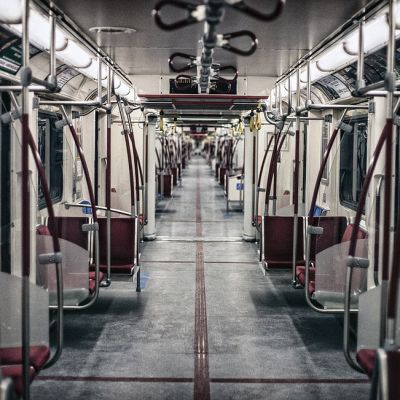
Transgressions And Public Displays: Chronicles Of A Metrocommuter
As a young woman, I feel powerless to do much more than get disturbed by this issue, write about it and talk about it with as many people as I can, with the hope that more of us will get disturbed by it and become more accepting of diverse expressions of gender and sexuality.
By Shivangi Gupta
December 2, 2019