SRHR


Not Delulu but Doable: The Ecosystem Giving us Hope for CSE in India
There are individuals, collectives and organisations that are doing their best to create an ecosystem that supports the education of children on gender, sexuality, health, consent, safety, relationships, self-esteem and confidence in themselves.
By Vani Viswanathan
December 16, 2025
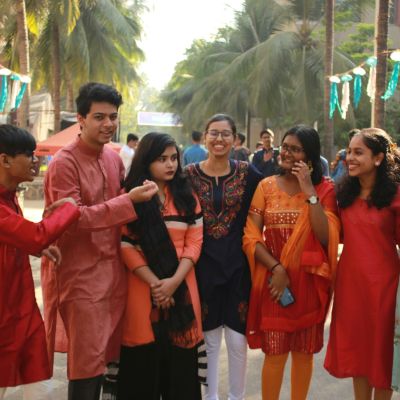
समावेशी मित्रता और स्वीकृति – हमारी यौनिक पहचान का सहारा
सबसे ख़ूबसूरत बात यह है कि समावेशी दोस्ती समाज में भी बदलाव लाती है। जब दोस्त एक-दूसरे को बिना भेदभाव अपनाते हैं, तो यह उदाहरण बनता है और धीरे-धीरे एक ऐसी संस्कृति का निर्माण होता है जहाँ विविधता को सम्मान और स्वीकार्यता मिलती है।
By Imran Khan
October 15, 2025
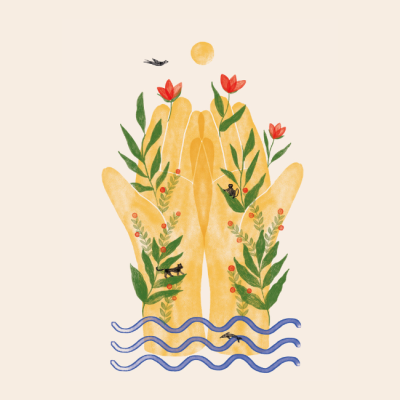
Editorial– Climate Change and Sexuality
Climate change is not only about the climate; it is about our lives, joys, connections, intimacies, pleasures, freedoms, and rights.
By TARSHI
September 18, 2025
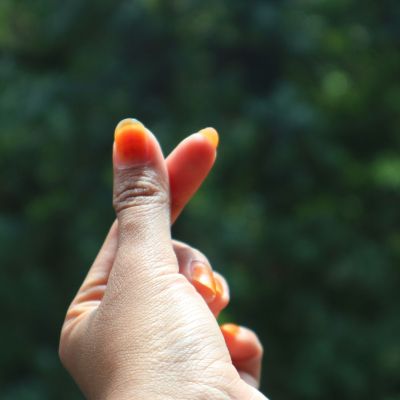
The Language of the Eyes – Speaking Through Signs
Because we also understand and acknowledge the power of a single step forward, we decided to deep dive into working with sign languages for people who are deaf or hard of hearing and including them in the safe abortion rights dialogues.
By Nandini Mazumder, Ayesha Bashir and Suchitra Dalvie
June 17, 2025
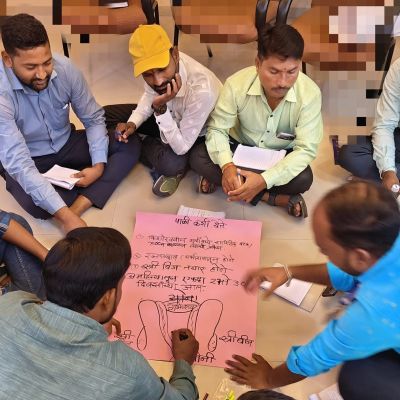
From Compliance to Critique: Localising Masculinity Work Through Feminist Praxis
…we must also address men’s relationships with their spouses, other men, women and children in the community, and importantly, their own emotional selves to transform fatherhood. Therefore, engaging with men as fathers must involve a holistic understanding of their socialisation, emotional world, and position within patriarchal structures.
By Anand Pawar
यौन एवं प्रजनन स्वास्थ्य अधिकारों का उल्लंघन (SRHR) – जो महिलायें विकलांगता के साथ जी रहीं हैं, वे कहाँ हैं?
विकलांगता के साथ जी रहीं महिलाओं (Women with Disabilities/WWD) को यौन और प्रजनन संबंधी स्वास्थ्य देखभाल और अधिकारों पर ज़रूरी बाचीत
By Smruti
Questions I want to ask!
If you’ve got a body, in which you’re going to negotiate this life, you have to know how it works.
By Suchitra Dalvie
June 18, 2024
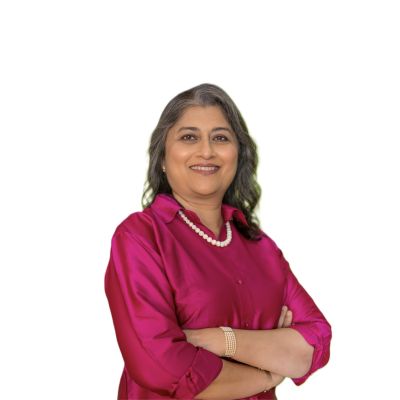
Interview – Suchitra Dalvie
Getting to know who I really am has been a game changer. Prejudice, anger, control and violence all emerge from fear.
By Shikha Aleya
May 16, 2024
Centring the Margins: Sex workers continue to battle for identity, entitlements and dignity after COVID-19
Ensuring the protection of sex workers’ physical and emotional wellbeing, as well as safeguarding their rights to life, profession, labour freedom, health, and reproductive and sexual rights is fundamental within a constitutional democratic society.
By Kuhika and Meher
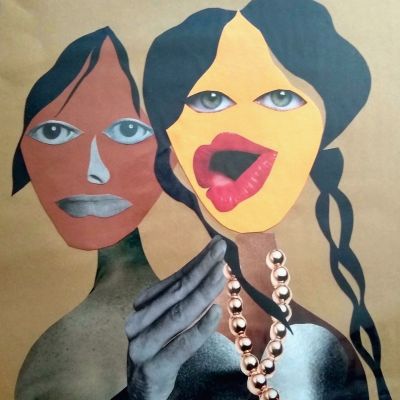
Hello?! Every Body in the R(/Z)oom?
Now, what you need is a good enough smartphone and sufficient data – these are the real “superstar” in the love affair between Big Tech and CSE.
By Gunjan Sharma
December 18, 2023
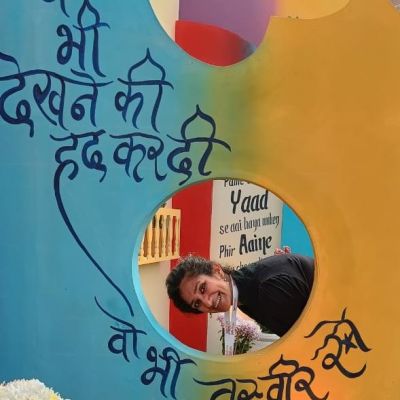
हलके में (मत) लेना
व्यंग छुपी हुई हंसी को बाहर लाने का अवसर देता है। प्रतिभागी जो आज तक इन मुद्दों को गंदा, कलंकित या महत्वहीन मान कर छुपा रहे हैं अब कम से कम उनपर हंस सकते हैं।
By Gunjan Sharma
May 4, 2023
Nightmares of Being Chased by an Angry Mob
My foray of offering support in both the fields of sexual wellness and mental health was unplanned to say the…
By Pooja Priyamvada
September 1, 2022
Interview: Shruti Arora
There may already be another organisation in the community to share resources with but for community-led initiatives, a shared perspective on Safe, Inclusive, Sexuality-Affirming (SISA) spaces is also important. Sometimes when the shared perspective is not there, that becomes a challenge.
By Shikha Aleya
January 3, 2022
Editorial: Disability and Sexuality
Both sexuality and disability are complex terrains, offering a realm of possibilities that are often made unnecessarily complicated and unattainable by the mental maps we draw of them and the artificial barriers we erect.
By TARSHI
August 16, 2021
Interview – Srinidhi Raghavan
Disabled people might not have many spaces where they can speak openly about their sexual experiences or even sexual curiosity. There is a heavy monitoring of disabled young people especially, and this can mean that exploration, which is often how many of us discover sexuality, can be limited. Moreover, since the experiences of disabled people are not seen in popular media such as films, we can (and probably do) imagine we will have the same or similar experiences as non-disabled people – which is often not possible.
By Shikha Aleya
August 2, 2021