SISA spaces

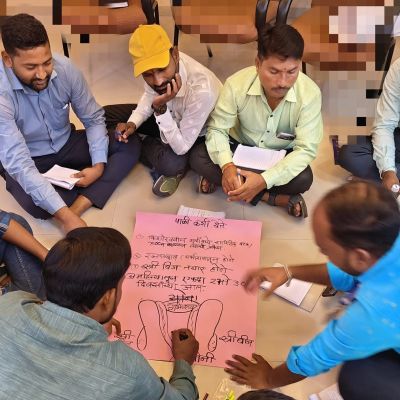
From Compliance to Critique: Localising Masculinity Work Through Feminist Praxis
…we must also address men’s relationships with their spouses, other men, women and children in the community, and importantly, their own emotional selves to transform fatherhood. Therefore, engaging with men as fathers must involve a holistic understanding of their socialisation, emotional world, and position within patriarchal structures.
By Anand Pawar

#MardonWaliBaat – The Journey between ‘Listening’ and ‘Being Heard’
In the fast-paced digital world of clickbaits and instant gratification, where you can be ‘cancelled’ or ‘trending’ within the same minute, the very act of men talking to other men about alternative masculinities, has the ability to disrupt hierarchies of power, to disrupt the algorithm, to disrupt patriarchy.
By Mariyam Sara and Nida Ansari
How Masculine Am I?
I have dealt with having a non-masculine body since the time I was a teenager. I have questioned my sexuality and how it interacted with my non-masculine body.
By Asim Mudgal
May 19, 2025

Not Quite Anything
He didn’t wear his identity on his sleeve, and therefore he seemed more real than most people who did.
By Taarina Therese Chandiramani
May 19, 2025
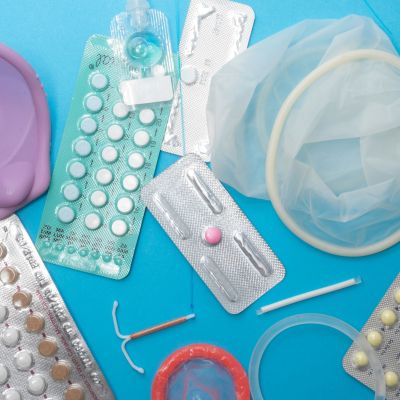
मर्दानगी को पोषित करती मान्यताएं
किशोरावस्था के दौरान जब हम अपनी यौनिकता से रूबरू हो रहे होते हैं, तब सामाजिक तौर पर हमे बताया गया जेंडर ही निर्धारित करता है कि हम अपनी पहचान कैसे बना रहे हैं जो ज़्यादातर मामलों में हमारी पूरी ज़िन्दगी को प्रभावित करती है।
By Naresh Kumar
May 19, 2025

दो कविताएँ
दो कविताएं – हवेली आधुनिकता के आवरण में क्षयग्रस्त पारंपरिक पुरुषत्व को दर्शाती है, जबकि चारपाई कठोर और लचीली अभिव्यक्तियों के बीच विरोधाभास प्रस्तुत करती है, जहां जो जिस चारपाई पर बैठते हैं, उसके गुणों को अपनाते हैं, जो भिन्न-भिन्न पुरुषवादी पहचानों का प्रतीक है।
By Sakshi Nain Bishnoi
May 19, 2025
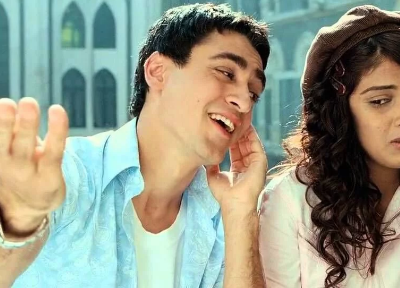
क्या यही एक आदमी को उसके सर्वश्रेष्ठ रूप में परिभाषित करता है
पितृसत्तात्मक समाज में, पुरुषत्व एक विशेष प्रकार के व्यवहार के रूप में प्रकट होता है, जैसे नियंत्रण करना और हावी होना, अक्सर हिंसक तरीकों से।
By Saswati Chatterjee and Pauline Gomes

The Hollowness of (Performed) Masculinity
Men perform an identity that they don’t fully understand. The pressure to appear strong while feeling the full range of emotions that they cannot express creates a hollow inside, creates a quiet dissonance, a loneliness that is rarely spoken of but deeply felt.
By Shaifila Ladhani
April 17, 2025
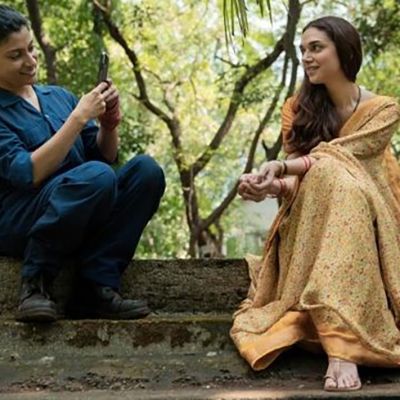
The Villainised Other: Understanding Portrayals of Female Masculinity in Bollywood
Apart from the masculinity portrayed in commercial films with heterosexual tropes, Bollywood has produced movies portraying distorted female masculinity.
By Soumili Paul and Tiyasha Purohit

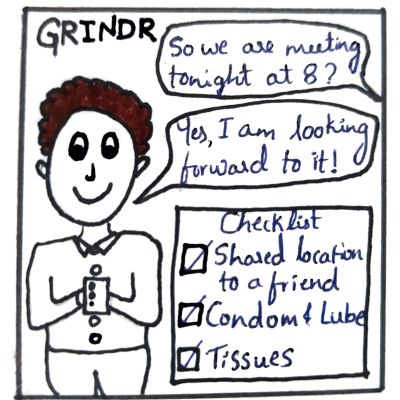
Out For Fun, In For Trouble
Social media and dating platforms provide new opportunities for connection, but they also elevate the potential risk of harm associated with any online engagement. The anonymity of the interaction can serve both as a source of freedom and potential exploitation.
By Namrata Dond and Vanshika Negi
April 17, 2025
The Masques Of Masculinity
Z is forced to wear the mask of masculinity, a mask made of the various tropes of stereotypical masculine energy…
By Hardik Jain and Shrusti Mulgund
April 17, 2025

Lootera: The Thief Who Stole My Heart
It is rare to show with such simplicity and depth, the undoing of a robber as he falls in love with the subject of his robbery. Lootera reinforces the belief in love’s gentleness which can disarm all the trappings of normative masculinity that society commands.
By Pronita Tripathi
April 17, 2025
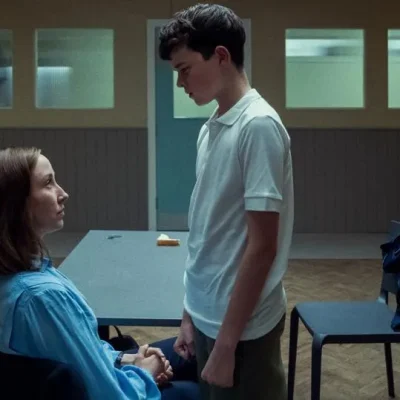
Masculinity and Media Literacy – Netflix’s Adolescence
Adolescence manages to highlight the reality of growing up in a world with the Internet where everything – the good, the bad, the questionable – is only a touch away.
By Ambica Naithani
April 17, 2025
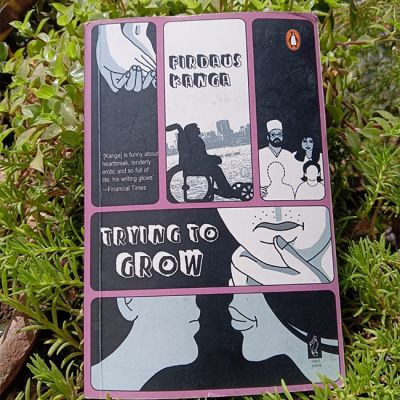
To Exist is to Defy
The novel turns the idea of masculinity on its head through the story of Brit, a boy who is as sharp as he is fragile. Born with osteogenesis imperfecta, Brit’s bones break easily, but his spirit doesn’t.
By Abhigya Singh
April 17, 2025

मर्दानगी पर पुनर्विचार – प्रभुत्व से नहीं, साझेदारी से बनता है मर्द
पितृसत्ता ने मर्दानगी को विषमलैंगिकता और यौनिक वर्चस्व से जोड़ा है, जिससे पुरुषों पर ‘सच्चा मर्द’ बनने का दबाव बढ़ता है। यह न केवल समलैंगिक और द्विलैंगिक पुरुषों को हाशिए पर डालता है, बल्कि विषमलैंगिक पुरुषों के लिए भी यौनिक अभिव्यक्ति को सीमित करता है।
By Imran Khan