sexual and reproductive health and rights

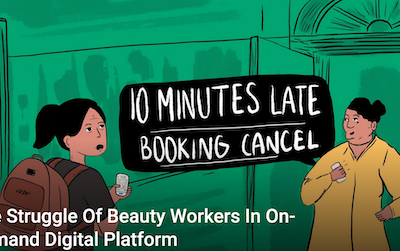
The Struggle Of Beauty Workers In On-Demand Digital Platform
If you live in an urban metropolitan city, you must have seen women dressed up in company uniform, carrying a heavy bag on their shoulders, their attire shouting a brand name with logos all over her. Their bodies become an advertising ground for a company’s marketing. Sometimes, the bag is a portable salon that they carry to their client’s (home), who book the beauty service using a mobile application. These ‘workers’ enroll themselves on the platform company that operates as an intermediary, to get bookings on-demand.
By Feminism in India

Musings of a Sexuality Educator
To be a support system is to be a safe space for them where they can reflect upon, experiment with and understand themselves. A space where people not only come to terms with their individual selves, sexual or otherwise, but also where they become increasingly aware of their own rights.
By Anannya Chatterjee
November 2, 2020
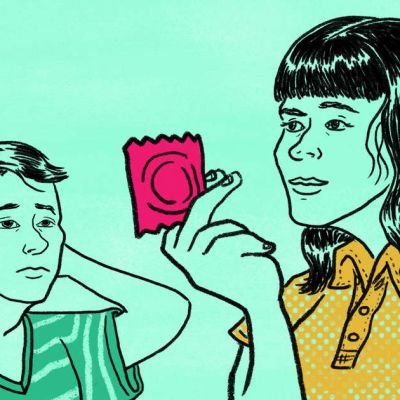
We Need To Talk About Unsafe Sex And Our Dilemmas Around Using Contraception
The scope for unsafe sex, as discussed earlier, extends to STIs and STDs and therefore, the feeling of ‘un-safety’ during sexual intercourse must expand itself to actively include infections as an equally important factor for using contraceptives, as are unwanted pregnancies.
By Feminism in India
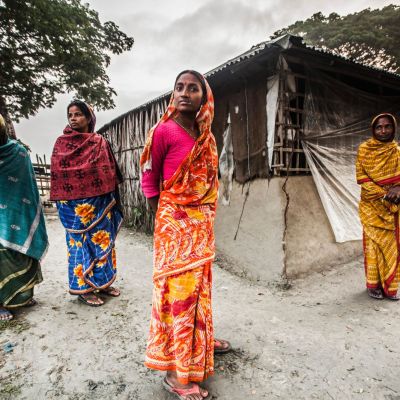
Climate change exacerbates gender inequality, putting women’s health at risk
Reasons why SRHR is not prioritised—but should be—in climate change policies, strategies, financing, and programmes are because women’s contribution and roles as agents of change are often disregarded due to gender inequality.
By Curated Content
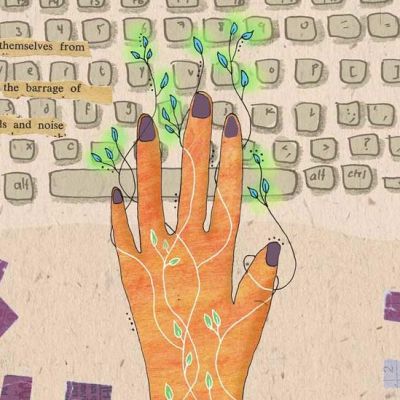
“I HAVE READ AND AGREE TO THE TERMS AND CONDITIONS”: INFORMED CONSENT IN THE AGE OF SOCIAL MEDIA
Ethical considerations and frameworks for traditional (for the lack of a better term) have had decades of debates, discussions, and revisions to have Boards of Review with similar ethics regulations (although they are still being critiqued).
By Curated Content
PRIVATE PARTS: OBSCENITY AND CENSORSHIP IN THE DIGITAL AGE
Around the world, LGBTQ+ activists, queer ‘sex-positive’ feminists, sex-workers, artists and educators are leading the charge against the increasingly complex webs of regulation and censorship of sexuality online, where corporate policies intersect with restrictive state law.
By Curated Content
September 15, 2020