sexual and reproductive health and rights

How would it be if we grew up embracing sexuality?
Growing up is a tedious task in our society because of the institutionalised practices, societal constructs and boxed identities and expressions that we are expected to adhere to. Anything beyond these implies harm, danger, and deviance.
By Sreejani
January 16, 2026

Not Delulu but Doable: The Ecosystem Giving us Hope for CSE in India
There are individuals, collectives and organisations that are doing their best to create an ecosystem that supports the education of children on gender, sexuality, health, consent, safety, relationships, self-esteem and confidence in themselves.
By Vani Viswanathan
December 16, 2025

Interview – Dr. Sangeeta Saksena
Lived experience cannot be overlooked. It is the ultimate teacher.
By Shikha Aleya
December 16, 2025

Interview – Anindita Kargupta
Young people make better choices when they understand consequences, boundaries and respect – not when they are kept in the dark.
By Shikha Aleya
December 16, 2025

When Rights Aren’t Enough: Exploring Sexuality Education in India’s National Law Universities
Without explicit attention to desire, intimacy, and emotional negotiation, legal concepts remain abstract rather than practicable.
By Prerna

Ms. Pleasant Gets Stubborn
… spaces led by the desire to not just protect but also educate all who connect with children…
By Reema Ahmad
December 16, 2025
When Communities Fight Back – Climate Tech for Sexual Rights
… technology, when designed with love and local wisdom, can transform both climate adaptation and sexual health outcomes.
By Lakshmi Pillai Gupta
September 18, 2025
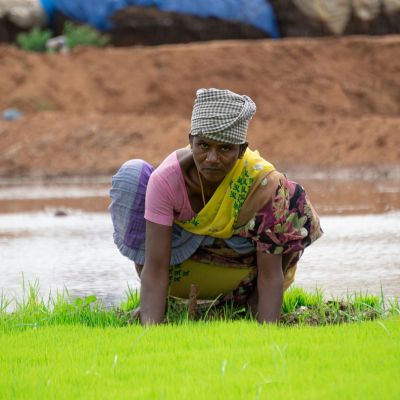
Climate Change – Who gets hit the hardest?
Climate change is having effects on health and, more specifically, sexual and reproductive health needs and services for women and marginalised populations.
By Renuka Motihar
September 18, 2025
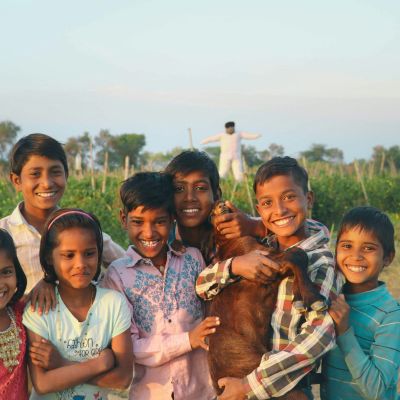
Challenging Gender Norms, Strengthening Resilience in Crisis
What other stories are waiting to be told? How can we encourage more families to stand together, share chores, and make safe spaces where everyone feels respected and valued?
By Urasmita Ghosh
September 18, 2025
महामारी, आत्म-देखभाल, और सामूहिक देखभाल – ‘तारशी’ के अनुभव
हमारा मानसिक स्वास्थ्य सिर्फ़ हमारी इकलौती ज़िम्मेदारी नहीं है बल्कि उन संस्थाओं और व्यवस्थाओं की भी ज़िम्मेदारी है जिनका हम हिस्सा हैं। इसलिए हमारी सेहत और ख़ुशहाली बनाए रखने के लिए इनका योगदान ज़रूरी है।
By Vani Viswanathan
April 18, 2024
Editorial: Disability and Sexuality
Both sexuality and disability are complex terrains, offering a realm of possibilities that are often made unnecessarily complicated and unattainable by the mental maps we draw of them and the artificial barriers we erect.
By TARSHI
August 16, 2021
Interview – Srinidhi Raghavan
Disabled people might not have many spaces where they can speak openly about their sexual experiences or even sexual curiosity. There is a heavy monitoring of disabled young people especially, and this can mean that exploration, which is often how many of us discover sexuality, can be limited. Moreover, since the experiences of disabled people are not seen in popular media such as films, we can (and probably do) imagine we will have the same or similar experiences as non-disabled people – which is often not possible.
By Shikha Aleya
August 2, 2021
Camouflage
I cannot let anyone see the stretch marks, the cellulite, the saggy breasts. I cannot reveal my hideous body. I feel anxiety well up inside me even as I visualise this eventuality. I read about ten ways for a fat person to have meaningful sex. I learn that throwing a cloth over the bedside lamp will help hide my flaws.
By Sharada Vinod
August 2, 2021
Violation of Sexual and Reproductive Health Rights (SRHR): Where are the Women With Disabilities?
What vindicates the argument that women with disabilities (WWDs) should be deprived of sexual and reproductive healthcare and rights is scary. Harmful stereotypes of WWDs include the belief that they are hypersexual, incapable, irrational and lacking control. These narratives are then often used to build other perceptions such as that WWDs are inherently vulnerable and should be ‘protected from sexual attack’.
By Smruti
Despite all odds
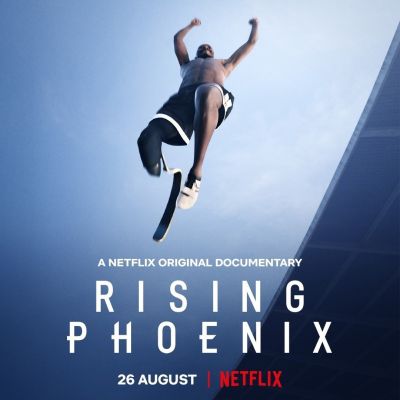
In the spirit of the Games, I watched the Netflix film Rising Phoenix which documents the history of the Paralympics and its impact on the world in making visible the topic of disability. It also tracks the personal and professional journey of some of the top Paralympic athletes who share their challenges, frustrations and motivations.
By ElsaMarie D'Silva
August 2, 2021