love

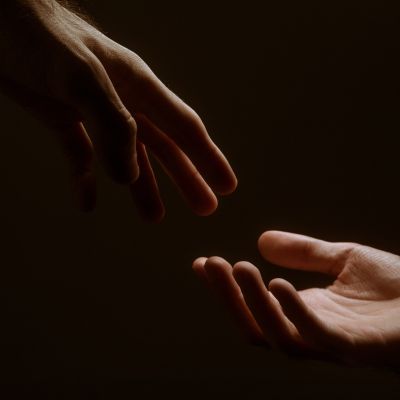
Three Poems: ‘Untitled’, ‘Alchemy’ & ‘Third date’
He said ‘tender’ today/in such a way/I thought/I’d definitely like him saying/dirty things to me
By Carol D'Souza
February 1, 2022
Conceptualising Love on the Aromantic Spectrum
I now feel comfortable entertaining the thought that my ease with my selfhood does not necessarily have to be threatened by the possibility of love in coupledom. Indeed, comfort with one’s self can actually evolve into healthier forms of love towards the other(s).
By Shivani Rajan
February 1, 2022
Video: Alternatives to a Standard Relationship
Is a monogamous long-term romantic relationship the only kind of relationship available to us? This School of Life video explores alternative modes of relationships through “The Menu of Love” and prods us to rethink the notion of monogamous romantic love and coupledom.
By Curated Content
February 1, 2022
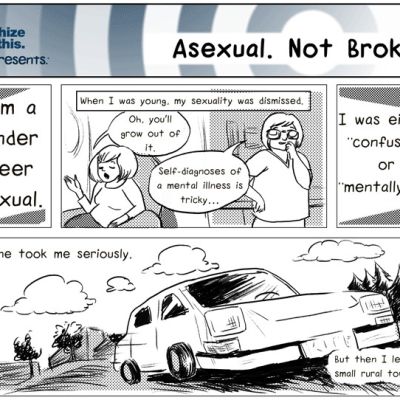
Brushstrokes: Why Being Asexual Doesn’t Mean I’m ‘Broken’
There are a lot of prejudices and misconceptions about asexual people. This comic on Everyday Feminism sensitises us to asexuality through a deeply felt real-life story of finding love as an asexual person.
By Curated Content
February 1, 2022
Interview: Shruti Arora
There may already be another organisation in the community to share resources with but for community-led initiatives, a shared perspective on Safe, Inclusive, Sexuality-Affirming (SISA) spaces is also important. Sometimes when the shared perspective is not there, that becomes a challenge.
By Shikha Aleya
January 3, 2022
Navigating love, loneliness and singlehood
The desire for intimacy might rob one of the intimacy that one shares with oneself and thus, being with the beloved can leave one feeling even lonelier because of the continuing struggle for validation and comfort.
By Anonymous
January 3, 2022
The Birds and the Bees: On Play and Sexuality
How would we see the world really, if we were open to the idea that it is not purpose but play that drives us to seek companionship, be it an orchid seeking a pollinator or a human seeking another?
By Shweta Krishnan
December 1, 2021
Editorial: Fandom and Sexuality
Members of a fandom are not just passive consumers but active co-creators who imagine and build new worlds around their objects of adoration. Fandom communities offer fans the freedom of being able to imagine, create and share all sorts of scenarios, including romantic, erotic and sexual ones.
By TARSHI
November 15, 2021
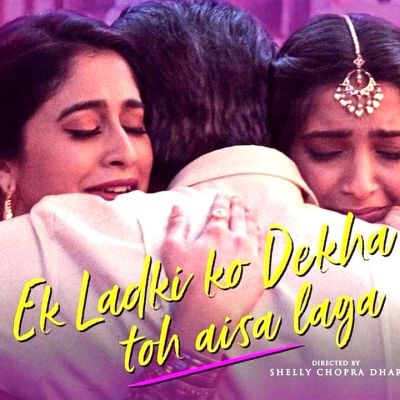
The Queerness of Fandom in Bollywood
People looking for queer plots in Bollywood are sometimes disappointed, as the focus on marriage in many films seems to suggest that Bollywood is a conservative genre invested in sanctifying reproductive heteronormativity.
By Ulka Anjaria
November 1, 2021
Haunted by Shame: The Struggle of Being Rendered Invisible
Where did my body go? This is a question I have asked myself repeatedly over the last two years. My…
By Reva Puri
September 1, 2021
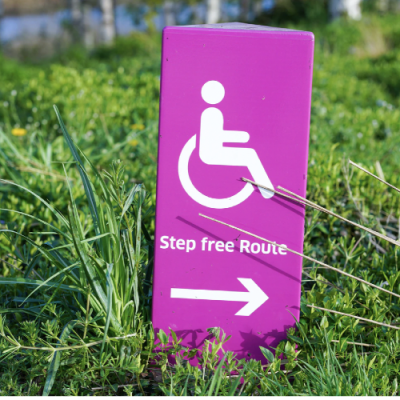
Editorial: Disability and Sexuality
Both sexuality and disability are complex terrains, offering a realm of possibilities that are often made unnecessarily complicated and unattainable by the mental maps we draw of them and the artificial barriers we erect.
By TARSHI
August 16, 2021
Interview – Srinidhi Raghavan
Disabled people might not have many spaces where they can speak openly about their sexual experiences or even sexual curiosity. There is a heavy monitoring of disabled young people especially, and this can mean that exploration, which is often how many of us discover sexuality, can be limited. Moreover, since the experiences of disabled people are not seen in popular media such as films, we can (and probably do) imagine we will have the same or similar experiences as non-disabled people – which is often not possible.
By Shikha Aleya
August 2, 2021
Camouflage
I cannot let anyone see the stretch marks, the cellulite, the saggy breasts. I cannot reveal my hideous body. I feel anxiety well up inside me even as I visualise this eventuality. I read about ten ways for a fat person to have meaningful sex. I learn that throwing a cloth over the bedside lamp will help hide my flaws.
By Sharada Vinod
August 2, 2021
Violation of Sexual and Reproductive Health Rights (SRHR): Where are the Women With Disabilities?
What vindicates the argument that women with disabilities (WWDs) should be deprived of sexual and reproductive healthcare and rights is scary. Harmful stereotypes of WWDs include the belief that they are hypersexual, incapable, irrational and lacking control. These narratives are then often used to build other perceptions such as that WWDs are inherently vulnerable and should be ‘protected from sexual attack’.
By Smruti
Despite all odds
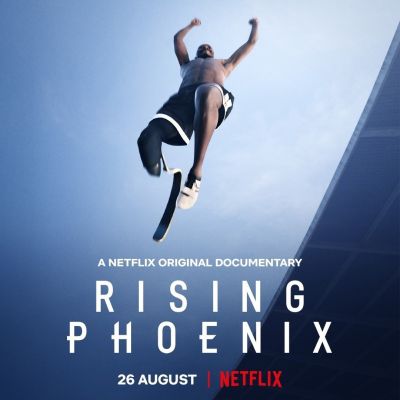
In the spirit of the Games, I watched the Netflix film Rising Phoenix which documents the history of the Paralympics and its impact on the world in making visible the topic of disability. It also tracks the personal and professional journey of some of the top Paralympic athletes who share their challenges, frustrations and motivations.
By ElsaMarie D'Silva
August 2, 2021