love

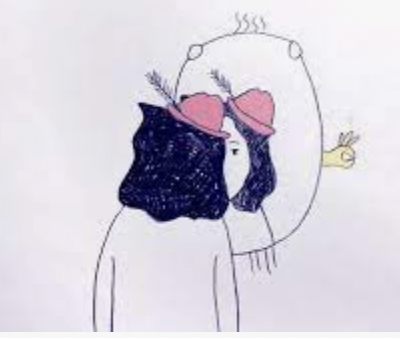
Video: How to be a Friend to Yourself
This thought-provoking, luminously illustrated The School of Life video reminds us of self-compassion being essential to building our own selves up, and being a safe space where we can extend the same love and imagination to our vulnerabilities, insecurities, fears, and doubts as we do to our friends.
By Curated Content
July 5, 2021
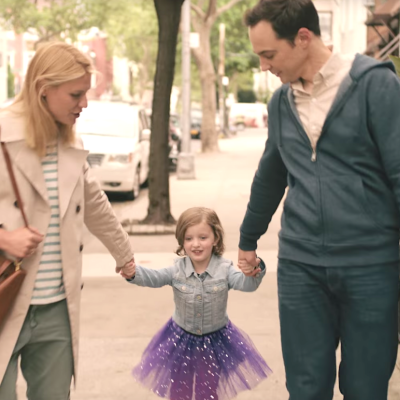
Review: I see you
My friend’s son, too, likes wearing tutus and frilly skirts. Every time they go shopping for clothes, he heads to the girl’s section and picks out the frilliest outfit. At check out, invariably the cashier asks if the pretty outfit is for his sister and he confidently says it is for him. Often he wears these outfits to school. His confidence comes from his mother’s acceptance of him and her understanding of his gender expansiveness. It helps that she is a sociologist, but there is a constant pushback from society including from his peers at school who bully the little boy. But it is the constant support from his mother and family that allows him to remain confident and thrive whilst being different.
By ElsaMarie D'Silva
June 15, 2021
On Sexuality, Representation, and Being a Lonely Brown Girl
I long for much more than a greater representation of brown women. I long for a complete overhaul of the racial, gendered, and economic systems that structure our suffering.
But I also long for representation of all people, including brown women, who are in love, who are loveable, and who are — in the absence of love — lonely.
By Curated Content
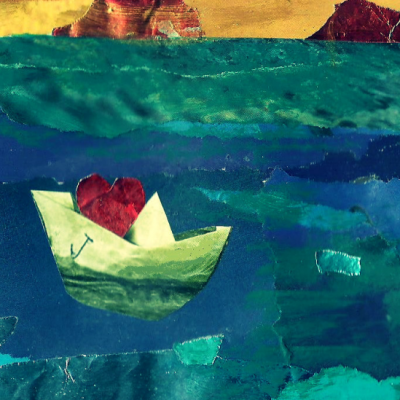
Swipe me left, I’m Dalit
Dalit women are primarily viewed as victims and survivors of various kinds of violence. Reification of the Dalit identity has led to the boxing of our existence whose dimensions are solely defined by the savarna (dominant caste) gaze. Our self-assertions of identity are commodified to create a warped limiting of our lives, creating an image that is voiceless in the minds of our potential suitors. We are not seen as being capable of desire, love or happiness; we don’t exist as individuals outside of violence.
By Curated Content
June 15, 2021
Editorial: Vulnerability and Sexuality
Vulnerability – is it a condition we find ourselves in? A state of being we choose? Let’s keep it very simple: it depends on the approach we take to defining it. In the former approach, we are ‘done to’, while in the latter we are consciously ‘doing’.
By TARSHI
April 19, 2021
Issue in Focus: The Heart of Being
To chase down our own vulnerabilities around sexuality is a short run around the corner, five minutes ago, last night sleeping alone, with a lover, a partner who lost interest, the Insta post that leaves you feeling you’re not good enough for the hug, the kiss, the cuddle and are you perhaps the A of LGBTQIA+?
By Shikha Aleya
April 19, 2021
Should I Say I Love You?
Being vulnerable helps boost our self-esteem and self-worth by pushing us out of our comfort-zone. It provides us with an opportunity to overcome obstacles and reach deep down within ourselves to find strength and confidence to keep going even when the odds are against us.
By Shubham Ranjan
April 19, 2021
Vulnerability and Romantic Relationships: My Struggles Navigating These Spaces
It took me some time to realise how important being vulnerable or, for that matter, being vulnerable during sexual engagement was for me to have great sex and how empowering it is for my sexuality. After much thought, I decided to open up to my partner about my past experiences and other things I never used to openly talk about.
By Grishma Trivedi
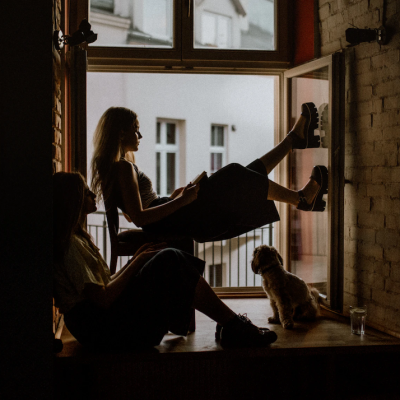
There I sat down and wept
“Be yourself, Sarah. Awkward smiles, empty silences, weird laughter, and all. It’s just a part of being human. Loving someone physically is never not awkward. Even if it’s a monogamous relationship. It’s only the comfort of familiarity that makes you think otherwise.”
By Anna Lynn
April 19, 2021
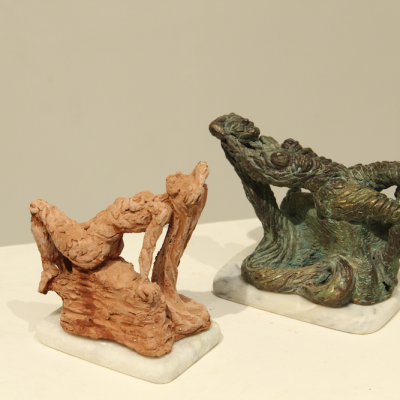
Reclining Vulnerability
Through multiple maquettes, I finally came across (since I myself did not know what the result of the form or figure would be) the Reclining Lady. She represents confident femininity and vulnerability. The feeling one has after taking a bath and sitting in the nude, drying oneself in unabashed nakedness.
By Noella Fernandes
April 19, 2021
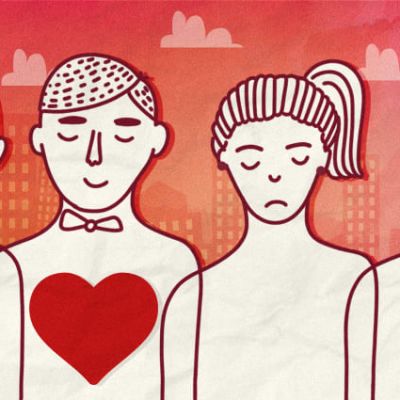
Why Don’t Indian Families Say “I Love You”?
Indian families rarely say “I love you” to each other. Maybe it is an extension of the fact that parents are awkward while displaying any sign of affection to each other around their kids or elders.
By Curated Content
April 19, 2021

Interview – Indu Harikumar
I was watching something recently that said it was a bad thing to be vulnerable, but I don’t think it is a bad thing. I do see that there is a certain amount of power in vulnerability, it also needs courage, in my experience.
By Shikha Aleya
April 5, 2021
Unboxing Our Darkness: Vulnerability and Transformative Justice
When we are in tune with our authentic thoughts and feelings, vulnerability can be a guide-post in traversing through life, allowing us to forge deep and meaningful connections where we can hold space to mess up and get back on our feet again.
By Anjali
Communication: A Path to Vulnerability
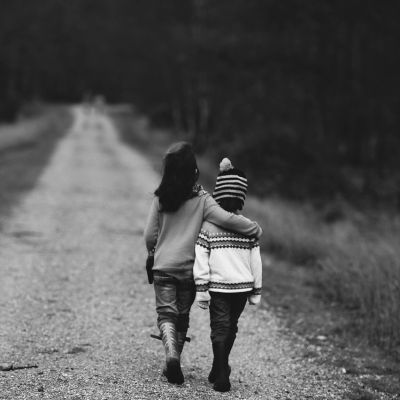
We must all care for ourselves and be discerning about when and where and with whom we show our cards…but those who can hold our emotional and sexual vulnerability are out there, and we can find them and be all of who we are.
By Shilpa Sachdeva
April 5, 2021
STAY SINGLE. STAY SAFE.
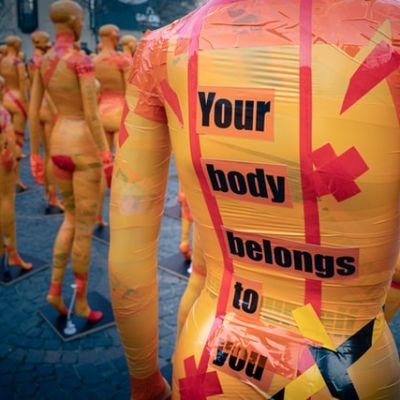
The largest contingent of voiceless, lonely women with limited agency in the subcontinent must be its married women. If they’re fortunate enough to be born and reach adulthood, a woman’s parents and society make sure she becomes an adult brainwashed into self-alienation and self-loathing.
By Nighat Gandhi
April 5, 2021