LGBTQIA


Trans Act 2019: The continued misunderstandings about transgender as a gender category
The data continues to misrepresent the realities of transgender persons, reiterating the existing confusion about transgender individuals.
By Brindaalakshmi K
Fragile Facts and Fearless Feelings
That little baby born in spring,
Shall “he” identify as Queer?
Regardless, Polaris feels queer!
By Khawahish
November 19, 2024

कैसा होगा अगर हम यौनिकता को अपनाते हुए बड़े हों?
अपनी परिभाषा, अर्थ और लांछन के आस-पास की अस्पष्टता के कारण यौनिकता एक अछूता, अनदेखा, और मनाही का क्षेत्र बना हुआ है।
By Sreejani
November 19, 2024
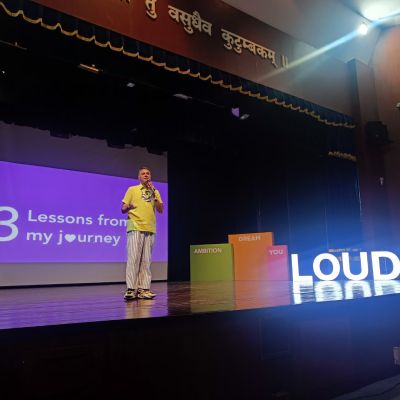
Interview – Parmesh Shahani
The larger question is, who gets to bring all of themselves to the workplace, and who is either not allowed, or feels scared, or is bullied for doing so?
By Shikha Aleya
September 18, 2024

एकल जीवन की सराहना
Growing up, for me, has been about accepting that the loneliness and sadness woven into the fabric of my being do not go away with entering conventional arrangements like monogamous relationships or marriage.
By Siddhi Pandey
August 20, 2024
राख से सोना बनाना – कैसे मध्यम आयु वर्ग की महिलाएं यौनिकता और आध्यात्मिकता का जश्न मनाती हैं
The most satisfying spiritual and sexual experiences I’ve had were not in my twenties, thirties or even forties. They have been in my 50’s. The most insightful spiritual insights, and the most orgasmic orgasms have both arrived in middle age.
By Nighat Gandhi

अपना और दूसरो का ख़्याल रखना
मां बनने के बाद से आत्म-देखभाल पर मेरे नज़रिये में बहुत बदलाव आया है। एक अभिभावक की भूमिका निभाते हुए और उसकी चुनौतियों का सामना करते हुए अपना ख़्याल कैसे रखा जा सकता है?
By Deepa Ranganathan
May 16, 2024
महामारी, आत्म-देखभाल, और सामूहिक देखभाल – ‘तारशी’ के अनुभव
हमारा मानसिक स्वास्थ्य सिर्फ़ हमारी इकलौती ज़िम्मेदारी नहीं है बल्कि उन संस्थाओं और व्यवस्थाओं की भी ज़िम्मेदारी है जिनका हम हिस्सा हैं। इसलिए हमारी सेहत और ख़ुशहाली बनाए रखने के लिए इनका योगदान ज़रूरी है।
By Vani Viswanathan
April 18, 2024
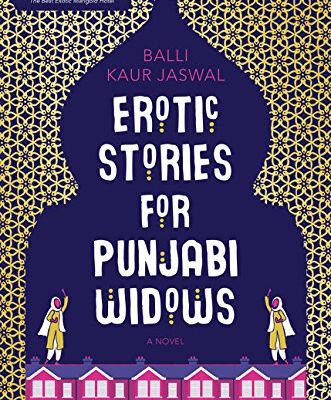
पुस्तक आलोचना – एरॉटिक स्टोरीज़ फ़ॉर पंजाबी विडोज़
उनकी सेक्सी कहानियों में आनंद और फैंटसी का चित्रण पूरी तरह औरतों की इच्छाओं पर केंद्रित हैं।
By Sheena D'Lima
February 15, 2024
Friendships, or, That in which we decouple coupledom from the economies of marriage
I was not simply stuck within the binaries of “same-sex” or “opposite sex,” assuming that any reference to “same-sex” is in itself already revolutionary. But the call to recognise friendship, is a call to recognise so many forms of community that are made invisible by the emphasis within a liberal or conservative framework on “marriage” as the only path to family making.
By Shweta Krishnan

For the Joy of It
Of course, I knew I wasn’t the only person in the world writing about Sherlock Holmes. I, however, thought I was the only one in the world writing about them like that. You know.
Romantically.
By Saswati
January 11, 2024
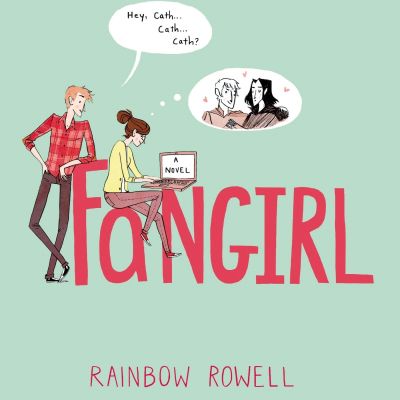
Rainbow Rowell’s ‘Fangirl’, and Everything it Gets Wrong About Fandom
With the shifting nature of perceptions around fandom, the discourse around Rainbow Rowell’s Fangirl has witnessed an interesting shift. While earlier, the book found almost unanimous acceptance, in recent times, it has completely faded into irrelevance.
By Rohini Banerjee
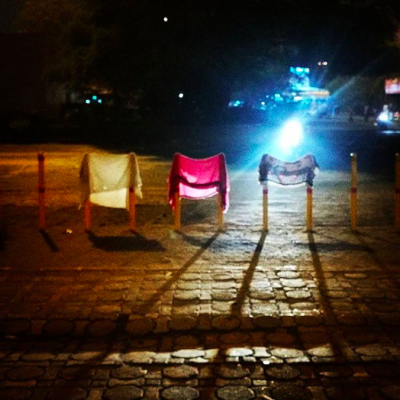
The Last Local To Vashi
I gave myself the freedom to choose. And I chose to re-examine my assumptions. Maybe it was possible to ask strange men for directions without being afraid of seeming vulnerable. Maybe I could plan my outfit without bothering about the fact that I would be travelling on public transport.
By Tanvi Khemani
January 11, 2024
A ‘Peoples Self-Care’ In-the-Making: Perspectives on the Multiple Possibilities of Existence and Care
But self-care is not a clean and happy procedure, it is not definitively achievable when systematically explored. To understand the scope of self-care we need to see the ‘dark side’ of the landscape, and destroy the versions of self-care that denounce our plurality. In this fight, the only outcome can be a recognition of experiences beyond the wellness narrative structured around the neoliberal agenda. This article is an attempt at foregrounding some aspects of self-care that decentralise the prevalent commodification of it.
By Rukmini Banerjee
Sport and LGBTQ+ rights – a fantasy?
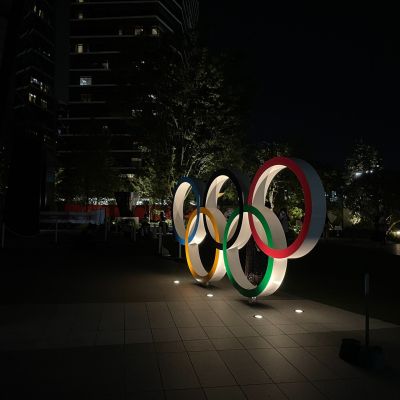
The spotlight that the world’s biggest sporting event (arguably) has along with the inherent gender and sexuality bias in sport come together in how sportspersons and athletes are both perceived and perceive themselves in mainstream and social media.
By Tanya Kini
April 6, 2023