Gender

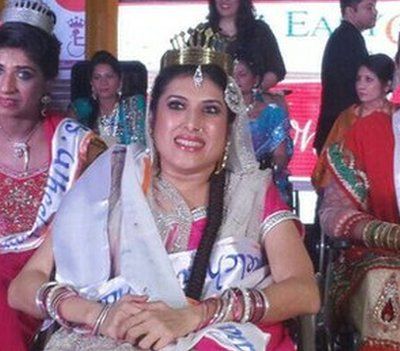
गतिशीलता और यौनिकता – आम मान्यताएँ और उनको पुनः परिभाषित करना
केवल एक तरह से जीवन जीने, या अपनी यौनिकता को अनुभव करने से अधिक और भी बहुत कुछ होता है। इसके लिए ज़रूरी है कि पहले तो हम अपने मन में इसे स्वीकार करें और इसके लिए तैयार हों।
By Shikha Aleya
August 13, 2019
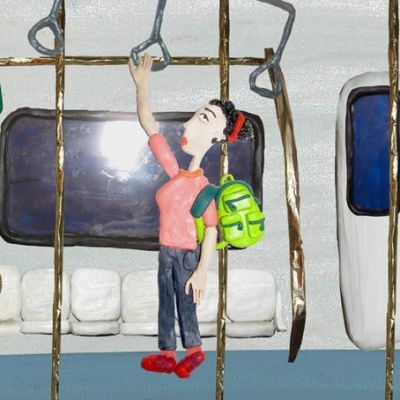
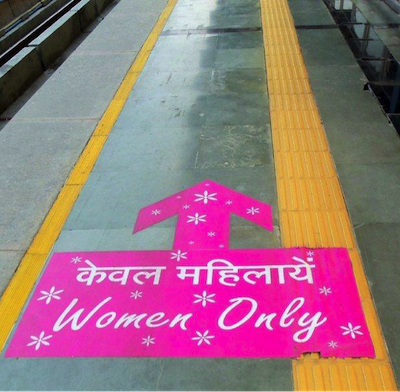
Thoughts While Reclaiming The Ladies’ Seat In Metro: Space, Accessibility, and Entitlement
I said “excuse me”, walked past them and then never looked back to see the look on their faces. And then without a thought, I reached the destination and said loud and clear, “Woman’s seat”, which was a gesture to say “give me the seat, because it is a woman’s seat and you are a man sitting on it.”
By Feminism in India

Of Mobility, Ability and Identity
People make assumptions about both mobility and sexuality and quite often reduce them to a few simple, unidimensional concepts. Sexuality is reduced to sex, marriage and the gender binary. Mobility is reduced to ableist concepts of body and capacity, and access to, or the possession of, a vehicle to get from point A to B.
By Shikha Aleya
August 1, 2019
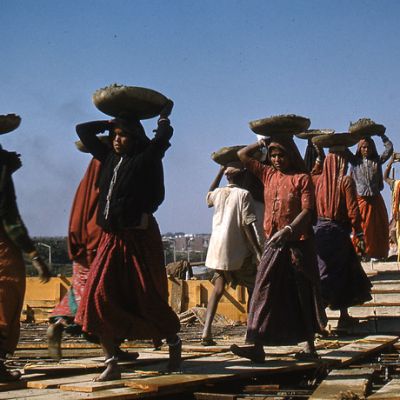
नई राजनीतिक अर्थव्यवस्था में प्रवास, जेंडर और पहचान
आज के समय में जब विश्व में एक स्थान से दूसरे स्थान पर जाने की घटनाएँ बढ़ी हैं और सामाजिक मान्यताओं में भी बदलाव आया है, ऐसे में केवल विवाह ही, महिलाओं के एक जगह से दूसरी जगह प्रवास करने का एकमात्र कारण नहीं रह गया है।
By Mansi Wadhwa
August 1, 2019
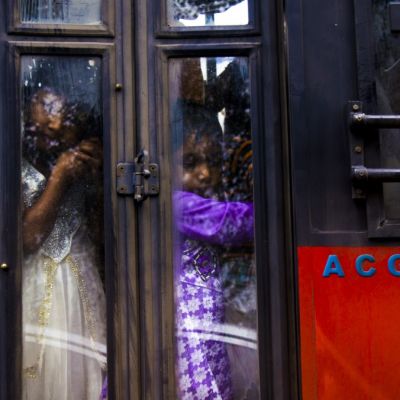
Mobility And The “Missing Women” In The Labour Force
There is a direct correlation between mobility and sexuality. Women’s mobility does get hampered because of both social as well as economic reasons, leading to this contradictory fall in female LFPR despite a growing economy.
By Ritwika Patgiri
August 1, 2019
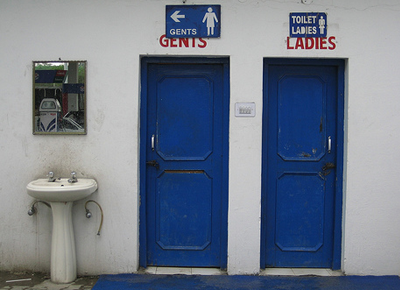
महिला शौचालय और मेरा अनुभव
अलग-अलग शौचालय बनाने के अपने लाभ हैं, विशेषकर जब कि एक जेंडर को दूसरे जेंडर से खतरा महसूस होता हो। लेकिन इस पूरे कृत्य को सामान्य बना देने और इसे जेंडर भेद से दूर करने से संभव है कि महिलाओं को, जहाँ कहीं भी वे हों, प्रयोग के लिए आसानी से शौचालय उपलब्ध हो सकें।
By Shweta Krishnan
August 1, 2019
Editorial: Diversity and Sexuality
In our mid-month issue, we have the second part of the Shikha Aleya’s interview with six different people talking about aspects of sexuality and diversity from their own particular space of personal knowledge, as well as work, advocacy, art and activism across diverse fields.
By TARSHI
May 15, 2019
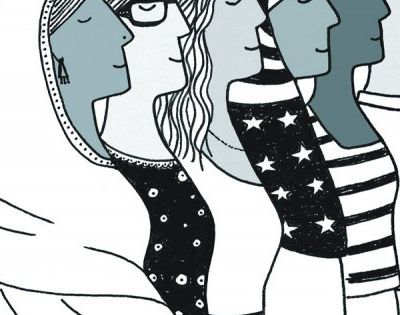
How I Found Inclusivity Within Feminism
I was focused on becoming the ‘perfect’ feminist, based on the stipulations of mainstream feminism. The result: a deeply narrow conception of feminism,and it would take years to unlearn the ‘black-and-white’ mentality and embrace intersectionality.
By Feminism in India
May 15, 2019

Issue in Focus: Desire and the Discourse on Difference
Diversity, I think, can be a deceptive word. On the surface it carries the promise of plurality and multiple possibilities. Yet, it is deployed in ways that simply reinscribe normative two-gender stereotypes and heteronormativity.
By Shweta Krishnan
The Union of Our Inner Masculine and Inner Feminine
Feminine energy is supposed to be yin, receptive, gentle, intuitive,and fulfilling. Masculine energy is supposed to be yang, active, fast, fierce, emptying, goal-oriented and focused.
By Pallavi Barnwal
Where Do I Go?
As renowned queer scholar Judith Butler said, “For those who are still looking to become possible, possibility is a necessity.” This is essential but also easier said than done.
By Smita Vanniyar
April 1, 2019

Brushtrokes: Representation in Comics
Comicbooks sell us the fantasy of larger-than-life superheroes, the victory of good over evil, the promise of fighting for a better, inclusive world. But alas, when it comes to the characters themselves, this very inclusivity is often nowhere to be found.
By Curated Content
December 3, 2018

Outlander: A Review
Time and time again, Galbaldon asks us, through the character of Claire, to remember that we are travelers, we move and are moved by the interactions and environments around us.
By Dana Burton
September 17, 2018
‘Don’t They Realise We are Human?’: The Uneasy Alliance Between Fashion and Feminism
“Historically, feminism and fashion have been pitted against one another,” writes Manjima Bhattacharjya in her book, Mannequin. It’s a dilemma the fashion industry has struggled with for decades – being perceived as flippant, or existing in a vacuum”
By Curated Content

The Labor of Expressing Femininity as a Disabled Woman
The nature of the labor that goes into performing femininity is that it’s invisible. Or at least it’s supposed to be. As a culture, we expect women to look glossy and shimmery and smooth. We don’t want to know about the time and money that goes into this presentation.
By Curated Content
September 17, 2018