Feminism

The Complex Tapestry of Fashion: Identity, Expression, and Feminism in a Women’s College
While women’s colleges are certainly a step ahead of other institutions in creating spaces of liberation and encouraging freedom of choice, this rare advantage must expand itself onto the landscape of our entire country.
By Devanshi Panda
How Not To Do Body Positivity Fashion
For women like me, there is an enormous lack of options in addition to the market that relegates us to a corner of ‘plus-size brands’
By Trijita
September 20, 2023
Androgyny is a Quality of the Mind
As clear as I was about my sexuality, I was just as unclear about how I wanted to look and what felt good.
By Debashree
September 20, 2023
Looking outside, seeing inside
I find that my own clothes are all just pieces of a larger archive I’m slowly constructing: an archive of the women I love, a half-hearted attempt at mimicking what I love.
September 20, 2023
To My 21-Year-Old Self
‘Is the future so dark?’ you might ask. I am here to tell you that it is not. As you begin your exploration into the world of queer theory and feminist theory, you will learn that the straightjacket version of sexuality cooked by our families was undercooked.
By Chand
August 25, 2023
Issue in Focus: The Heart of Being
To chase down our own vulnerabilities around sexuality is a short run around the corner, five minutes ago, last night sleeping alone, with a lover, a partner who lost interest, the Insta post that leaves you feeling you’re not good enough for the hug, the kiss, the cuddle and are you perhaps the A of LGBTQIA+?
By Shikha Aleya
January 3, 2023
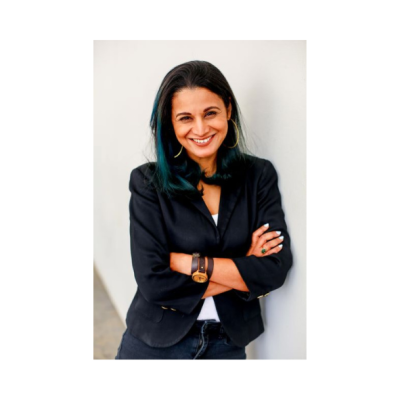
Interview – Srila Roy
“Questions of difference should not be a cause for despair. There are examples from history and our own lives that show how we can connect across difference and stand in solidarity with one another…”
By Shikha Aleya
December 12, 2022
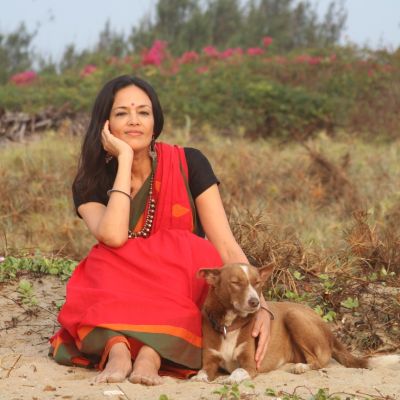
Interview – Tishani Doshi
I’ve essentially thought of movement as a kind of freedom, but one that has the capacity to destabilise you in some way. My most creative moments are when I’m not moving, when I am in fact rooted and still.
By Shikha Aleya
May 3, 2022
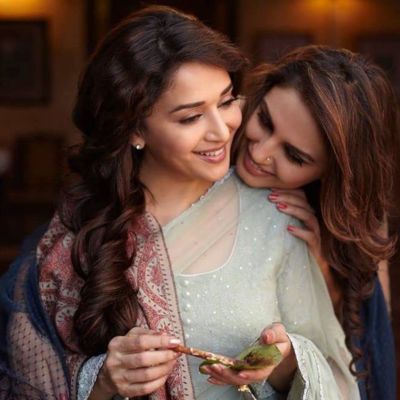
Masculinity, queer representation, and the motifs of movement in ‘Dedh Ishqiya’
The film has all the makings and trimmings of a commercial thriller – a dynamic story, song and dance, an action-packed climax – and at the same time, it is a cinephile’s film.
By Srishti Gupta
Editorial – Celebrating Sexuality
100 issues, 8 years! Thank you, dear readers and contributors! As we planned for this issue to put on our…
By TARSHI
March 15, 2022
The Time Machine – 5 In Plainspeak Articles that Celebrate Sexuality in its Diverse Forms!
The In Plainspeak team decided to time travel and re-discover previously published articles that explore the multiple ways in which people find joy and pleasure in their sexualities.
By TARSHI
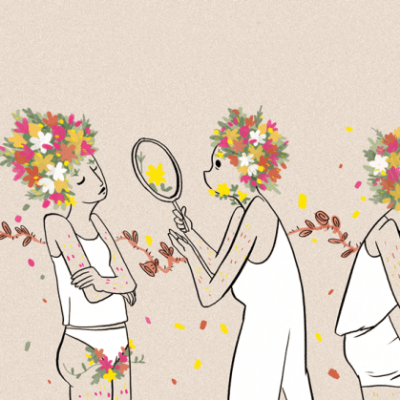
Loving My Dysfunctional Body: Lessons In Self Love After A Decade Of Self-Loathing
My body presented to me the first paradox in my feminism that I would encounter. How could I claim to be a feminist if I was not proud of the body I was born in? My advocacy as a sixth grader seemed to fail when it came to my own self.
By Feminism in India
Of filter coffee, marriage and mixed celebrations of sexuality
Marriage also feels complicated when one approaches it through the lens of feminism. Marriage throws in two people and often their families into a system designed to perpetuate patriarchy, subjugate women, and bind men and women (in heteronormative marriage) into strict roles in the marriage.
By Vani Viswanathan
Editorial – Sexuality and Coupledom
If we are to reimagine coupledom and sexuality, we need to expand and challenge our ideas about togetherness, romance, love, intimacy, desire, sex, attachment, and so on.
By TARSHI
February 15, 2022
एक ‘स्त्रीत्व’ गुणों वाली नारीवादी
एक समय ऐसा था जब मैं भी लड़कियों के लिए बनाई जाने वाली हर चीज़ से सिर्फ इसलिए दूर भागती थी क्योंकि मुझे लगता था कि नारीवादी दिखने के लिए एक खास तरीके से दिखना और व्यवहार करना आवश्यक है।
By Anubha Sarkar
February 1, 2022