Desire

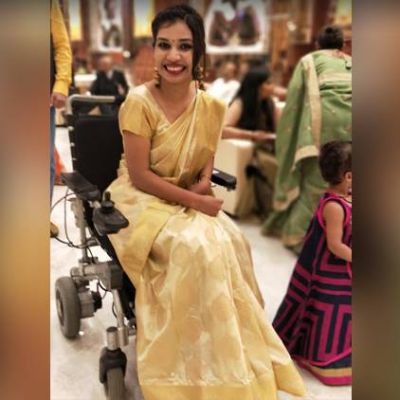
Love, Desire and Disability: The Heart Knows No Handicap
“Disabled people are treated like children,” says Nidhi Goyal, founder director of the NGO Rising Flame, a disability rights activist and comedian. This identification makes the non-disabled — a term Goyal prefers using — feel entitled to decide for them.
By Curated Content
August 14, 2018

Love in May
My birthday is in May, a peak time of summer heat in the Awadh region of Uttar Pradesh. We knew that it was going to be hot, but did not have any idea of how bad it could get.
By Anahita Koshur
August 19, 2025
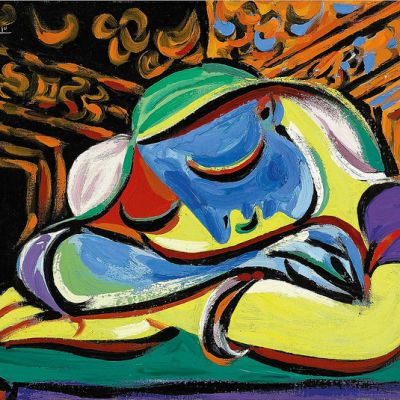
Love Has No Disability
After five months I received a call from Natasha telling me about the content of a WhatsApp chat that Raajveer was having with one of his male teachers. “He is missing his Sir and crying. He is very confused. He sent him roses on chat and reassuring messages saying that he will always be there with his Sir and will never leave him. We are very worried. My husband is not aware of this, and neither do I want to tell him about it. Please help him”, said Natasha over the phone.
By Prachi Srivastava
February 1, 2019

Love belongs to me too
I see people and places,
Couples and crushes
I hear giggles and whispers.
These are the secrets untold to me.
By Gayathri
March 1, 2023

Lost and Found on the Internet: Reimagining Intimacy, Risk and Survival
Maintaining the streak meant maintaining contact
By Niv, Vanshika Gupta, Anjani Chadha
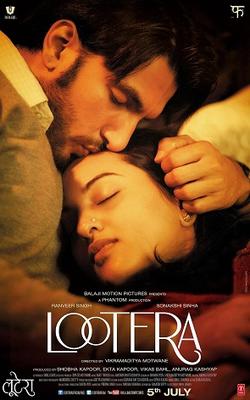
Lootera: The Thief Who Stole My Heart
It is rare to show with such simplicity and depth, the undoing of a robber as he falls in love with the subject of his robbery. Lootera reinforces the belief in love’s gentleness which can disarm all the trappings of normative masculinity that society commands.
By Pronita Tripathi
April 17, 2025

Loitering towards desire
We had gathered to [discuss] digital self-determination for people with disabilities… focusing on its core component: the self. How can I be myself in digital spaces? What gives me more of a sense of self in these spaces? How can design, technology and policy contribute to helping me determine myself in digital spaces?
By Bishakha Datta
February 16, 2023
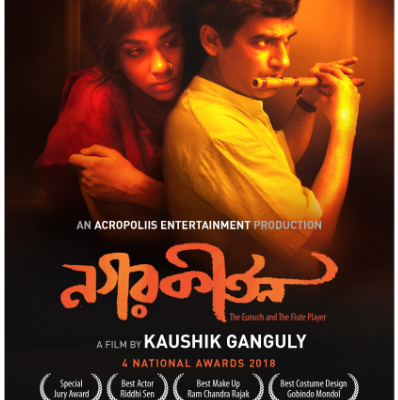
Locating the ‘Nagar’ in ‘Nagarkirtan’: Identifying the feeling of socio-sexual rootlessness in the Transgender community
The plot of the movie narrates the tale of the love that grows between two people who are struggling to survive in a world of rootlessness and are continuing to make a cosy home for themselves. The love between Madhu, who works as a food delivery boy, and Puti, who survives by singing at traffic signals, blossoms while they cross paths everyday at the traffic signal and the look that they exchange appears to us as if each of them is trying to find a home in the other.
By Ria Basu

Like Telling a Caged Bird to Soar Higher
Change those worlds, and sexuality stops echoing limits.
By Ratnaboli Ray
April 15, 2026
March 17, 2023

La esquina de mi corazón
To be politically queer in a new language is an intoxication of all senses, revelation, outrageous freedom.
By Cat D
July 16, 2025
Kun Faya Kun: Embodying Non-Conformity
For a queer person, or for someone who remains single by choice, everyday existence requires strength and will. That is the embodiment of kun faya kun as a personal philosophy: to manifest the person you want to be through sheer will.
By Ghausia Rashid Salam
February 1, 2021
Joyland – Gazing Back Through the Lens of Desire
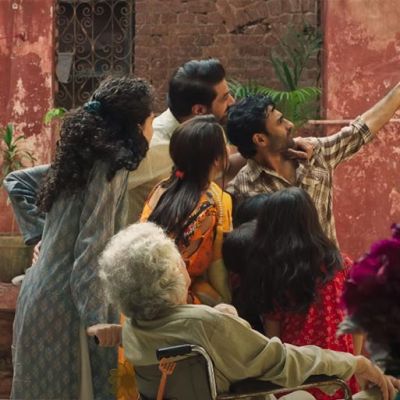
Directed by Saim Sadiq, Joyland (2022) is not a film about trans rights or women’s rights. It is not even about one specific group or community of people. It is about the whole spectrum of human emotions.
By Trijita
March 18, 2024

May 18, 2026