Desire

Jasmine Stains
My hair smells like jasmine / From the wedding I went to last night / When I tethered my untameable hair with flowers,
By Malini Gopalakrishnan
August 1, 2018
Jasmine Stains
Desire is a man’s turf, right up there with moustaches and Adam’s apples / I’m the apple, I am the snake, I am Eve / I am the vibrator nestled between flimsy, cheap lace underwear / I am the shame, of saying I came
By Malini Gopalakrishnan
January 2, 2019
It’s not ‘just’ play!
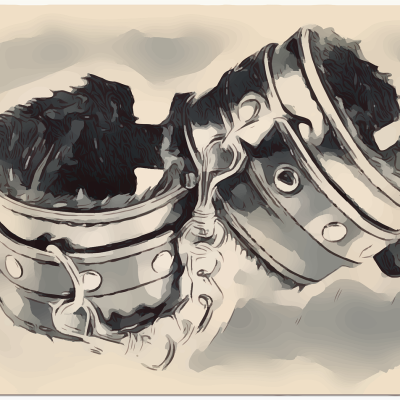
Play is not only about cocks, balls, vaginas, paddles, or anything that happens between two consenting adults in the bedroom. It’s also about what goes on in a masochist’s mind before they submit to a cane, or a whip, and before they orgasm from the pain.
By Asmi
December 1, 2021
Issue in Focus: Sexual Rights
It may be useful to visualise sexual rights as a large tree with deep roots and a vast canopy of leaves. Or as a giant umbrella. Or a big tent. Whatever tickles your imagination and allows you to see it as a conceptual and practical tool to make claims for any aspect that relates to how we express sexuality.
By Radhika Chandiramani
December 2, 2019

Issue in Focus – Desire and Sexuality
Any desire, not necessarily or narrowly sexual, but perhaps related to sexuality, such as independence, equality, gender role-bending, controlling your own finances, eating the food you’d like to eat as opposed to the food your spouse desires, wearing the clothes you’d like to wear, birth control, choosing to have or not to have children … any of these desires would have only that importance that the individual concerned is able to apportion to it.
By Shikha Aleya
August 1, 2018

Is Queerness Natural or a State of Mind?
My sexuality is not a testing ground for them to bet on.
By Writika Manocha
May 18, 2026
Interview: ‘Desire is Never Straightforward. In Fact, there is Nothing Straight about Desire at All’
Desire is never straightforward, and it cannot be straitjacketed – in fact, there is nothing straight about desire at all. Any issue dealing with desire, therefore, is wasted if viewed through a monochromatic lens.
By Curated Content
Interview: Shruti Arora
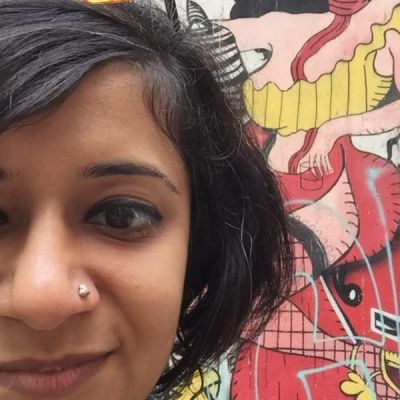
There may already be another organisation in the community to share resources with but for community-led initiatives, a shared perspective on Safe, Inclusive, Sexuality-Affirming (SISA) spaces is also important. Sometimes when the shared perspective is not there, that becomes a challenge.
By Shikha Aleya
January 3, 2022
Interview: Sharanya Manivannan
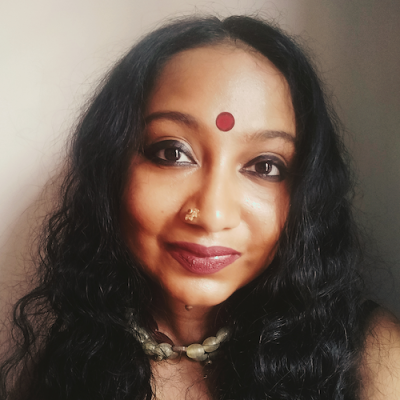
If you are true to yourself, and attuned to your emotions and needs, you’ll invariably find that even a core belief (such as: not believing in the institution of marriage) is complicated by what the lived experience of that means (not only discriminatory experiences, but also intimate ones).
By Shikha Aleya
February 1, 2021
Interview: Radhika Chandiramani on What Self-Care and Sexuality Have to Do With Each Other
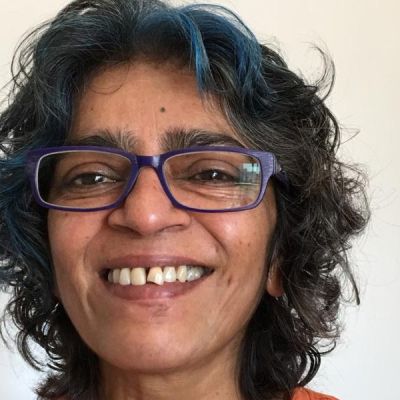
Sexuality and self-care are related at many levels, right from the level of knowing what you want and what you don’t, how you feel about yourself, how you are able to communicate your desires and how you are able to enjoy your experiences.
By Anjora Sarangi
Interview: Paromita Vohra – Part II
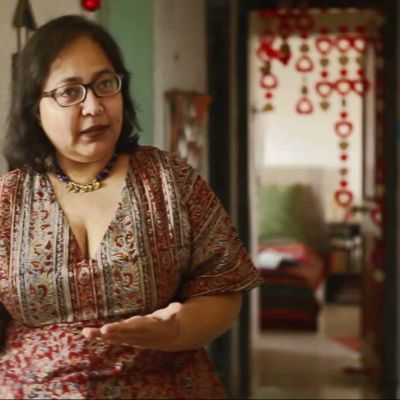
In a two-part interview with TARSHI, Paromita Vohra tells it to us as only she can: frank, articulate and free of male cow poop!
By TARSHI Team
August 14, 2018
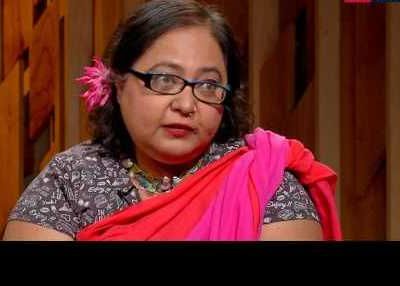
Interview: Paromita Vohra – Part I
In a two-part interview with TARSHI, Paromita Vohra tells it to us as only she can: frank, articulate and free of male cow poop!
By TARSHI Team
August 1, 2018
Interview: Paromita Vohra – Part I
In an interview with TARSHI, Paromita Vohra tells it to us as only she can: frank, articulate and free of male cow poop!
By TARSHI Team
January 2, 2019
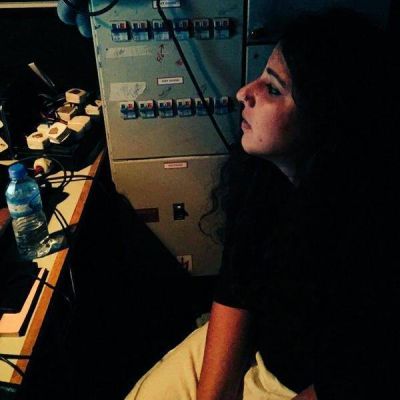
Interview: Namita Aavriti
Namita Aavriti, writer, lawyer, feminist, and coordinator and editor for GenderIT.org, focuses on issues related to gender, ICT and internet rights. Namita is also the co-curator and organiser of the Bangalore Queer Film Festival (BQFF).
By TARSHI
July 1, 2019
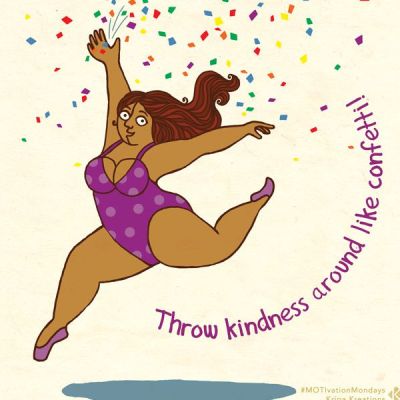
Interview: Kripa Joshi
There have been several recent examples of actors, movies and events being called out because of their lack of representation, like for the Oscars. With social media it is easier to create and distribute diverse art and also to voice the need for diversity. So it needs engagements and awareness in society. Change will happen once enough people demand that change.
By Shikha Aleya
June 15, 2021