Desire


Not Just A Portrait Of A Lady On Fire…
As the fire rages on and licks of flames get higher and higher, the burning desire, tension and sexual chemistry between the two rises to a crescendo. Heloise gets so consumed that a part of her dress catches fire, but it is quickly put out by the other women present there.
By Anubha Sarkar
December 2, 2019
Nostalgia, Love and Desire: A Personal Narrative
I met Benjamin on a hot summer day in 20xx. I was still young, single, and blissfully unaware of the…
By Curated Content
November 15, 2017

No expiry date for love or pleasure
It is unusual to find films that focus on older people, especially women, given our obsession with youth, ‘fit’ bodies and beautiful faces.
By ElsaMarie D'Silva
June 1, 2023
No Birds No Bees
Aria walked into her school’s auditorium, giggling with the rest of the girls, because they were about to have their very first Sex Ed workshop.
By Aradhana Phadke Sardesai
December 18, 2024

Neither Madonna nor MILF
For me, pregnancy was a strange state of being so present and so aware of my body, while at the same time being separate from it. This experience really did a number on me during those nine months and during the postpartum period.
By Tena Pick
June 1, 2023

Navigating love, loneliness and singlehood
The desire for intimacy might rob one of the intimacy that one shares with oneself and thus, being with the beloved can leave one feeling even lonelier because of the continuing struggle for validation and comfort.
By Anonymous
January 3, 2022
MY VAGINA IS DUKHA?
Ageing vaginas in ageing female bodies are joked about. But a vagina shouldn’t have the task of pleasing anybody but itself first. To begin with, we’ll have to love and respect our vaginas in order to pleasure them. Love them just as they are. If they feel a little dry, don’t despair. Use a lubricant or a little coconut oil. If my labia are unshapely, they’re still my labia and respond very nicely to gentleness and tenderness. If I don’t love and respect my ageing body, in need of gentle, loving, patient care, then who will, for God’s sake?
By Nighat Gandhi
July 5, 2021
My Sexuality is My DIY Project
I often imagine if I had been able to access friendly and empowering comprehensive sexuality education from my childhood, how different my life would have turned out to be.
By Surbhi Bhalla
August 25, 2023

My CSE Sundays
CSE survives in information as well as in the values that carry it forward.
By Khushi Kaushal
December 16, 2025

Ms. Pleasant Gets Stubborn
… spaces led by the desire to not just protect but also educate all who connect with children…
By Reema Ahmad
December 16, 2025
Mid-Air Between Heaven and Earth
The concluding chapter reiterates the aims of the book, i.e., “to start critical conversations within the disciplines of psychology, social work, childhood studies, and family studies in India and to think about exclusions inherent in these disciplines.
By Madhu Kewalramani
August 14, 2018

Meanings and Meaninglessness
Gender has perplexed me throughout life. I never quite understood femininity or masculinity much – I mostly lived in what other people thought I was. One thing I did know always is that I never, ever, want to be seen as a man. But can I still hold masculinity?
By Sudipta Das
May 19, 2025
Meanings and Meaninglessness
Gender has perplexed me throughout life. I never quite understood femininity or masculinity much – I mostly lived in what other people thought I was. One thing I did know always is that I never, ever, want to be seen as a man. But can I still hold masculinity?
By Sudipta Das
January 16, 2026
Maybe age is more than just a number? My discovery of my sexuality and sexual preferences over the years
Age is not just a number, like it is often said to be. It is a lot combined together. It is about grace, it is about exposure, it is about knowledge, it is about the ability to fight back. And yet, in endless other ways, age IS just a number.
By Asmi
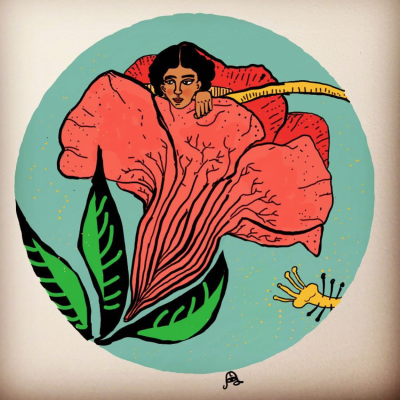
Love, Lust or Desire – Fusing Sex Back with Sexuality
While sex sometimes can be fun, and at other times complicated and frustrating –is always love, lust or desire: which one you are signing up for and which one did you want to actually explore?
By Nidhi Goyal
November 1, 2018