Body Image

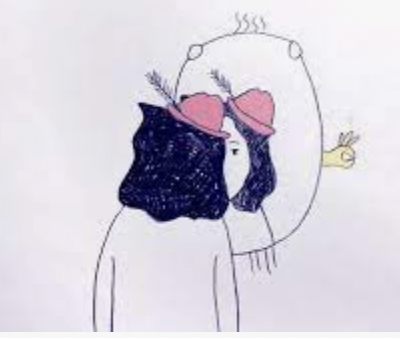
Video: How to be a Friend to Yourself
This thought-provoking, luminously illustrated The School of Life video reminds us of self-compassion being essential to building our own selves up, and being a safe space where we can extend the same love and imagination to our vulnerabilities, insecurities, fears, and doubts as we do to our friends.
By Curated Content
July 5, 2021
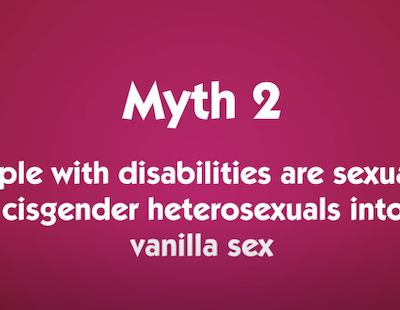
Video: Disability and Sex
Dr. Lindsey Doe debunks myths around disability and sexuality, at once carving out space for affirming and inclusive discussions and challenging negative and harmful stereotypes. Emphasising the sexuality of people with disabilities as rich and diverse, Lindsey wonders what inclusive sexual and reproductive health and rights really mean.
By Curated Content
August 2, 2021

VIDEO PAGE: THE IMPORTANCE OF VULNERABILITY
In a way, the expression of vulnerability can be a foundation of trust and mutual support in a relationship, often leading to a sharing of burdens and the building of a deepened connection and solidarity.
By Curated Content
January 4, 2021
Video Page: Naked Feelings
In a world where the body and its desires often become a site for personal insecurities and external policing, confronting the same body in its raw, physical nakedness, and feeling utterly, irrevocably comfortable with it is almost a revolutionary act
By Curated Content
October 1, 2018
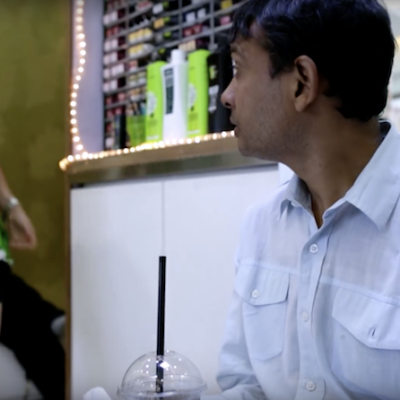
Video Page: Can Money Buy This Common Man a Decent Haircut?
Take the befuddled protagonist of this insightful short film. In an attempt to pamper himself for a special occasion, he decides to enter the precincts of an upscale salon. See what happens next.
By Curated Content
Too Big
Why do we always assume that violence is done to us by someone else and not that we do it to ourselves quite easily and then have a million explanations to justify why we do not eat, why we use Fair and Lovely face cream, why we spend hours in the gym under duress, and why we focus incessantly on how much one has gained or lost in kilos and not in a metaphysical sense?
By Pramada Menon
May 1, 2014
TOGETHER, ALONE
It wasn’t that she had never heard of homosexuality; but, in her imagination, gay men and women were an exotic species, not real people who could, perchance, be fellow passengers on a bus, fellow shoppers at a mall, or a fellow beginner in a meditation class.
By Kaustav Bakshi
November 2, 2020

Three Poems: “I dreamt…”, “The day…”, and “Wedding Album”
I always thought I’d get married in a white mekhla-sador, the paht soft and warming, so in cool weather please.
By Unmana
October 17, 2024
Things other than maths I tried doing, and failed miserably
Waxing my body for the first time last year to have silky skin like the women on Veet’s box but ended up with rashes instead.
By Greeshma
There I sat down and wept
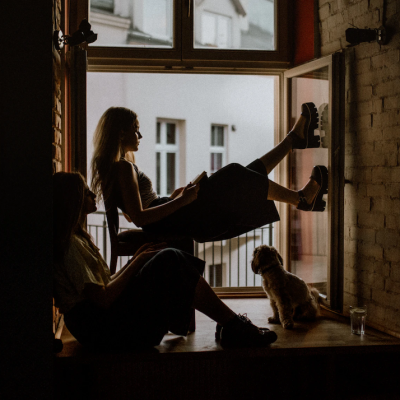
“Be yourself, Sarah. Awkward smiles, empty silences, weird laughter, and all. It’s just a part of being human. Loving someone physically is never not awkward. Even if it’s a monogamous relationship. It’s only the comfort of familiarity that makes you think otherwise.”
By Anna Lynn
April 19, 2021
The ‘Aunty’ Body And All That Follows
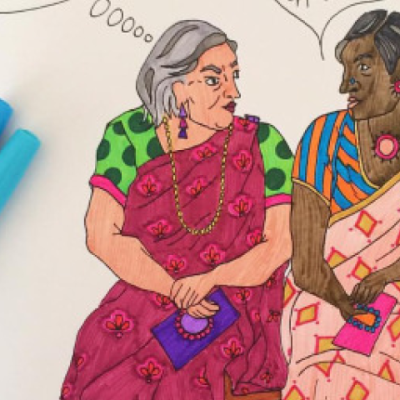
The issue with the ‘Aunty’ body arises from a deeply misogynistic and dehumanising understanding of women. In this imagination the woman, whom the world now addresses as ‘Aunty’, has basically served her purpose of marriage and child bearing, and is hence rendered useless.
By Feminism in India
March 15, 2021
The Unlovable Love Handles
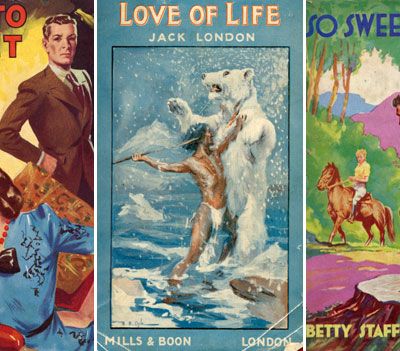
Each time I would look into the mirror, I would see the love handles bulging through my shirt and cringe inwardly. Mills and Boon had convinced me that my body was not loveable like that of the thin, beautiful protagonists, and thus, there would no knights coming for me on horses, now or later.
By Shivangi Gupta
December 3, 2018

June 15, 2026
The Editorial: Body Image
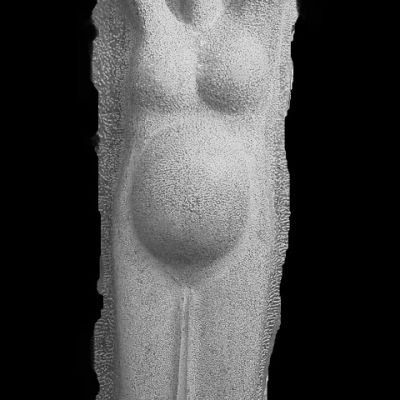
Do you love your eyes and hate your knees? Or do you sometimes wish your XXX were different? Replace XXX with any body part of your choice. We have all been there – griping, never satisfied, and never owning our own beauty. How do we perceive and evaluate our own bodies? What do we love? What do we loathe? And why?
By TARSHI
May 1, 2014