Voices

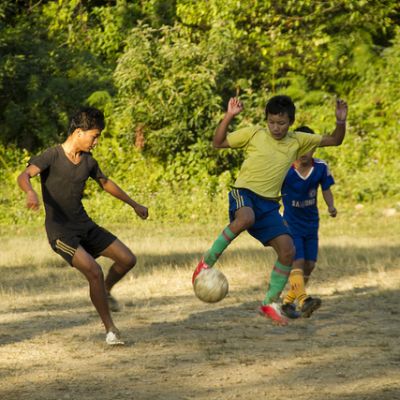
“HOMO” and Being Gay in Manipur
The Meitei queer’s tussle with sexuality continues to be a struggle jarred with discrimination, negation and moral policing through language.
By Davidson and Pavel
May 15, 2018
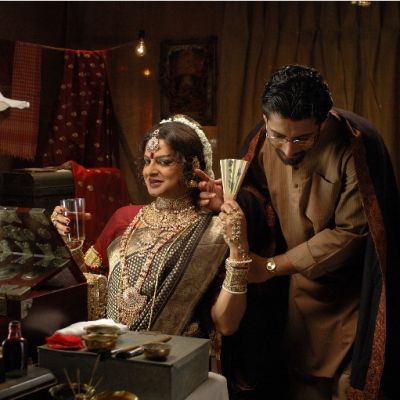
Brajabuli as a vehicle of queer desires: love songs in Rituparno Ghosh’s films
In my opinion, Ghosh was in search of a language of cinema which could be adequately expressive of queerness; he was slowly moving towards inventing that language, which would not be alienating to his conformist audiences, yet, would be intelligibly pleasurable to his (informed) queer viewers.
By Kaustav Bakshi
Reclaiming My Queerness: The Piecing-together of a Broken Childhood
As I reflect on what I had actively buried and tried to constantly forget, I realise how crucial language was in defining how I viewed myself.
By An kush

Two Poems: ‘Tongue’ & ‘Names’
You speak in so many tongues to me as you journey languorously down my body.
By Damini Kulkarni
May 1, 2018

The Sociolinguistics of Sexting
Typos are speed breakers, and autocorrect has kinky preferences
By Rajashree Gandhi
May 1, 2018

In the Name of the Mother….
A basic analysis of the most powerful swear words reveals that the vast majority are somehow related to sex (as in the act) or sexuality.
By Suchitra Dalvie
May 1, 2018
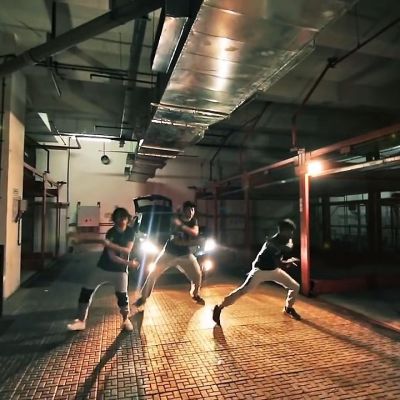
Twerkingly yours
While there have been many music videos objectifying women where they are shown to be given favours by men, it is amazing to note that even in a song where a woman is being refused the ‘gifts’ she seeks, the objectification of women persists.
By Almas Shamim
May 1, 2018
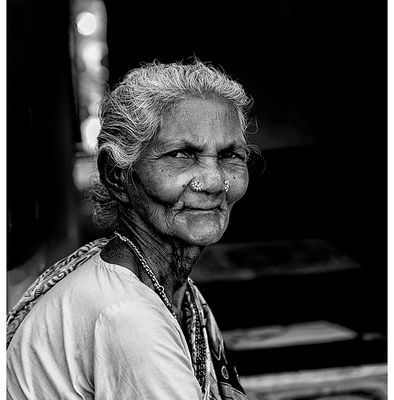
Sudha ji’s Love Story
Sudha ji’s indomitable spirit made me question if I was settling down for too little, if there was more that I should ask for, and if there is more that I deserve.
By Chandrabarna Saha
April 16, 2018
A Story of the Body: Understanding Memories and Sexuality
“I was not a wanted child. Of course I am a girl, and that explains it. It’s like no one really cares if I exist. My brothers are useless, but they are everything to them(her parents). It’s not like he (her lover) needs me either; I still take food for him everyday.”
By Rashi Kapoor
April 16, 2018
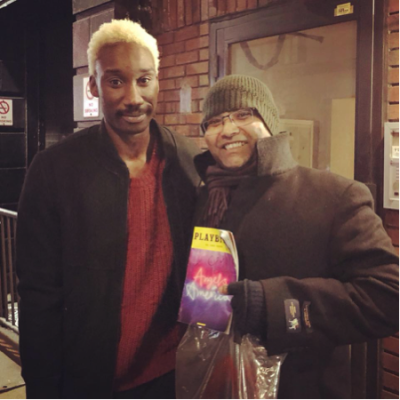
AIDS, Melancholia & Queer memory
In this essay, I revisit my early struggles with AIDS diagnosis during the summer of 2003. The recollections allow me to rethink how the New York cityscape and coming out about my HIV status to my parents in India shapes a racialised experience with HIV and AIDS, family relations, and transnational migration. Such a racialised experience is erased within Tony Kushner’s Angels in America.
By Debanuj DasGupta
April 16, 2018
Queer Archiving: Memory, Law and Sexuality
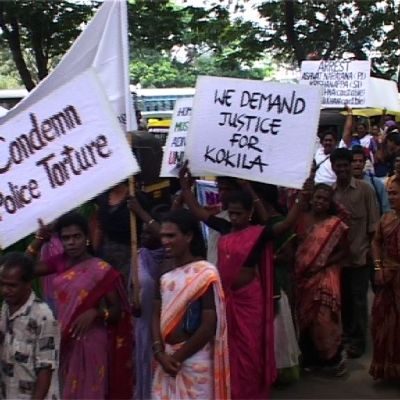
Could we imagine QAMRA as an archive that is alive, and interventionist, that is enabling the creation of a new space for dialogue while assiduously documenting the lives, work and interventions of existing and older histories?
By T. Jayashree and Siddharth Narrain
April 2, 2018
How my Memory Introduced me to my Caste
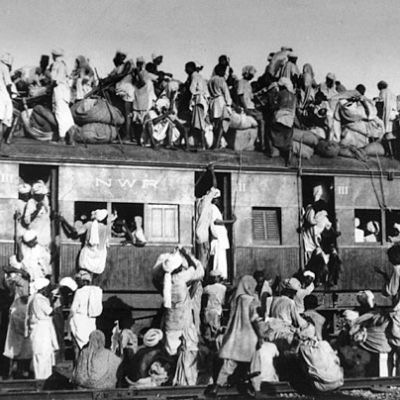
Historically, morality has been a privilege of the Savarna, and sexuality has been the fort that Savarna men seek to protect through patriarchy.
By dyuti
April 2, 2018
Building Resilience from Memories
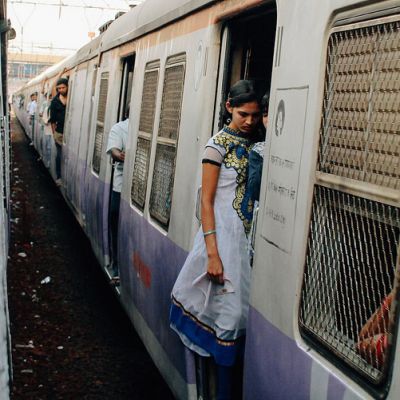
By creating a safe space to discuss these issues [of sexual abuse] and acknowledging these experiences, we can find a way to address the root cause and move forward in our healing process.
By ElsaMarie D'Silva
April 2, 2018
Do queer migrants from the Northeast find Indian cities alienating or empowering?
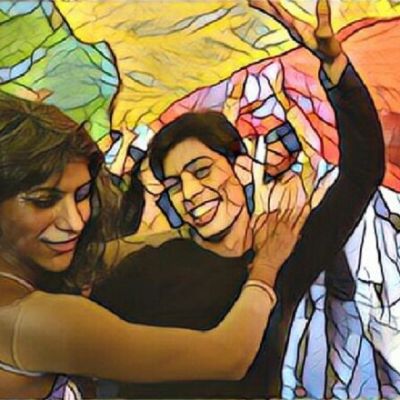
Despite the existence of various pockets in which a Northeastern queer could possibly reclaim and celebrate their racial identity, our sexual orientation conjures an awkward indifference and discomfort within our kin.
By Davidson and Pavel