Review

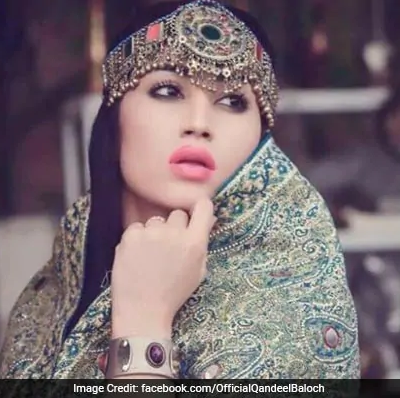
Qandeel: The Story Of A Small Town Girl With Big Dreams
Fouzia Azeem, more popularly known as Qandeel Baloch,was called Pakistan’s Kim Kardashian. Madiha Tahir, a journalist and filmmaker who is interviewed in the documentary,questions this comparison. To quote her: “She (Qandeel) is not Kim Kardashian at all. She is not famous for being rich. An upper-class woman would have her class protection and it’s unlikely that an upper-class woman would be supporting her family from these social media videos.”
By Zulfiya Hamzaki
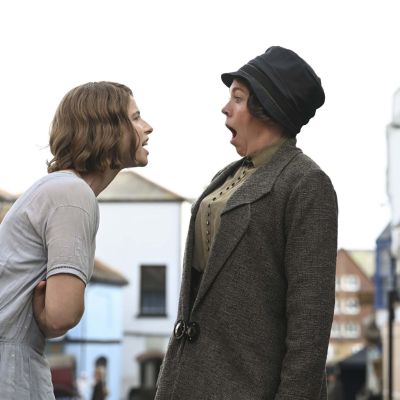
Prying Eyes, Peeping Toms
Wicked Little Letters (2023) is based on a true story of a scandal in the early 1920s in the seaside…
By ElsaMarie D'Silva
July 22, 2024
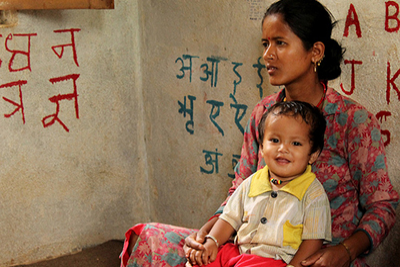
Progress towards universal access to SRHR: A review of the MDGs and the SDGs
The year 2015 is a momentous year as it marks the target date for reporting the achievements of the Millennium…
By Sai Jyothirmai Racherla
September 15, 2015
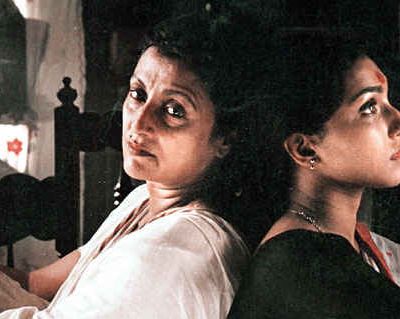
Paromitar Ek Din: Recalling Memories of Sexual Solidarity
Paromitar Ek Din is a study in female subjectivity – it is essentially a woman telling the story (or rather, recollecting the story) of another woman, and reflecting upon themes of sexuality, oppression, and gender-based discrimination.
By Rohini Banerjee

Outlander: A Review
Time and time again, Galbaldon asks us, through the character of Claire, to remember that we are travelers, we move and are moved by the interactions and environments around us.
By Dana Burton
September 17, 2018

Of “unapologetically flawed” women and feminism-lite: A review of Four More Shots Please!
Four More Shots Please! moves in the right direction when it comes to women (of a particular social stratum), their lives, and feminism at large – even if it takes small, stumbling, baby steps towards it.
By Srishti Gupta
Nothing Lasts Forever
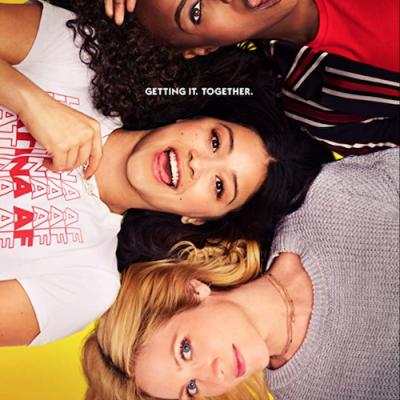
These two films were refreshing because they didn’t have the fairytale endings of girl-meets-boy, they fall in love, overcome difficult challenges and live happily ever after. Instead, they were set in everyday reality where life takes over and choices have to be made.
By ElsaMarie D'Silva
October 5, 2020
Not Just A Portrait Of A Lady On Fire…
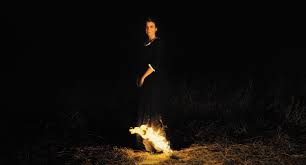
As the fire rages on and licks of flames get higher and higher, the burning desire, tension and sexual chemistry between the two rises to a crescendo. Heloise gets so consumed that a part of her dress catches fire, but it is quickly put out by the other women present there.
By Anubha Sarkar
December 2, 2019
No expiry date for love or pleasure
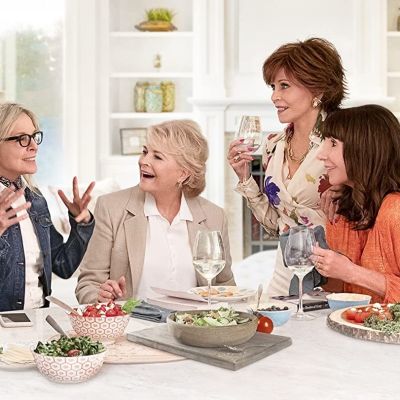
It is unusual to find films that focus on older people, especially women, given our obsession with youth, ‘fit’ bodies and beautiful faces.
By ElsaMarie D'Silva
June 1, 2023

Nanette: Of Universality and Difference
In Nanette, Hannah Gadsby’s hour-long Netflix special that transcends the very notions of stand-up comedy, forces of reclamation, protest, and rage culminate to form a darkly hilarious but heartbreaking diatribe against patriarchy, heteronormativity, violence and marginalisation.
By Anonymous
September 4, 2018

Movie Review: Delta of Venus
Lawrence may have given Elena a world and a voice. But it was she who chose to delve into the unknown world of sexuality. It was she who chose to see the beauty and the richness of pleasure within communities of sex workers, soldiers, the elite, all alike. She alone chose to discern as well as reconcile love, as we commonly seem to know it, with a life in which she is capable of many loves.
By Asmi
February 3, 2020
Mid-Air Between Heaven and Earth
The concluding chapter reiterates the aims of the book, i.e., “to start critical conversations within the disciplines of psychology, social work, childhood studies, and family studies in India and to think about exclusions inherent in these disciplines.
By Madhu Kewalramani
August 14, 2018
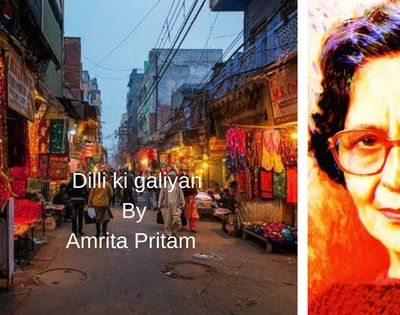
MeToo, Masculinity and Amrita Pritam
Dilli ki Galiyaan therefore offers us a broader canvas for our desires, than the one afforded by the clear cut binaries of our current debates. The text shows that there will be masculinities that we urgently need to discourage; while men who do not encourage us will continue to exist.
By Ishan
October 15, 2019
MeToo, Masculinity and Amrita Pritam
Dilli ki Galiyaan therefore offers us a broader canvas for our desires, than the one afforded by the clear cut binaries of our current debates. The text shows that there will be masculinities that we urgently need to discourage; while men who do not encourage us will continue to exist.
By Ishan
January 13, 2025

Mental Wellbeing and LGBT*QIA Identities
To us, these sessions illustrated a few of the ways in which wellbeing is tied to sexuality; experiencing or being a part of queer/LGBT*QIA+ spaces by itself leads to reflection, healing, catharsis, and empathy.
By Nazariya QFRG
June 1, 2018