Review

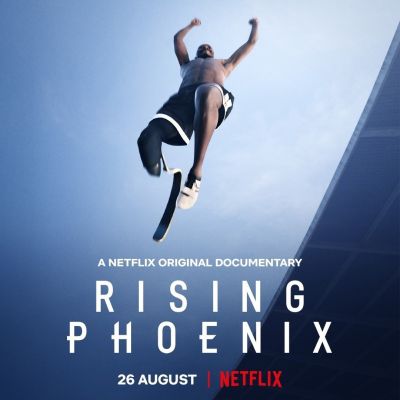
Despite all odds
In the spirit of the Games, I watched the Netflix film Rising Phoenix which documents the history of the Paralympics and its impact on the world in making visible the topic of disability. It also tracks the personal and professional journey of some of the top Paralympic athletes who share their challenges, frustrations and motivations.
By ElsaMarie D'Silva
August 2, 2021
Desire, Appetite and Sexuality: Indian Cinema’s Evolving Taste Buds
Indian films have for long fed into as well as mirrored social and cultural practices. Many of them depict a woman as being restricted to the kitchen and serving delicacies during festivities.
By Sourav

Descent into Darkness
No Limits explores several themes – the struggles that athletes go through to reach their goals, the personal and professional risks they take to break records, the compromises they make and the single-minded focus required of them.
By ElsaMarie D'Silva
April 21, 2023

Circle of Trust
None of these characters is perfect but in their imperfections we can learn more about body positivity, gender sensitivity, privilege, consent, unconscious and implicit bias, sexuality, masculinity, their intersections with class, religion, race, age, and more.
By ElsaMarie D'Silva
April 5, 2021

Cinema’s Unintentional Counter-Narrative on Marriage
Reviewing three films (or the subplots of three films) to see how subplots show that marriage isn’t a destination or a single story that begins and ends in the ‘happily ever after’.
By Shweta Krishnan
January 3, 2023
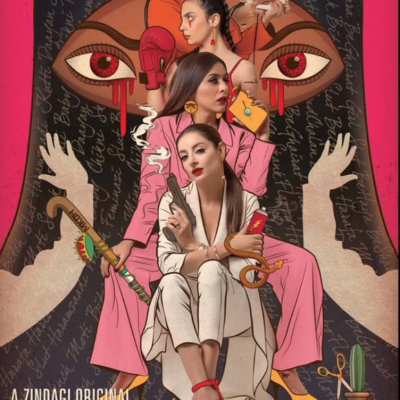
Churails: The Revolution Within Us All
Their inimitable personalities showcase their varied conceptions of insaaf (justice), enriching and intensifying the plot and, at the same time, reaffirming their solidarity and strengthening their unity.
By Nupur Paliwal and Saloni Mishra
December 1, 2020

Brutally Funny And Honest: Review of The Invite
Commitment is less about perfection
By Anugya Srivastava
September 14, 2026
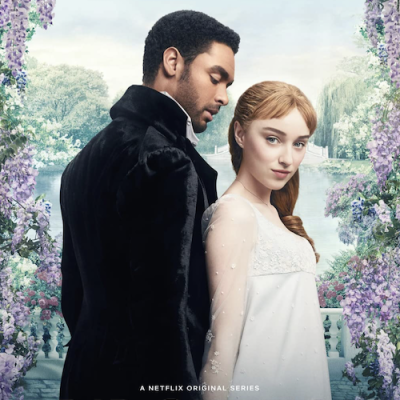
Bridgerton: Pairing-up Pressures
By and large, society expects a woman to marry. Often people in one’s circle judge a woman if she doesn’t marry, inquiring about what could be wrong but most never assuming that it could be out of choice
By ElsaMarie D'Silva
February 1, 2021
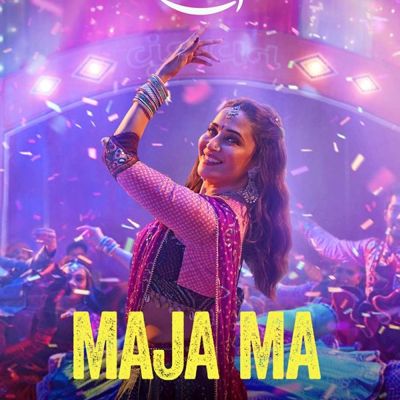
Breaking new ground: Maja Ma’s portrayal of queerness in a traditional Indian family
This reconciliation between Pallavi’s public (seemingly) heterosexual and closeted lesbian identities points to a distinctly Indian way of avoiding polarities through a new social arrangement where both identities are allowed the space to flourish.
By Juhi Sidharth and Chaitanya Ravi
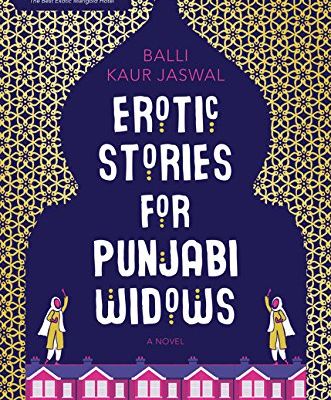
Book Review: Erotic Stories for Punjabi Widows
Much like any good erotic encounter, Balli Kaur Jaswals’ 2017 novel, Erotic Stories for Punjabi Widows, is a delightful romp that comes to a satisfying, sweet climax and an urge to fall back on the pillows.
By Sheena D'Lima
March 2, 2020
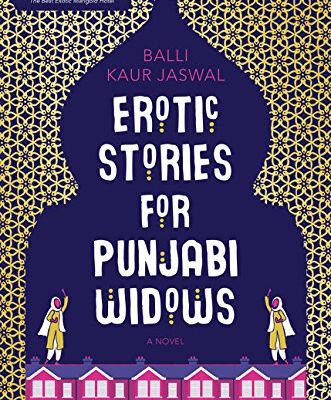
Book Review: Erotic Stories for Punjabi Widows
The story is so well told and is written with such a light, deft hand that it is almost easy to miss what makes it so quietly radical. To review it within the scope of exploring the coming together of literature and sexuality we must begin with its central cast of characters – the widows.
By Sheena D'Lima
January 3, 2022

Book Review: Come As You Are
You should venture to read Emily Nagoski’s book, Come As You Are in public. Not because you want to make…
By Shweta Krishnan
November 15, 2015
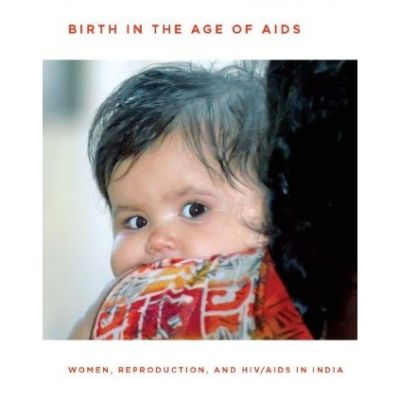
Book Review: Birth in the Age of AIDS: Women, Reproduction, and HIV/AIDS in India
Cecilia Van Hollen’s 2013 ethnography (published by Stanford University Press) of low caste, low-income women living with HIV in Tamil…
By Kristin Francoeur
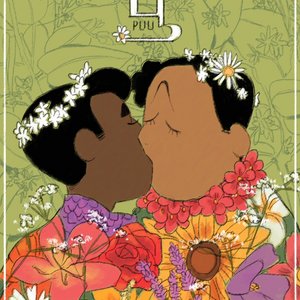
BLOSSOMING INTO A GARDEN: SPIRITUALITY, SEXUALITY AND ALL-CONSUMING QUEER LOVE IN ‘PUU’
Puu, an episodic comic (consisting of 92 serialised episodes) created in 2016 by Nabigal-Nayagam Haider Ali – going by Nabi online – is woven together with vast, expansive threads of similar intense spiritual moments and reflections on devotion, faith, and love.
By Rohini Banerjee
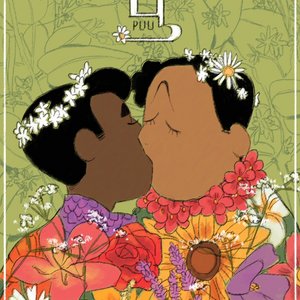
Blossoming Into A Garden: Spirituality, Sexuality and All-Consuming Queer Love in ‘Puu’
Puu, an episodic comic (consisting of 92 serialised episodes) created in 2016 by Nabigal-Nayagam Haider Ali – going by Nabi online – is woven together with vast, expansive threads of similar intense spiritual moments and reflections on devotion, faith, and love.
By Rohini Banerjee