Categories

Interview: Shilpa Phadke
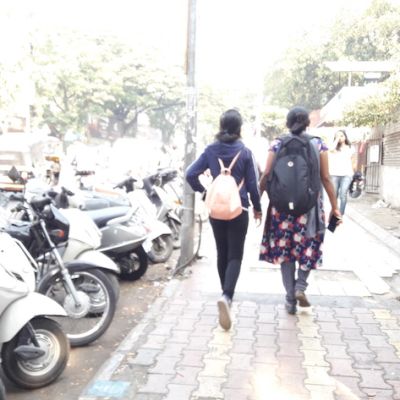
Shilpa believes loitering, just being, just hanging out in public places, is about ‘claiming the city with your body’. One of the co-authors of the book, ‘Why Loiter: Women and Risk on Mumbai’s Streets’ published in 2011, Shilpa has authored several essays and journals on issues of feminist parenting, gender and the politics of space, the right to take risks and related thoughts and concepts.
By Shikha Aleya
January 2, 2020
Love, Lust and PDA
I extend my support and solidarity to people, across the spectrum of gender and sexuality, who want to break closed doors and walls to establish safe spaces where one can love freely, without inhibitions; people who seek to re-define love and intimacy in their own independent, non-patriarchal terms.
By Anannya Chatterjee
January 2, 2020
Where Do I Go?
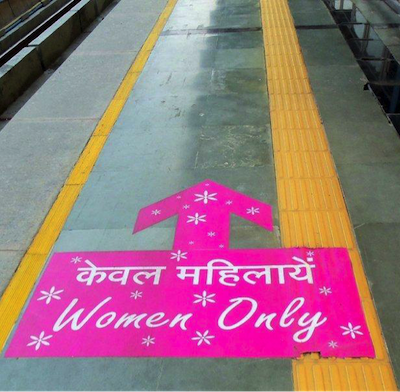
As renowned queer scholar Judith Butler said, “For those who are still looking to become possible, possibility is a necessity.” This is essential but also easier said than done.
By Smita Vanniyar
January 2, 2020

Safety and Adventure All Rolled Into One
However elusive the combination of safety and adventure, it’s a framework I find terribly useful. It helps me understand much of life, including spirituality and sexuality, and what the two might have in common.
By Jaya Sharma
January 2, 2020
Worlds Within Queer Worlds: Presence, Politics And Diversity
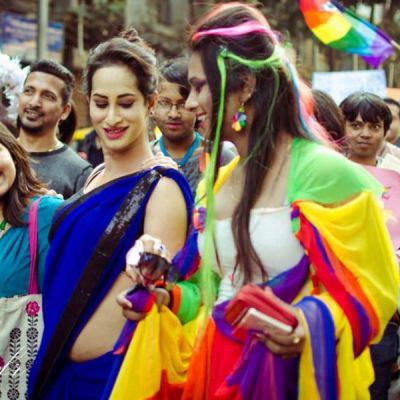
Many among us are called names, are greeted with aggressive taunts and jeers on the very streets we boldly occupy at least once every year,so we go on living docilely until the next Pride, when performative reclamation of spaces becomes possible.
By Sohini Chatterjee
January 2, 2020
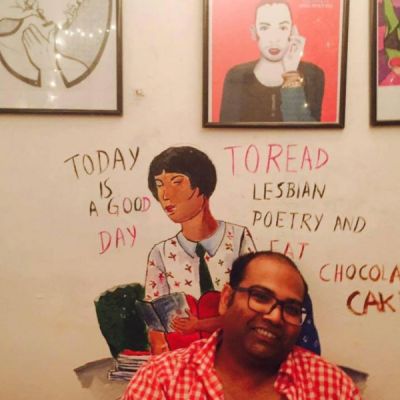
A Cafe Of Our Own?: The Politics Of Queer Spatiality In Urban India
Queer cafés are not exempt from the fast changing landscape of Indian metropolitan areas and offer both inclusion as well as exclusion from the promise of a queer utopia.
By Swati Vijaya and Debanuj Dasgupta
Review: What Sex Work Taught Feminism: Tales Of The Night Fairies
Tales delicately yet powerfully draws out the conflict between sex workers and feminism in India,at a time when a lot of feminists thought of prostitution through a SWERF lens[1].
By Moulshri Mohan
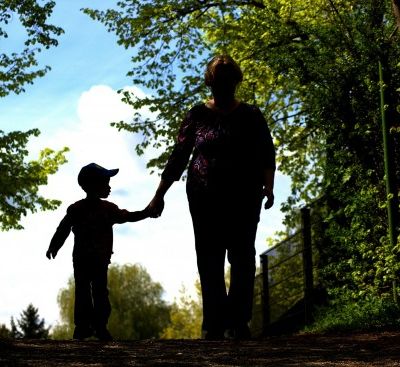
Feminist Parenting: Talking About Gender And Sexuality
“Mamma, look, that’s a boy giraffe, I can see his penis,” exclaims my four-year-old daughter in delight at her discovery as we stand watching the stately animals at the fabulous Mysore Zoo. Far from cringing at the over-loud tones of my daughter, I beam at her, “That is clever of you.”
By Shilpa Phadke
January 2, 2020

Editorial: Anthology Issue
As we move into a new year and a new decade we hope to be moving towards a more just and peaceful world, especially given the troubled times that people all over the world have been and are currently experiencing. And so, in this new year, we wish you lots of SISA spaces through 2020 and beyond!
By TARSHI
January 1, 2020

Editorial: Human Rights and Sexuality
So while theoretically we should all have the right to make our own decisions about matters to do with our sexuality, have the right to sexual and reproductive health care, the right to love who we want to, and the right to be free from violence and discrimination based on our sexual choices, to name just a few sexual rights, even today many people do not have these rights.
By TARSHI
December 16, 2019

Radicalise The Banal
How we treat each other in our daily lives informs our feminist praxis. How we fail each other in our daily lives through the use of unkind language, dismissal of mental illnesses, making fun of one’s own choices, disrespecting personal boundaries (and so on), also counter our feminist praxis.
By Debarati Sarkar
December 16, 2019
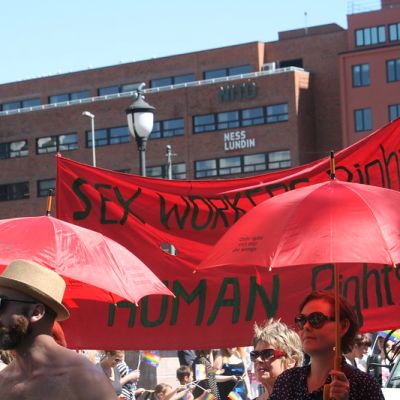
Rights, Rescues and Resistance In The Global Movement For Sex Workers’ Rights – Introducing The Series
Further, the crucial role of sex worker organisations in promoting the rights, safety, and security of sex workers and addressing working conditions in the industry has largely gone unrecognised by national and international policymakers, donors, and some non-governmental organisations
By Curated Content
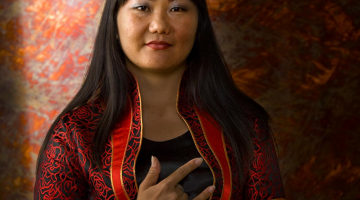
How Mainstream Feminism Continues to Perpetuate Ableism (And How We Can Change That)
Disabled folks make up the largest “minority” group that includes the most diversity, and anyone can experience or acquire a disability at any point in their life. And yet even in feminist and social justice spaces, ableism persists.
By Curated Content
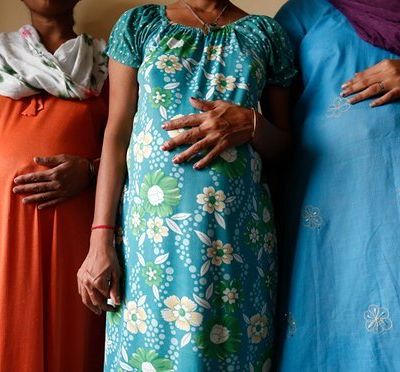
Opinion: India’s Proposed Commercial Surrogacy Ban Is an Assault on Women’s Rights
The new proposal to ban commercial surrogacy is essentially a rehash of a bill that was proposed three years ago — the Surrogacy (Regulation) Bill, 2016 — which lapsed when Parliament adjourned without taking the measure for a vote. The Indian minister for health has called the 2019 bill a “need of the hour,” citing a rough estimate that between 2,000 and 3,000 unregulated clinics currently operate in the country.
By Curated Content

The Politics of Self-Care and Feminism
In a time when reason is more valued than emotion, unravelling and understanding the politics of self-care becomes all the more fundamental for us, and the movements we seek to develop and build. When our bodies, our emotions and our needs become weapons to be used against us, acts of defiance become rooted in thinking about your self and how we practice it.
By Curated Content
December 16, 2019