Shikha Aleya


Interview – Kallol Datta
Clothes for me are our first line of defence. They are also our first act of providing relief.
By Shikha Aleya
September 20, 2023
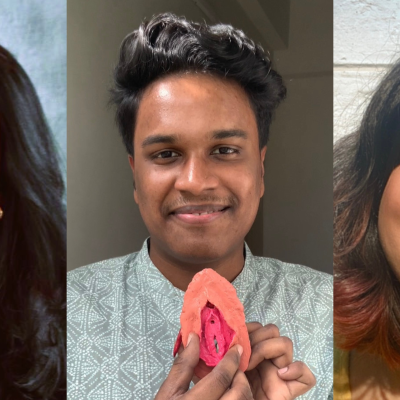
Interview – Comprehensive Sexuality Education
We requested some sexuality educators to speak on some of the priorities they identify, and also to share directions towards possible ways that could move us forward together in the Comprehensive Sexuality Education landscape, keeping in mind that there are many different constituencies and interest groups involved.
By Shikha Aleya
August 25, 2023
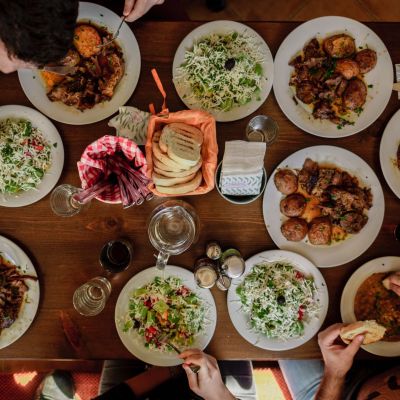
Place your orders
Food is some sort of extension of our bodies, our identities, and therefore food and sexuality intersect in a myriad ways.
By Shikha Aleya
July 17, 2023
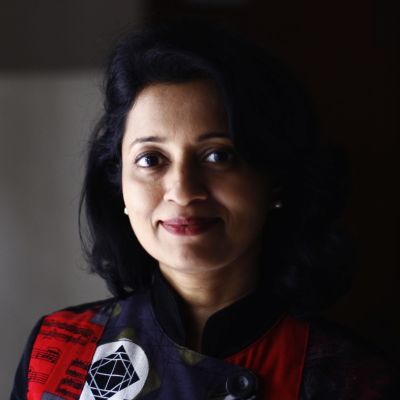
Interview – Shylashri Shankar
So why do we have to have fixed notions of gender roles and food?
By Shikha Aleya
July 5, 2023

Multi-bodied Magical Body
Body + a million This article: written, read, edited, uploaded on to the internet, heard using assistive software, converted into…
By Shikha Aleya
June 16, 2023
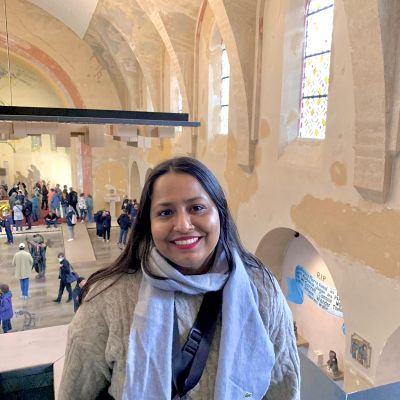
Interview – Jyotsna Siddharth
Our bodies are the vessels through which we feel, emote, work or navigate our societies and the world at large. Our bodies are the real, live archive of everything we have experienced and they have borne the consequences of our social conditioning and decisions.
By Shikha Aleya
June 16, 2023
Issue in Focus
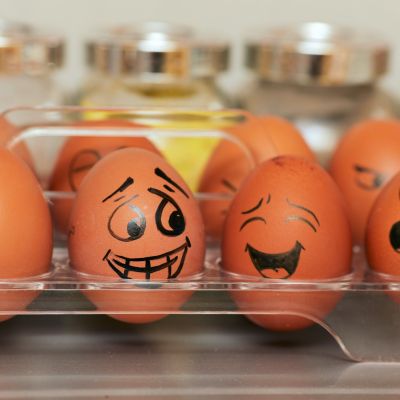
Humour, either openly, or thinly camouflaged, is a combination of the intellectual, spiritual, emotional, physical nature of being. So quite often, anger, anxiety, aggression, wisdom, love, frustration, wickedness, cruelty, sarcasm and other feelings are a big part.
By Shikha Aleya
May 4, 2023

Interview – Radhika Vaz
I think we are still in a trap of a heteronormative, youth biased, light skin biased, sizeist, ableist culture and until we consciously snap out of it we are throwing a cloak over a human being’s ability to really find what their sexuality even looks like.
By Shikha Aleya
May 4, 2023
Interview – Sadam Hanjabam
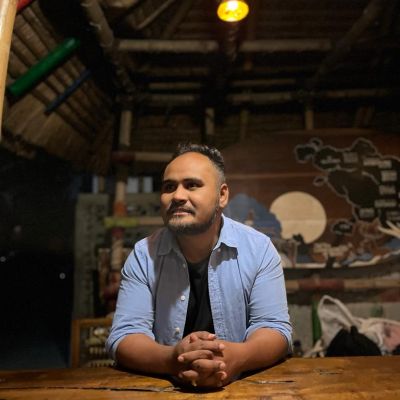
When we are talking about the theme of embracing equity we can see sports as a neutral space that has the potential to be a space where everyone can connect, together, without language, and without the domination of any community over another.
By Shikha Aleya
April 6, 2023
Interview – Kiran Bhat
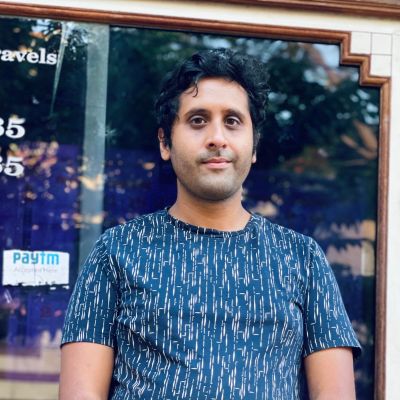
So I am realising now that for me the space of borderlessness applies to everything. It applies to the physical and topographical border as it does to the borders we create between gender and their expressions. I think I would like to argue for a truly borderless understanding of the world.
By Shikha Aleya
March 17, 2023

Issue in Focus
There are different narratives where lie hidden worlds of codified feelings, justifications, a reason to buy or not buy into injustice, or othering.
By Shikha Aleya
March 1, 2023
Interview – Anjlee Agarwal
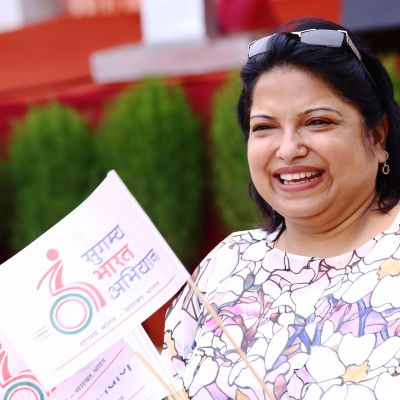
Self-care is influenced by the environment we inhabit, the way we relate to others, the way we negotiate with other living beings or structures. Self-care is also interlinked with other types of care – whether that is in community resources, psychosocial support, engagement with medical and health care institutions, and of course in collective agency and solidarity.
By Shikha Aleya
February 4, 2023
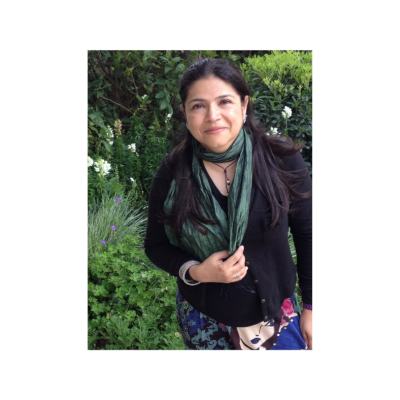
साक्षात्कार – समीरा खान
“इन युवा महिलाओं नें तो हमारे विचारों को और आगे तक पहुंचाया है, और महिलाओं द्वारा सार्वजनिक स्थानों तक पहुँच पाने के नए आंदोलन खड़े किए हैं। इसमें उनका देर रात तक बाहर रहना, महिला हॉस्टल में लगाई जा रही समय की पाबंदियों को ठुकराना, और महिला शौचालयों और सार्वजनिक यातायात तक अधिक सुलभता पाने की मांग करना शामिल है।”
By Shikha Aleya
February 2, 2023

Issue in Focus: The Heart of Being
To chase down our own vulnerabilities around sexuality is a short run around the corner, five minutes ago, last night sleeping alone, with a lover, a partner who lost interest, the Insta post that leaves you feeling you’re not good enough for the hug, the kiss, the cuddle and are you perhaps the A of LGBTQIA+?
By Shikha Aleya
January 3, 2023
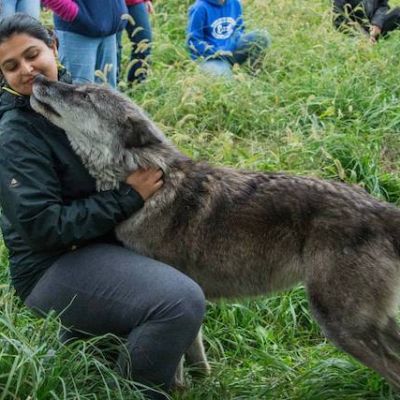
Interview – Raj Mariwala
Self-care is influenced by the environment we inhabit, the way we relate to others, the way we negotiate with other living beings or structures. Self-care is also interlinked with other types of care – whether that is in community resources, psychosocial support, engagement with medical and health care institutions, and of course in collective agency and solidarity.
By Shikha Aleya
January 3, 2023