Anjali

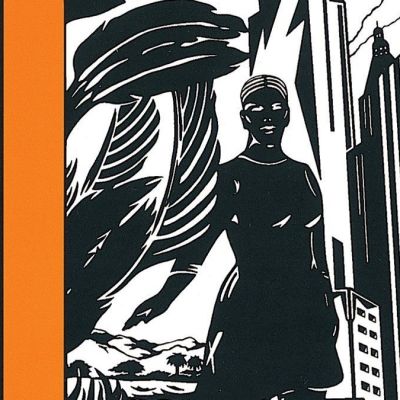
On Learning and Becoming: “To Whom Do I Owe the Woman I Have Become?”
We become women before we become a woman. Of course, we don’t need to try hard to do so…We learn the sides and folds of the gendered box we are in before we gain the perspective to decide we don’t fit in and build a customised box or choose to have no box at all.
By Anjali
डर और आज़ादी के बीच…
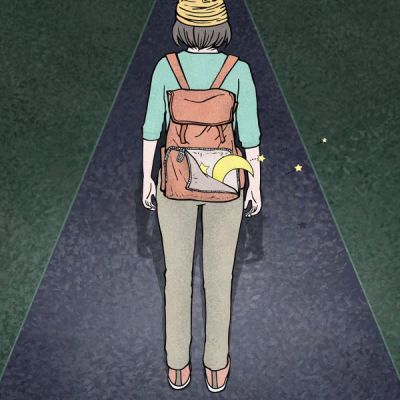
जीवन में उम्र बढ़ने के साथ, खासकर किशोरावस्था पार होने पर, यौनिकता पर चर्चा में हमेशा ‘सुरक्षित रहने’ पर ही बात होती है – और इसी नज़रिये से यह माना जाता है कि हमारी सुरक्षा इसी बात पर निर्भर करती है कि हम एक विषमलैंगिक-पितृसत्तात्म्क व्यवस्था के अनुरूप किसतरह से व्यवहार करते हैं।
By Anjali
March 1, 2022
Between Fear and Freedom
We are led to question what ‘safety’ really is: Will it be guaranteed by going gently, if at all, into that good night? Is it at all possible to freely and safely explore who we are and the world in which we live?
By Anjali
January 3, 2022
Unboxing Our Darkness: Vulnerability and Transformative Justice
When we are in tune with our authentic thoughts and feelings, vulnerability can be a guide-post in traversing through life, allowing us to forge deep and meaningful connections where we can hold space to mess up and get back on our feet again.
By Anjali
Between Fear and Freedom
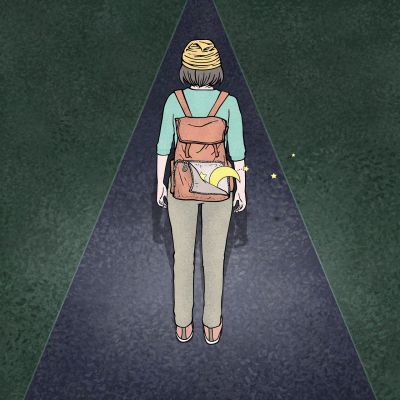
While highlighting safety from, media narratives often dismiss safety to: express oneself, be it through the way we identify and communicate, or through the body. Not only the spaces we access and the time of day we do so but also the way we perform our self-hood.
By Anjali
October 15, 2020

I May Have Called You Baby But It Doesn’t Mean I Want One!
Some nights I worry that if birth control for men is indeed released, clinical trials of which were suspended in 2016 as its side effects, incidentally the same as what women have been dealing with for ages, were just not worth it, it would be named Fuckboi.
By Anjali
August 14, 2020
On Learning and Becoming: “To Whom Do I Owe the Woman I Have Become?”
I share an apartment with two friends in a cramped street across from posh, climber-draped bungalows in South Delhi. All…
By Anjali