I met Ithamar on a rainy Tuesday afternoon. It wasn’t the kind of rain you find in films – the dramatic kind that is romantic and gentle, hinting at kisses to come. No, this was the kind that settled in your bones, the hard and wet kind, that wrapped itself around you and made you wonder if you’d ever feel dry again. He sat at the rear of the campus coffee shop, tracing his fingers along the spine of a worn edition of A Portrait of the Artist as a Young Man, as though the story would seep into him through his fingertips.
There was something about him that tugged at a thread within me, the sort of recognition that makes you feel older than you are, as though recalling a dream you can’t quite define.
We didn’t speak right away. He was a quiet figure, nearly too motionless to register unless you were looking. The kind of guy who didn’t interrupt, didn’t do masculinity or intelligence. And maybe that’s what attracted me. He didn’t wear his identity on his sleeve, and therefore he seemed more real than most people who did.
It started with a comment – mine – to the effect that someone had been misquoting Eliot in a seminar. He turned to me, smiled as if he had been anticipating someone to remark on it. And then we settled into a mutual cadence. An unspoken one in the beginning, but with time it was understood that we didn’t need words to be together. We’d spend our afternoons browsing through dog-eared volumes at the coffee shop, books we never intended to purchase, but always borrowed, always read again. There was no necessity of over-the-top declarations or verbal vows.
He wasn’t loud. He wasn’t aggressive. And yet he had a presence – without his ever needing to show that he fit. His manhood was reserved, uncarved by pageantry. In a campus in which men honed their egos like daggers, Ithamar remained unpolished in the most excellent sense.
We’d sit on the stone steps behind the Philosophy block that remained cool even in the afternoon; it was my favourite place. Vines hung down from the eaves above, and occasionally a leaf would fall between us, unseen. It was hard to tell whether our knees would brush by mistake, by fate, or because, in some way, he too was leaning in.
We would talk about things that didn’t need conclusions. Once, he told me that the story of Achilles and Patroclus was the most tragic love story ever written – not because they were lovers, but because they never got to name it.
“Do you think naming it would have made it more real?” I asked.
“I think naming it would’ve ruined it,” he said softly. “Real things don’t always need language.”
He wasn’t gay. He said it like an apology. And I said I wasn’t straight, like a confession.
While others saw things differently, there was no need to explain it to one another. We weren’t dating but I would often picture reaching out for his hand, just to check if he’d allow me. There were no late-night texts or stolen glances across the room. It was something slower than love, and stranger. A friendship that rested on the cusp of something else, never quite stepping into the light.
There was softness. The kind that doesn’t make itself known. He had this manner of listening like he was transcribing a piece of music he couldn’t identify. He once sat with me for two hours on the library lawn as I tried to cry and couldn’t. He didn’t offer words of wisdom. He just stayed.
He handed me his handkerchief during class one afternoon when I had a coughing spell. White cotton, soft-fringed, a little worn, with the barest hint of clove. I never returned it. He never asked for it back.
It was something a man’s grandfather would have owned. A detail inherited. A softness folded inside the doing of use. That was what he was, really – an accumulation of contradictions no one ever bothered to round off.
He wasn’t being a man, the way men tend to be. There were no proclamations, no posturing. He didn’t lift weights or define jazz for girls.
But neither did he apologise for not being anyone else. He just was. And somehow, that felt radical.
Once, I asked him what he feared most.
“Becoming my father,” he said.
“Why?”
He didn’t answer.
Later, I realised it wasn’t the man he feared becoming. It was the silence that followed him.
Around the time the semester was ending, he informed me that he was relocating to Auroville. He said it like it was just another line in a long conversation.
“I need to live in a place where I can hear my own thoughts,” he said.
“What kind of thoughts?”
“The kind I haven’t been taught to have.”
We didn’t fight. We didn’t cry. He didn’t hug me goodbye, even. He just faded away, like ink on a page. One day he wasn’t at the café anymore. He left Letters to a Young Poet on my desk, folded open at the last letter. Underlined in pencil: “Try to love the questions themselves.”
I never wrote to him. Never went there.
A part of me wanted to leave him suspended in the moment – before things had to be labelled, before tenderness had to justify itself.
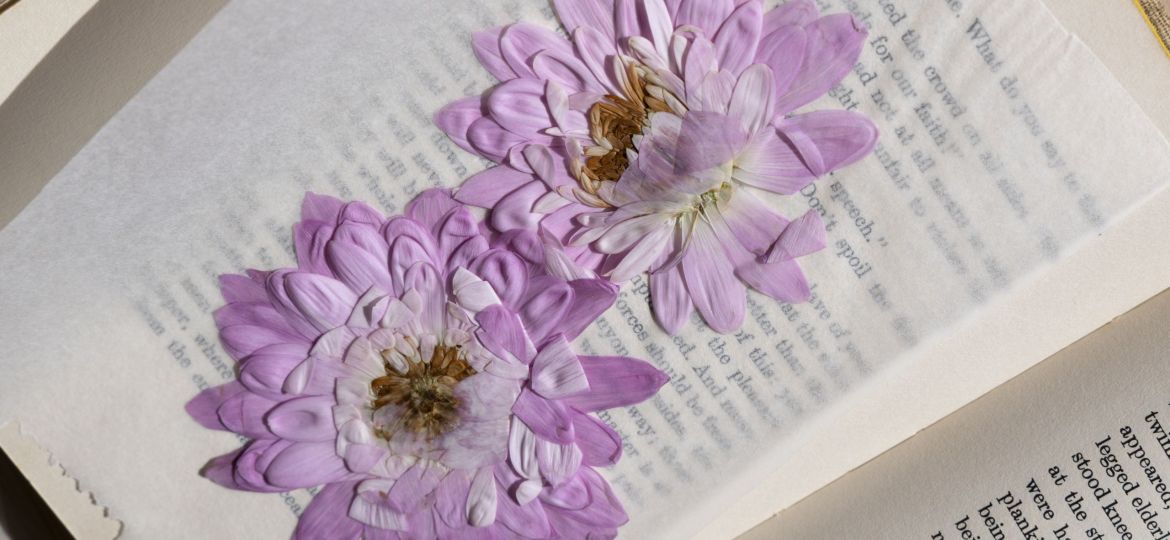
Now, when I think of him, it’s not with yearning, but with quiet contemplation. It’s more like discovering petals you once pressed between pages to recall a moment.
At times I imagine him in Auroville. Reading Baldwin in a sunroom with daylight, drinking tea brewed from leaves he has cultivated himself. Wondering whether he ever needed to name what we left unnamed.
And sometimes I wonder what masculinity means to someone like him now.
Maybe it’s a pair of quiet hands that never learned to hurt. Maybe it’s the absence of explanation. Maybe it’s just sitting across from someone and letting them be.
Cover image from Freepik
