SISA spaces


Digital Intimacies and Sexuality – Editorial
We humans are sometimes able to squeeze kindness out of a stone. And love out of nowhere.
By TARSHI
March 17, 2026

March 17, 2026

’Twas Once a Blogger’s World
In late 2004, in my first year of college, a school friend emailed me a link to something she called…
By Vani Viswanathan
March 17, 2026

Lost and Found on the Internet: Reimagining Intimacy, Risk and Survival
Maintaining the streak meant maintaining contact
By Niv, Vanshika Gupta, Anjani Chadha

Screens, Swipes and Ephemeral Intimacies
The convergence of technology and romance opens up a complex network of possibilities…
By Himani Bajaj
March 17, 2026

Safe Screens, Safe Relationships – Ground Realities from Meri Trustline
Digital abuse is not merely a technical or legal issue, but an emotional and social experience.
By Salman Mujawar

Hybrid Spaces for Your Happy Places: A Reflection on Digital Intimacies and the Future of Humans
Sex robots never have a headache or expect you to contribute to the housekeeping.
By Suchitra Dalvie

The Illusion of Connection and Choice in the Digital World
People are becoming lonelier, and their desire for connection, stronger.
By Aratrika Datta
February 17, 2026

February 17, 2026

Can’t Help Blending With You
…something truer than thought starts to climb upwards.
By Taarina Therese Chandiramani
February 17, 2026

Body-doubling in the Digital Age
My mother will be so ashamed of me for ‘dying for sex’.
By Apoorva Ravi
February 17, 2026

February 17, 2026

February 17, 2026

Editorial – Anthology Jan 2026
To remind us of what spaces that are safe, inclusive and self-affirming for each person could look like, we have curated a selection of articles from the last five years of In Plainspeak for this anthology – our gift to wish you a wonderful 2026.
By TARSHI
January 16, 2026
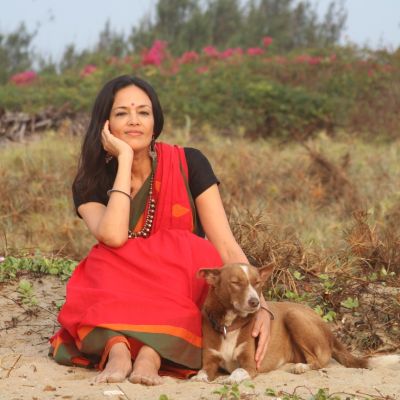
Interview – Tishani Doshi
I’ve essentially thought of movement as a kind of freedom, but one that has the capacity to destabilise you in some way. My most creative moments are when I’m not moving, when I am in fact rooted and still.
By Shikha Aleya
January 16, 2026