Sexuality

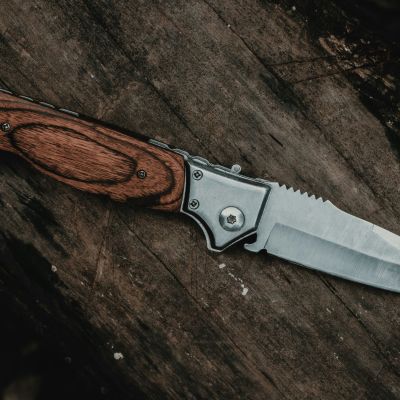
Words, a blade!
These are their words, their vision,
a blade that left a cut in my veins
By Abdullah Erikat
June 17, 2025
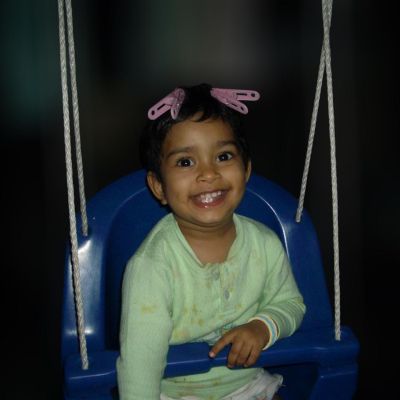
Of Words and Worlds
Words weren’t always needed – we were content in each other’s quiet company, letting stillness speak. It took me years to realise that their home was my first classroom, and love was the language we spoke.
By Taarina Therese Chandiramani
June 17, 2025
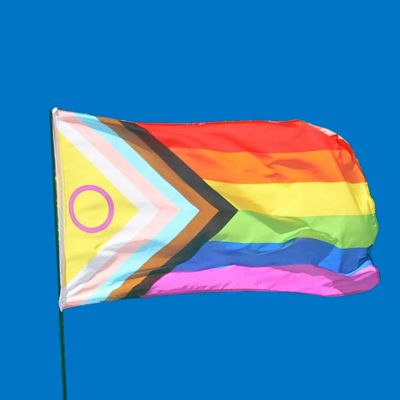
भाषा की ताकत – LGBTQIA+ पहचान और समावेशिता की दिशा में क़दम
भाषा सिर्फ अभिव्यक्ति का माध्यम नहीं है, यह पहचान, संबंध और संघर्ष का भी ज़रिया है। भाषा सामाजिक संरचना, पहचान और सत्ता-संबंधों को दर्शाने का भी औज़ार है।
By Imran Khan
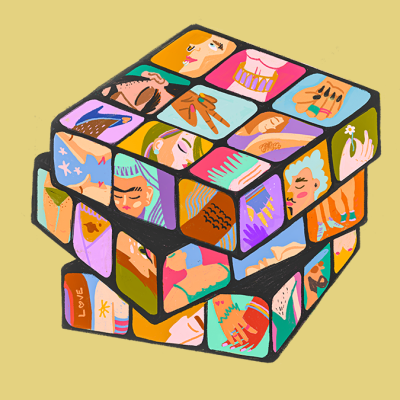
Editorial – Masculinities and Sexuality
It’s time to scrape off the thick dark crusts of carelessly slapped-on murky hues of toxic masculinities and to bring out the brushes and the paints to paint masculinities in their true and glorious colours of life, freedom and love.
By TARSHI
May 19, 2025
Meanings and Meaninglessness
Gender has perplexed me throughout life. I never quite understood femininity or masculinity much – I mostly lived in what other people thought I was. One thing I did know always is that I never, ever, want to be seen as a man. But can I still hold masculinity?
By Sudipta Das
May 19, 2025

Interview – Rumi Harish
My assertion of my gender was not because of masculinity, it was because of the feminism which I practised – and that gave me this chance to come back to what I was. To assert what I was and to assert what I am.
By Shikha Aleya
May 19, 2025
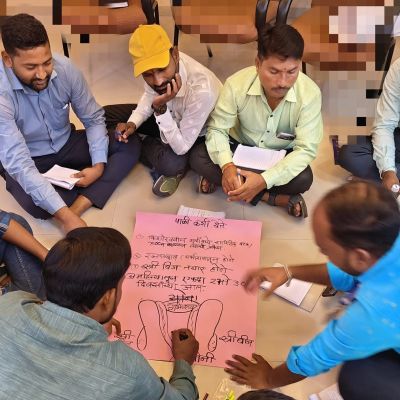
From Compliance to Critique: Localising Masculinity Work Through Feminist Praxis
…we must also address men’s relationships with their spouses, other men, women and children in the community, and importantly, their own emotional selves to transform fatherhood. Therefore, engaging with men as fathers must involve a holistic understanding of their socialisation, emotional world, and position within patriarchal structures.
By Anand Pawar
How Masculine Am I?
I have dealt with having a non-masculine body since the time I was a teenager. I have questioned my sexuality and how it interacted with my non-masculine body.
By Asim Mudgal
May 19, 2025

On Trans-Masculine Lesbianism: The Values in the Unintelligible
Unlike many trans-masculine people who identified as lesbians/tomboys/butch pre-transitioning, I refused to abandon my ‘lesbian’ identity post-transitioning. A negotiation that took time to flourish.
By Aranya Vadera
Not Quite Anything
He didn’t wear his identity on his sleeve, and therefore he seemed more real than most people who did.
By Taarina Therese Chandiramani
May 19, 2025
मर्दानगी को पोषित करती मान्यताएं
किशोरावस्था के दौरान जब हम अपनी यौनिकता से रूबरू हो रहे होते हैं, तब सामाजिक तौर पर हमे बताया गया जेंडर ही निर्धारित करता है कि हम अपनी पहचान कैसे बना रहे हैं जो ज़्यादातर मामलों में हमारी पूरी ज़िन्दगी को प्रभावित करती है।
By Naresh Kumar
May 19, 2025
क्वीयर मर्दानगी – पारंपरिक पुरुषत्व की सीमाओं को चुनौती
क्वीयर मर्दानगी एक वैकल्पिक मर्दानगी है जो पितृसत्तात्मक और विषमलैंगिक मानदंडों को अक्सर चुनौती देती है और मर्दानगी के स्वरूप को अधिक समावेशी बनाती है।
By Imran Khan

दो कविताएँ
दो कविताएं – हवेली आधुनिकता के आवरण में क्षयग्रस्त पारंपरिक पुरुषत्व को दर्शाती है, जबकि चारपाई कठोर और लचीली अभिव्यक्तियों के बीच विरोधाभास प्रस्तुत करती है, जहां जो जिस चारपाई पर बैठते हैं, उसके गुणों को अपनाते हैं, जो भिन्न-भिन्न पुरुषवादी पहचानों का प्रतीक है।
By Sakshi Nain Bishnoi
May 19, 2025
क्या यही एक आदमी को उसके सर्वश्रेष्ठ रूप में परिभाषित करता है
पितृसत्तात्मक समाज में, पुरुषत्व एक विशेष प्रकार के व्यवहार के रूप में प्रकट होता है, जैसे नियंत्रण करना और हावी होना, अक्सर हिंसक तरीकों से।
By Saswati Chatterjee and Pauline Gomes