Sexuality

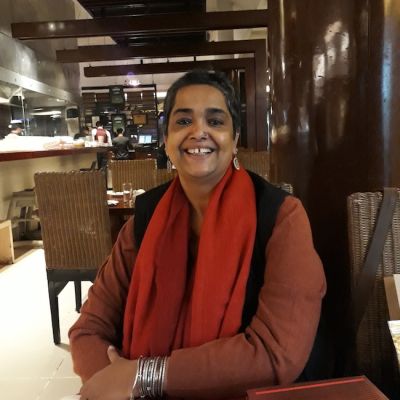
Interview: Pramada Menon: Why do families occupy so much of our headspace?
Pramada Menon is a queer feminist activist who ponders about all matters she thinks are complex. When not pondering and…
By Radhika Chandiramani
December 1, 2014
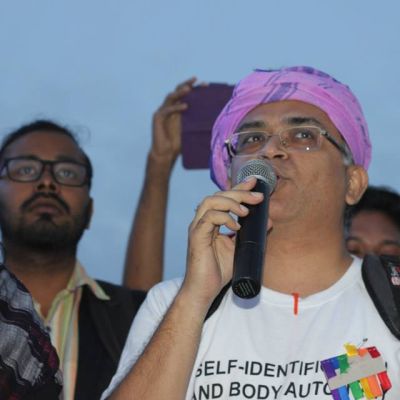
INTERVIEW: PAWAN DHALL ON HIS OWN JOURNEY OF BUILDING COMMUNITIES – PART 2
Shikha Aleya: What are some of the biggest barriers you have faced in your efforts to create dialogue and visibilise…
By Shikha Aleya
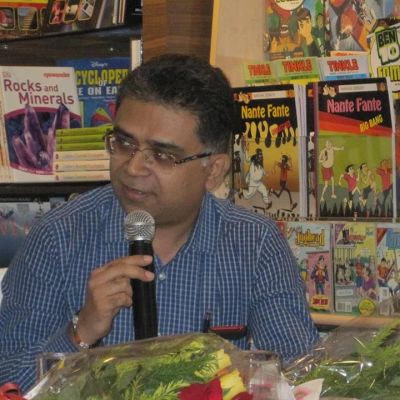
Interview: Pawan Dhall on his own journey of building communities – Part 1
In this issue of In Plainspeak, we interview Pawan Dhall, Founding Trustee of Varta Trust, queer activist, writer and social researcher. He is also the editor of the Varta webzine, promoting and sustaining dialogue on gender and sexuality, across diverse groups of people. As Pawan says, “We are all strung together on a spectrum of gender and sexuality, and we don’t have to be fixed at a single point on the spectrum throughout our lives.”
By Shikha Aleya
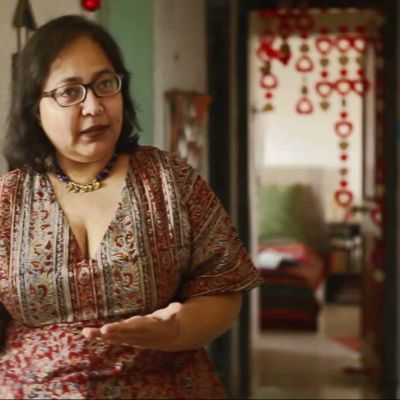
Interview: Paromita Vohra – Part II
In a two-part interview with TARSHI, Paromita Vohra tells it to us as only she can: frank, articulate and free of male cow poop!
By TARSHI Team
August 14, 2018
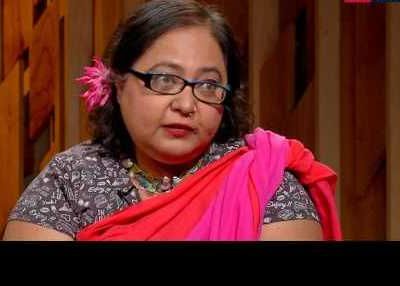
Interview: Paromita Vohra – Part I
In a two-part interview with TARSHI, Paromita Vohra tells it to us as only she can: frank, articulate and free of male cow poop!
By TARSHI Team
August 1, 2018
Interview: Paromita Vohra – Part I
In an interview with TARSHI, Paromita Vohra tells it to us as only she can: frank, articulate and free of male cow poop!
By TARSHI Team
January 2, 2019
Interview: Nidhi Goyal
Nidhi Goyal is a gender and disability rights activist from Mumbai, India. Anisha Dutt: Your journey as a disability and gender rights activist…
By Anisha Dutt
June 1, 2015
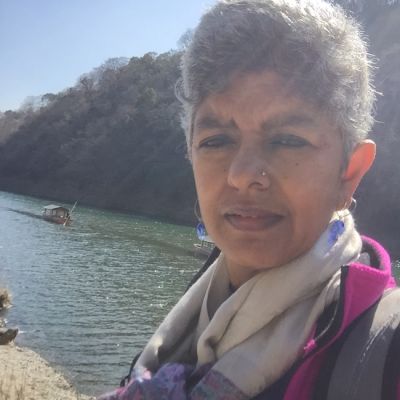
Interview: Nandini Rao
Feminist, activist, writer, counsellor and trainer, Nandini Rao, focuses on issues of gender-based violence and discrimination, sexuality and disability and on incest and child sexual abuse.
By Shikha Aleya
May 1, 2018
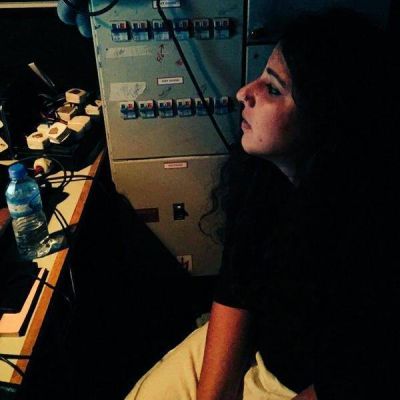
Interview: Namita Aavriti
Namita Aavriti, writer, lawyer, feminist, and coordinator and editor for GenderIT.org, focuses on issues related to gender, ICT and internet rights. Namita is also the co-curator and organiser of the Bangalore Queer Film Festival (BQFF).
By TARSHI
July 1, 2019
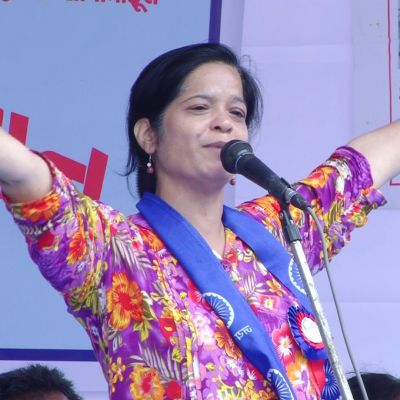
Interview: Manjula Pradeep
Manjula Pradeep is a lawyer and former Executive Director of the Navsarjan Trust, a grassroots organisation working to empower Dalits…
By Sonia Dhawan
October 3, 2017
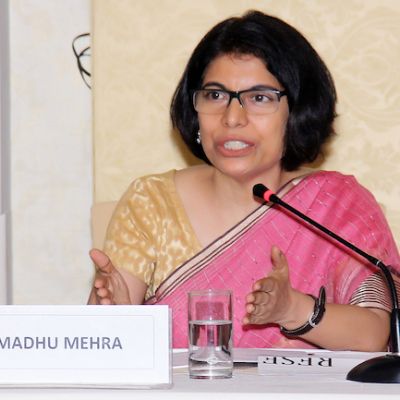
Interview: Madhu Mehra – Part 1
In this issue of In Plainspeak, we interview Madhu Mehra, lawyer and feminist activist. She is a founding member and the Executive Director of Partners for Law in Development (PLD), a legal resource group on women’s rights.
By Shikha Aleya
July 2, 2018
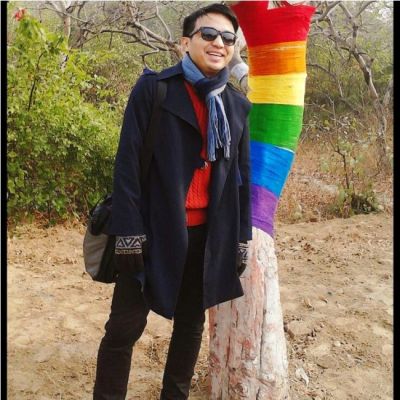
Interview: Kumam Davidson
Co-founder of The Chinky Homo Project, a digital and print queer anthology from North East India, Kumam Davidson talks about growing up in the shadow of insurgency, his writings, and his worry that “in 2019 even after Section 377 has been partially revoked, I continue to grapple with questions of intimacy and sexuality here in my state.
By Shikha Aleya
February 1, 2019
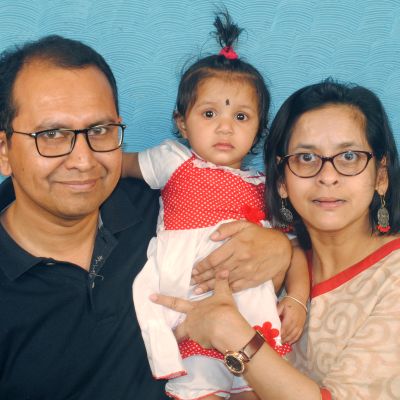
Interview: Jeeja Ghosh
Jeeja Ghosh is a disability rights researcher and activist, feminist, parent, writer, scholar and trainer. Her lived experience of disability, and of standing up against discrimination and injustice, is at the core of her work and insights. Shikha Aleya interviews Jeeja about mobility across divides other than the physical.
By Shikha Aleya
August 1, 2019
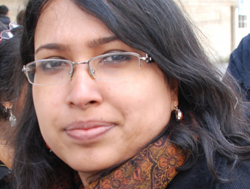
Interview: Dr. Payoshni Mitra
Dr. Payoshni Mitra, a researcher, activist and writer working on gender issues in sport in India with special emphasis on intersexuality…
By TARSHI Team
September 1, 2014