relationships


Editorial– CSE and Affirming Ecosystems
CSE’s ‘natural habitat’ is often considered to be the classroom, but as our contributors show us, CSE also lives, breathes and thrives in habitats as disparate as neighbourhood parks, jobs-training centres, playgrounds and sports fields, law schools, family discussions, and digital spaces.
By TARSHI
December 16, 2025
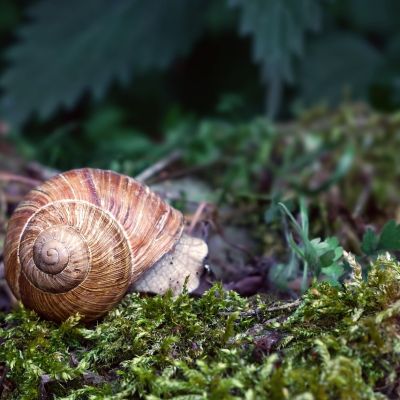
Editorial: Vulnerability and Sexuality
Vulnerability – is it a condition we find ourselves in? A state of being we choose? Let’s keep it very simple: it depends on the approach we take to defining it. In the former approach, we are ‘done to’, while in the latter we are consciously ‘doing’.
By TARSHI
April 19, 2021
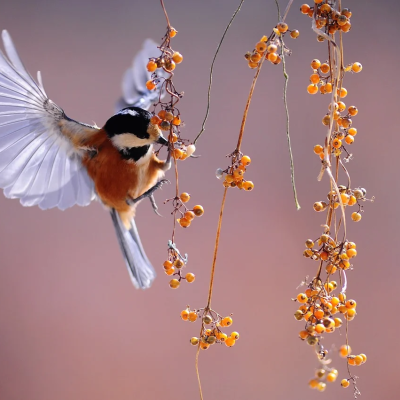
Editorial: Singlehood and Sexuality
In this issue of In Plainspeak our contributors reflect on and reveal the myriad facets of being single – is it a choice? A condition? A state of being? Lonely? Joyful? Not one or the other, but a glorious mix?
By TARSHI
February 15, 2021
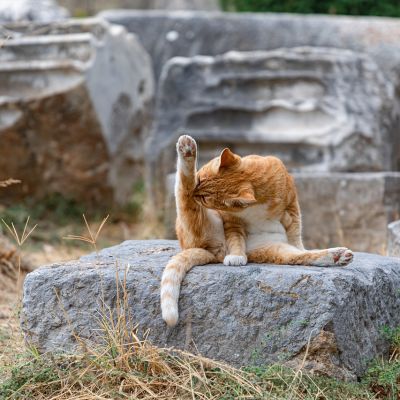
Editorial: Sexuality and Self-care
Continuing with our theme of self-care being about sustaining ourselves, our work, our movements, keeping the fires lit, and relating with love to ourselves, in our mid-month issue we bring you more articles looking at self-care from different perspectives – individual, queer, activist, collective, organisational, not necessarily separated, or in this order, of course.
By TARSHI
July 19, 2021
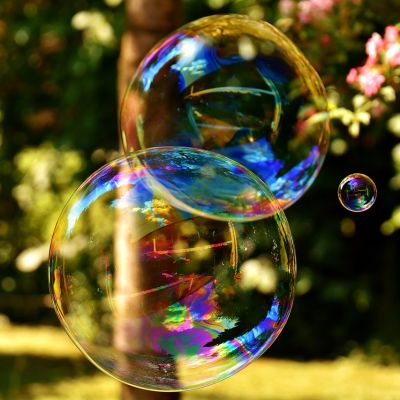
Editorial: Sexuality and Pleasure
Fragile and fleeting like soap bubbles, pleasure shines with many colours. But its iridescence is frightening for many. Perhaps because its colours change in unpredictable and uncontrollable ways, and though fragile and fleeting, it is a world in itself
By TARSHI
February 17, 2020
Editorial: Representation and Sexuality
We are, all of us, trying to hold steady, and to hold space for each other and for ourselves. And so, instead of trying to put together a collection of ‘all new’ articles, this time we are republishing some ‘ever fresh’ ones on the theme of Sexuality and Representation.
By TARSHI
June 15, 2021
Editorial: Disability and Sexuality
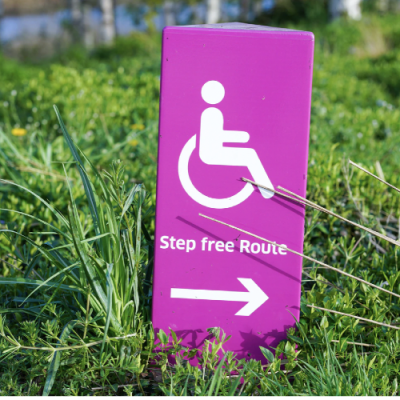
Both sexuality and disability are complex terrains, offering a realm of possibilities that are often made unnecessarily complicated and unattainable by the mental maps we draw of them and the artificial barriers we erect.
By TARSHI
August 16, 2021
Editorial: Dating and Sexuality
Searching for and then finding and connecting with others, dating, and then possibly, romancing them, are activities and experiences that…
By TARSHI
May 15, 2020
Editorial: Anthology Issue – Wellbeing and Sexuality
Happy New Year! As 2021 begins and we are filled with a sense of hope and desire for better times, we resolve to find ways of sustaining ourselves while caring for others. And so, in this anthology issue we republish articles about wellbeing.
By TARSHI
January 4, 2021

Editorial – Narratives and Sexuality
Stories hold power. They shape how we understand the world, and if they are stories of distorted facts and falsehoods, they spread unease, discord and hatred. But stories also allow us to imagine other possibilities; they give us hope that we can overcome oppression and injustice.
By TARSHI
March 17, 2023
Editorial – Masculinities and Sexuality
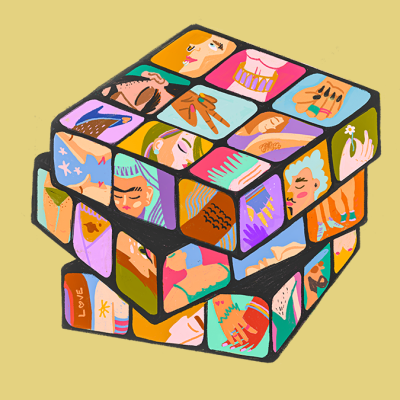
It’s time to scrape off the thick dark crusts of carelessly slapped-on murky hues of toxic masculinities and to bring out the brushes and the paints to paint masculinities in their true and glorious colours of life, freedom and love.
By TARSHI
May 19, 2025
Editorial – Digital Spaces and Sexuality
Digital entanglements transcend bodies, time, geographical borders and boundaries, influencing – and perhaps fundamentally changing – the ways in which we understand, explore and express our sexuality.
By TARSHI
December 18, 2023

Editorial – Digital Intimacies and Sexuality
We humans are sometimes able to squeeze kindness out of a stone. And love out of nowhere.
By TARSHI
March 17, 2026

Editorial – Commitment and Sexuality
Paths can loop back, spiral, zigzag, curve, twist and turn, or simply meander
By TARSHI
September 14, 2026

Editorial – Anthology Jan 2026
To remind us of what spaces that are safe, inclusive and self-affirming for each person could look like, we have curated a selection of articles from the last five years of In Plainspeak for this anthology – our gift to wish you a wonderful 2026.
By TARSHI
January 16, 2026