masculinities

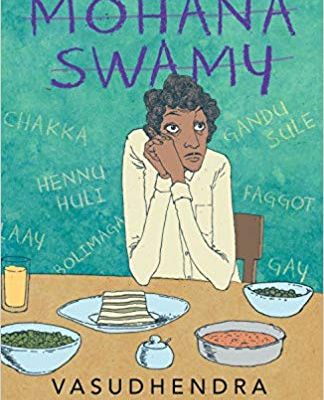
The Social Boundaries of Masculinity
The book is especially remarkable for readers of both Indian English and Kannada literature, for amplifying the voice of sexual minorities in Indian towns and villages.
By Abhiruchi Chatterjee
January 2, 2020
Editorial: Masculinities and Sexuality
In this mid-month issue we bring you some more interesting and intriguing articles on masculinities and sexuality starting with Mona Mishra’s thoughtful take on masculinities and vulnerabilities. Shikha Aleya interviews Daniel Mendonca who self-identifies as intersex and is a gender rights activist who engages with diverse groups of people in India and other countries to expand awareness, build empathy and foster an environment that is accepting of diversity.
By TARSHI
October 15, 2019

The Examined Life of Masculinities
The inability to correctly identify, express and soothe (all three without exception, and in no particular order) inner vulnerabilities and imperfections is the weakest link between asserting masculinities and being able to properly live their full potential.
By Mona Mishra
October 15, 2019
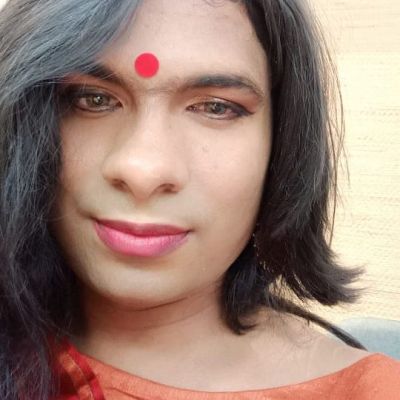
Interview – Daniel Mendonca
Shikha Aleya interviews Daniel Mendonca who identifies as an intersex person and is a gender rights activist who has engaged with diverse groups of people in India and other countries, to expand awareness, build empathy and foster an environment that is accepting of diversity.
By Shikha Aleya
October 15, 2019
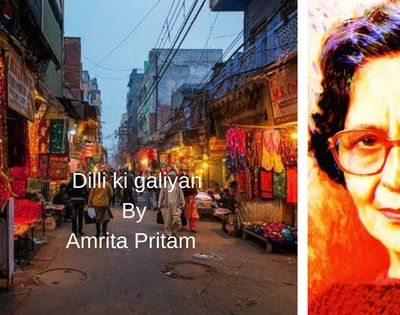
MeToo, Masculinity and Amrita Pritam
Dilli ki Galiyaan therefore offers us a broader canvas for our desires, than the one afforded by the clear cut binaries of our current debates. The text shows that there will be masculinities that we urgently need to discourage; while men who do not encourage us will continue to exist.
By Ishan
October 15, 2019
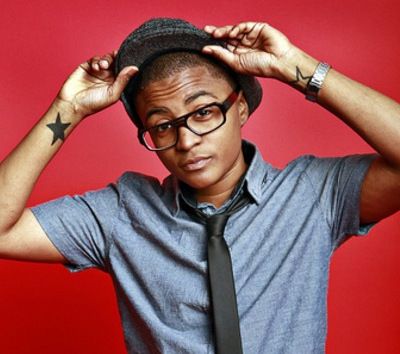
3 Ways to Rethink Masculinity as a Newly Masculine-Presenting Person
Being a man isn’t about domination, and it definitely isn’t about subjugation of feminine people. We need to find a way to re-frame masculinity so that it isn’t diametrically opposed to respectful and equal gender relations.
By Curated Content
October 15, 2019

पुस्र्षत्व का बोध – सूची की नज़र से
अस्वस्थ्य मर्दानगी या विषाक्त पुरुषत्व का हिंसक होने के लिए ज़रूरी नहीं है कि जाहिर तौर पर मौखिक या शररिक रूप से घातक हो। इसके लक्षण रोज़मर्रा के वार्तालाप या अंतरंग बातचीत से भी सामने आते है।
By Ashmeet K. Bilkhu
October 15, 2019

Review: Unbelievable
I believe that such mini-series as “Unbelievable” will help people have a better understanding of what women go through when they experience a horrific incident like rape or sexual assault.
By ElsaMarie D'Silva
October 15, 2019

उभयलिंगी देवत्व : कोलकाता की दुर्गा पूजा में ट्रांस-सेक्शुअलिटी का उत्सव
प्रतिमा का यह एक-चला रूप, जिसकी उपासना पहचान और पहचान की राजनीति से जुड़े क्विअर समुदाय के लोग करते हैं, जैविक सम्बन्धों और विषमलैंगिकता के विचार पर बनी परिवार की इस परिभाषा को चुनौती देता है।
By Kaustav Bakshi and Arnab Adak

Murderous Men: A Transnational Analysis of Domestic Violence, “Toxic” Masculinity and Patriarchy in India and the United States
As these correlations between gender development, physical violence and mass shootings come into sharper relief, the term “toxic masculinity” has become a staple of public discourse used to characterise men like Connor Betts, and even Sandeep Singh.
By Harjant Gill
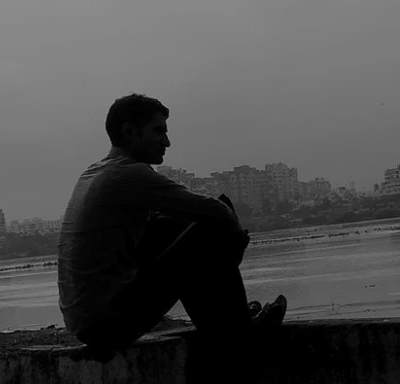
As a Transman, The Pressure to Fit in the Masculine Role is Immense
Masculinity once upon a time was just a word we studied in school, whose sole purpose was to differentiate binary gender in the society. Now masculinity is a criteria of a certain job that a person has to perceive to be called or termed as one.
By Curated Content
October 15, 2019
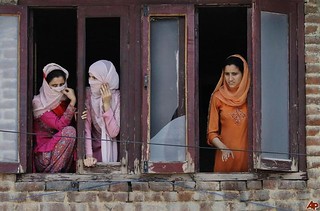
Between “Behanchod” And Article 370 Lies India’s Fragile Maculinity
The social contract of family becomes the sexual contract of the state, i.e. by placing women within the ‘domestic space’ under the ‘control’ of the ‘right’ kind of men. During partition this played out in the ‘reclaiming’ of the ‘abducted women’.
By dyuti
October 15, 2019

Feminist or Feminazi?
The use of terms that convert the movement for women’s empowerment into extreme militancy in order to reject the movement altogether is indeed a sombre example of diverting attention from the real problems that exist in society and projecting women’s protests against sexual crimes or standing up for their rights as one of “mob lynchings” or wrongly adducing the news of repealing “Adultery” as a move that allows women to have sexual relations outside of marriage.
By Sanya Talwar
October 15, 2019
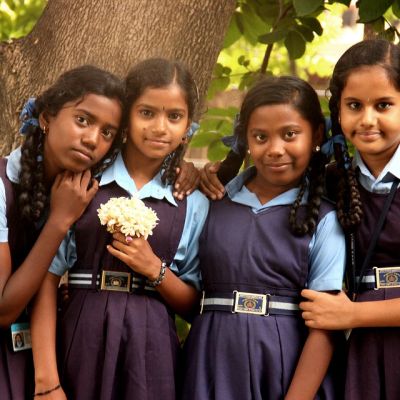
Let’s Get Uncomfortable: How The Control Of Girls’ Sexuality Is Everybody’s Business In The World Of Child Marriage
This immense pressure to perform masculinity throughout each day and night not only impacts men’s wellbeing, but it also inevitably impacts the way they interact with the world around them. These interactions – this performance of control over oneself and others – reinforce the social norms and norms of power that drive gender inequality.
By Anne Sprinkel
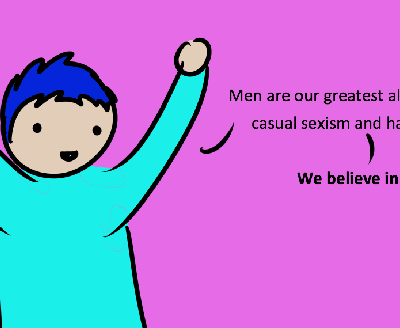
Brushstrokes: Harassment
Whether it is by checking harassment from fellow men, or by questioning one’s own internalisation of subtly sexist and harmful behaviour, there’s a whole range of ways to go about making a positive shift
By Curated Content
October 1, 2019