LGBTQIA


Love in May
My birthday is in May, a peak time of summer heat in the Awadh region of Uttar Pradesh. We knew that it was going to be hot, but did not have any idea of how bad it could get.
By Anahita Koshur
August 19, 2025

Lost and Found on the Internet: Reimagining Intimacy, Risk and Survival
Maintaining the streak meant maintaining contact
By Niv, Vanshika Gupta, Anjani Chadha
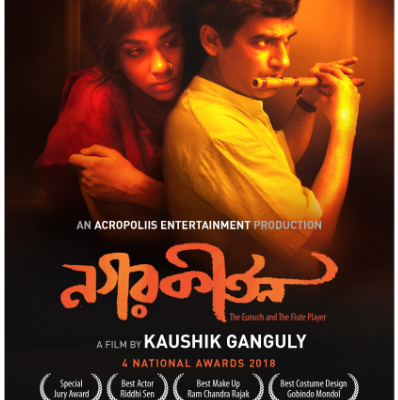
Locating the ‘Nagar’ in ‘Nagarkirtan’: Identifying the feeling of socio-sexual rootlessness in the Transgender community
The plot of the movie narrates the tale of the love that grows between two people who are struggling to survive in a world of rootlessness and are continuing to make a cosy home for themselves. The love between Madhu, who works as a food delivery boy, and Puti, who survives by singing at traffic signals, blossoms while they cross paths everyday at the traffic signal and the look that they exchange appears to us as if each of them is trying to find a home in the other.
By Ria Basu

Like Telling a Caged Bird to Soar Higher
Change those worlds, and sexuality stops echoing limits.
By Ratnaboli Ray
April 15, 2026

Languages of Love (and Sex)
I soon realised how central language is to our understanding of the world, and how language constitutes the limits and possibilities of our experiences and identities.
By Siddharth Narrain
July 16, 2025

Kun Faya Kun: Embodying Non-Conformity
For a queer person, or for someone who remains single by choice, everyday existence requires strength and will. That is the embodiment of kun faya kun as a personal philosophy: to manifest the person you want to be through sheer will.
By Ghausia Rashid Salam
February 1, 2021
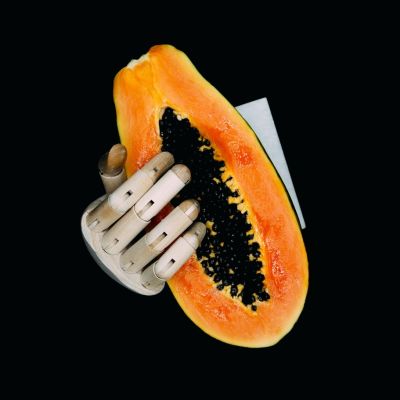
Journey from Stigma to Pleasure
For a long time, female bodies were considered similar to male bodies, just shorter, and most research and medical trials focused primarily on the male body with the assumption that the same would work on the female body.
By Pooja Singh and Ramneek Banga
August 14, 2020
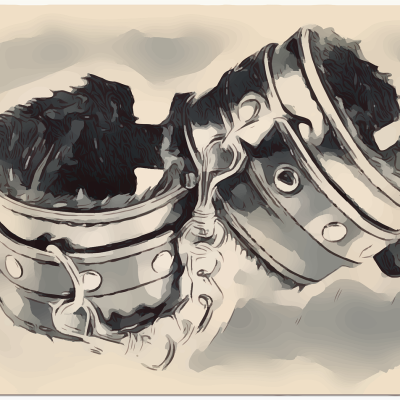
It’s not ‘just’ play!
Play is not only about cocks, balls, vaginas, paddles, or anything that happens between two consenting adults in the bedroom. It’s also about what goes on in a masochist’s mind before they submit to a cane, or a whip, and before they orgasm from the pain.
By Asmi
December 1, 2021

Issue in Focus: The Heart of Being
To chase down our own vulnerabilities around sexuality is a short run around the corner, five minutes ago, last night sleeping alone, with a lover, a partner who lost interest, the Insta post that leaves you feeling you’re not good enough for the hug, the kiss, the cuddle and are you perhaps the A of LGBTQIA+?
By Shikha Aleya
April 19, 2021
Issue in Focus: The Heart of Being
To chase down our own vulnerabilities around sexuality is a short run around the corner, five minutes ago, last night sleeping alone, with a lover, a partner who lost interest, the Insta post that leaves you feeling you’re not good enough for the hug, the kiss, the cuddle and are you perhaps the A of LGBTQIA+?
By Shikha Aleya
January 3, 2023

Issue in Focus
Expanding contexts give the word ‘movement’ different meanings and value. Physical, conceptual, technological, relationship, emotional, mental, power, knowledge, ability, access, may be amongst the contexts immediately identified.
By Shikha Aleya
May 3, 2022

Is Queerness Natural or a State of Mind?
My sexuality is not a testing ground for them to bet on.
By Writika Manocha
May 18, 2026

Interview: Ute Pauline Wiemer on Lovetreats and Sex
Ute Pauline Wiemer, along with her partner Balaji, founded Lovetreats in Bangalore in 2015. Lovetreats is an online retail space and discussion forum for people to buy intimate sexual wellness and health products as well as exchange ideas and learn about topics such as sexuality and intimacy.
By Anjora Sarangi
November 3, 2016
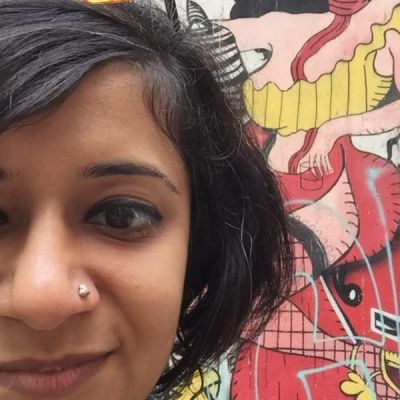
Interview: Shruti Arora
There may already be another organisation in the community to share resources with but for community-led initiatives, a shared perspective on Safe, Inclusive, Sexuality-Affirming (SISA) spaces is also important. Sometimes when the shared perspective is not there, that becomes a challenge.
By Shikha Aleya
January 3, 2022
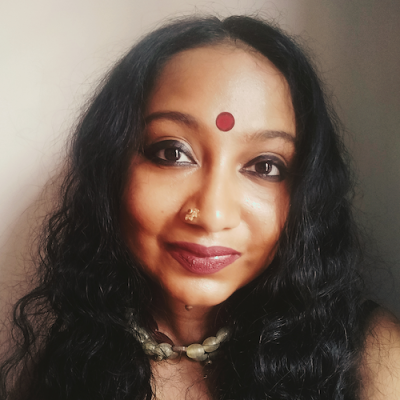
Interview: Sharanya Manivannan
If you are true to yourself, and attuned to your emotions and needs, you’ll invariably find that even a core belief (such as: not believing in the institution of marriage) is complicated by what the lived experience of that means (not only discriminatory experiences, but also intimate ones).
By Shikha Aleya
February 1, 2021