intersectional feminism

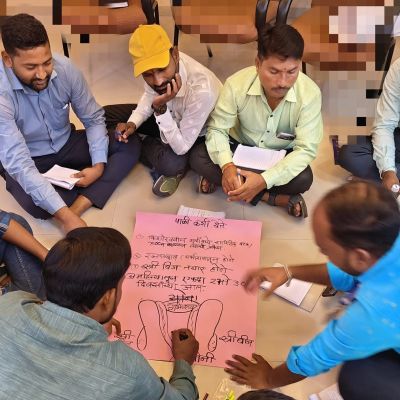
From Compliance to Critique: Localising Masculinity Work Through Feminist Praxis
…we must also address men’s relationships with their spouses, other men, women and children in the community, and importantly, their own emotional selves to transform fatherhood. Therefore, engaging with men as fathers must involve a holistic understanding of their socialisation, emotional world, and position within patriarchal structures.
By Anand Pawar

On Trans-Masculine Lesbianism: The Values in the Unintelligible
Unlike many trans-masculine people who identified as lesbians/tomboys/butch pre-transitioning, I refused to abandon my ‘lesbian’ identity post-transitioning. A negotiation that took time to flourish.
By Aranya Vadera
Editorial: Support Systems and Sexuality
Connection is essential for our survival – physical, mental, emotional and spiritual. We connect with people, form networks of care and support, and in a sense weave webs of safety and comfort that we can turn to when stressed or simply want to infuse a dose of joy into our day.
By TARSHI
November 16, 2020

Interview – Anahita Sarabhai
As a queer person, it’s hard not to think right away of chosen family. A term that has become relatively well-known by now, but not always understood I find. One of the primary support systems I personally, like many queer folx, depend on, are ones that we develop and nurture over time.
By Shikha Aleya
November 2, 2020
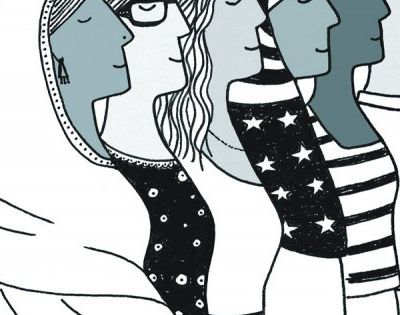
How I Found Inclusivity Within Feminism
I was focused on becoming the ‘perfect’ feminist, based on the stipulations of mainstream feminism. The result: a deeply narrow conception of feminism,and it would take years to unlearn the ‘black-and-white’ mentality and embrace intersectionality.
By Feminism in India
May 15, 2019
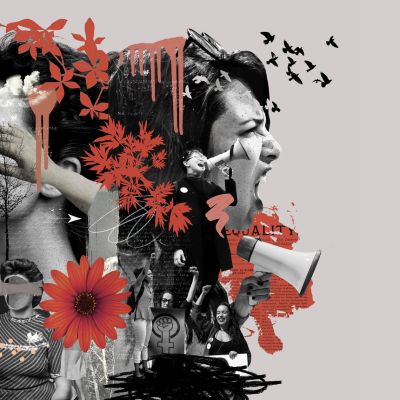
How #MeToo Revealed the Central Rift Within Feminism Today
In the media and in private life, conversations about consent, hostile environments and power began, and there was a growing acknowledgment that a man’s unwanted sexual overtures were a symptom of broader social and political forces.
By Curated Content