Gender


That’s What She Said
You don’t even realise what you’ve said until someone in the group, quick as lightning, hits you with the rejoinder, “That’s what she said!” As you’re trying to make sense of what just happened, the group dissolves into giggles.
By Tanvi Khemani
May 17, 2023
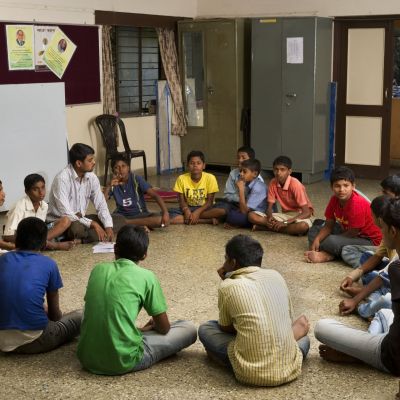
Ten Years of Changing the Script
Masculinity is like a script given to boys early in their lives. There is a constant pressure to fit into the box of toughness, and be silent and dominating. But what if we all rewrite this script?
By Urasmita Ghosh
April 17, 2025
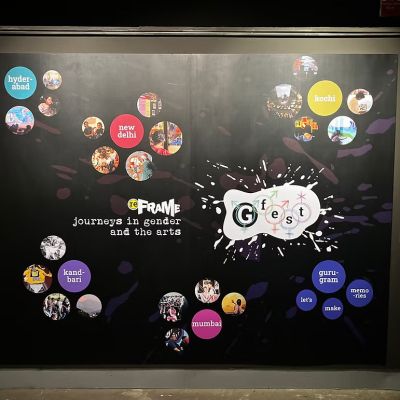
TARSHI at gFest, Gurugram
This exhibition covered themes such as gender roles and division of labour, migration and belonging, disability and queerness, and the lived experiences of women artists.
By TARSHI
November 19, 2024
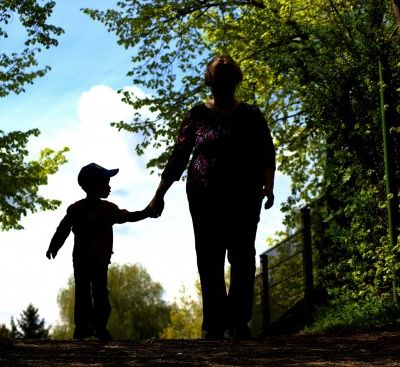
TALKING ABOUT GENDER AND SEXUALITY AS A FEMINIST MOTHER: IT ONLY GETS MORE COMPLICATED
“Mamma, look, that’s a boy giraffe, I can see his penis,” exclaims my four-year-old daughter in delight at her discovery…
By Shilpa Phadke
Sunflowers on a Frosty Morning
A few days ago, in a telephonic conversation with my mother, I was made aware of the inadequacies of my…
By Neel
September 19, 2022

February 17, 2026
Sports and Sexuality
When I first read the title of the September issue – Sports and Sexuality – I was a little taken…
By Aditi Rajgopal
September 1, 2014
Spinning Straw into Gold: Older Womxn Celebrate Sexuality and Spirituality
The most satisfying spiritual and sexual experiences I’ve had were not in my twenties, thirties or even forties. They have been in my 50’s. The most insightful spiritual insights, and the most orgasmic orgasms have both arrived in middle age.
By Nighat Gandhi
Snippets from the Indian LGBT Movement: Extracted from Records in SAATHII Calcutta’s LGBT Support Centre Reference Library
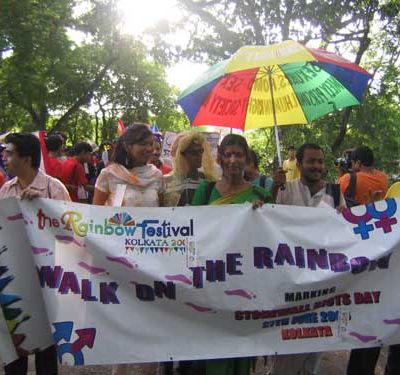
As an organized political movement the Indian LGBT movement is still quite young, having taken its first steps only in the early 1990s. However, it is not as if the movement started overnight. Rather it was a result of several visible and invisible developments taking place over the years in the world and Indian contexts.
By Curated Content
Sign Language, Language, Sexuality and Innovation
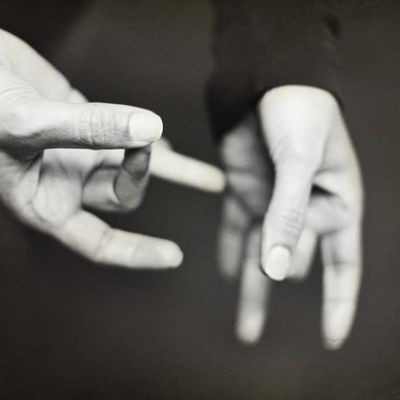
In a recent class, I asked Kanika and Tincy, our ISL teachers, how we could sign sexuality, and they asked, “How do you explain sexuality?” I wondered how I could sign ideas like attraction, pleasure, gender, values, and so on, but tried nevertheless, using my limited vocabulary, apologetic about being reductive.
By Vani Viswanathan
August 14, 2020

Shouldn’t The World Be Big Enough?
We live in a world where resilience is celebrated and given priority over attempting to resolve factors that force one to be resilient. Campuses shouldn’t aim to merely be inclusive of diverse individuals – they must strive to not only affirm them but also celebrate them.
By Mythili Menon
April 18, 2022
Shifting the Gaze: How women wish to experience desire
This awareness of the status ascribed to women – the status of being the objects of men’s desires – affects every aspect of a woman’s life. Desire then, in particular, becomes an aspect of a woman’s life where navigation becomes tricky.
By Gitanjali
March 17, 2023
Shifting the Gaze: How women wish to experience desire
This awareness of the status ascribed to women – the status of being the objects of men’s desires – affects every aspect of a woman’s life. Desire then, in particular, becomes an aspect of a woman’s life where navigation becomes tricky.
By Gitanjali
January 13, 2025

Sexuality in an Uncelebrated Body
Sexuality and its relationship with the self have always been confusing for me
By Gurveen Khanuja
May 18, 2026
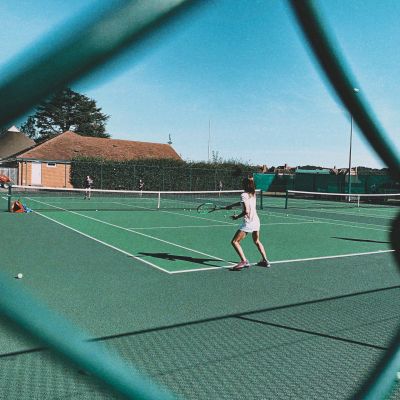
Serving Looks: Encounters with the Aesthetics of Tennis
I discovered that tennis is not only about having the privilege to buy a racquet and specialised tennis shoes and access a tennis court. It is also about how one performs and expresses oneself, requiring players to follow a particular aesthetic that enforces gender binaries.
By Chitrangi Kakoti
April 21, 2023