Gender


How to Have Good Sex?
During my interaction with students as a part of sexuality education classes in schools, one frequently asked question by boys is,“How to charm a girl?”
By Ramya Anand
September 4, 2018
6 Reasons Telling Women Their Power Is in Their Sexuality Is Not Empowering
This article was reposted from Everyday Feminism. December 14, 2015 by Suzannah Weiss One night, my college boyfriend, two of his female…
By Curated Content
Interview: Nandini Rao
Feminist, activist, writer, counsellor and trainer, Nandini Rao, focuses on issues of gender-based violence and discrimination, sexuality and disability and on incest and child sexual abuse.
By Shikha Aleya
May 1, 2018

TALKING ABOUT GENDER AND SEXUALITY AS A FEMINIST MOTHER: IT ONLY GETS MORE COMPLICATED
“Mamma, look, that’s a boy giraffe, I can see his penis,” exclaims my four-year-old daughter in delight at her discovery…
By Shilpa Phadke
Interview: Devdutt Pattanaik
Devdutt Pattanaik writes on relevance of mythology in modern times, especially in areas of management, governance and leadership. Trained in medicine, he worked for 15 years in the healthcare and pharma industries before he focussed on his passion full time. He is author of 30 books and 600 columns, with bestsellers such as My Gita, Jaya, Sita, Business Sutra and the 7 Secret Series.
By Shaifali Agrawal
November 1, 2017
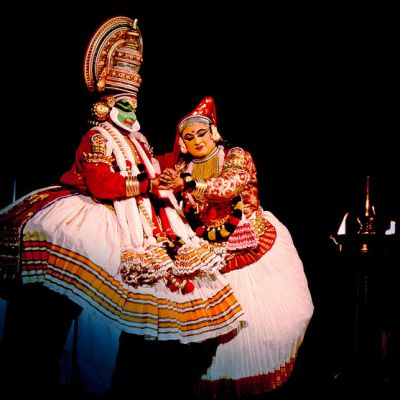
नृत्य और इच्छा की अभिव्यक्ति – देवदासियों से आधुनिक कथावाचकों तक का सफ़र
किसी शास्त्रीय नृत्य को देखने वाले एक आम दर्शक के रूप में मुझे लगा कि यह सब किस तरह से मुझसे और मेरे जीवन से सम्बद्ध है। इन नृत्य प्रदर्शनों में दिखाए जाने वाले कथानक अक्सर वे कहानियाँ होती है जिन्हें मैंने बचपन से सुना है फिर भी मुझे इसमें कोई विशेष रूचि नहीं लगती। लेकिन सुश्री रत्नम के दृष्टिकोण के आधार पर, पुराने कथानकों को आधुनिक रूप देने के उनके प्रयासों और किसी पुरानी परंपरा के लुप्त हो जाने पर दुःख प्रकट करने के स्थान पर नृत्य को एक नया रूप देने का के प्रयास को देखते हुए भरतनाट्यम और अन्य शास्त्रीय नृत्य अब और अधिक प्रसांगिक हो जाते हैं जिनसे आप आसानी से जुड जाते हैं।
By Shweta Krishnan
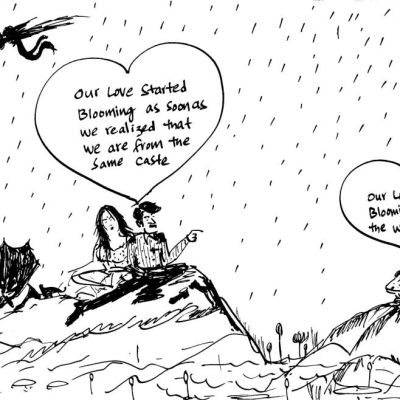
Brahmins preferred: The Caste of Sexuality
Advancing the most penetrative and succinct theory of caste, Dr. B. R. Ambedkar had this to say in 1916 when…
By Curated Content
October 16, 2017
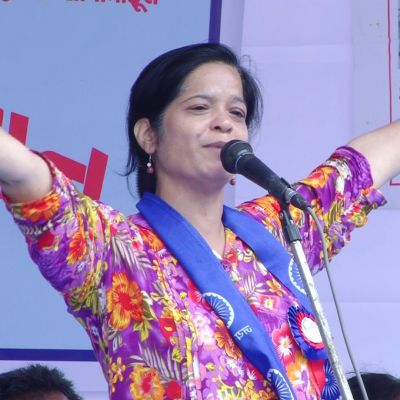
Interview: Manjula Pradeep
Manjula Pradeep is a lawyer and former Executive Director of the Navsarjan Trust, a grassroots organisation working to empower Dalits…
By Sonia Dhawan
October 3, 2017
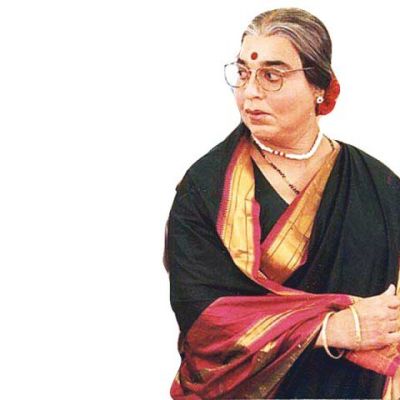
The Casteist Charsobeesi[1] of Chachi 420
Kamal Hassan has come to be quite a literal poster boy of all anti-caste memes lately. To reminisce about the…
By Swati Vijaya
October 3, 2017

Issue in Focus: Beyond Ramps and Restrictions
Accessibility begins with access, enabled or denied, to concepts and ideas. At the core, beyond the architecture of the real and virtual worlds, it is about the architecture of the ways in which this access is broadened, to not only accommodate, but to nurture, the myriad expressions of human minds and bodies.
By Shikha Aleya
August 3, 2017
On Being Gay and Muslim
My entire life has been a struggle of confused identities. I stood at the intersection of gay, Muslim and economic privilege.
By Aersh
July 15, 2017

Community and Sexuality: Learning a Politics of Unbelonging
After writing the words “Community and Sexuality” as the working title of this piece, I attempted to begin writing many…
By Chayanika Shah
Interview: Pawan Dhall on his own journey of building communities – Part 1
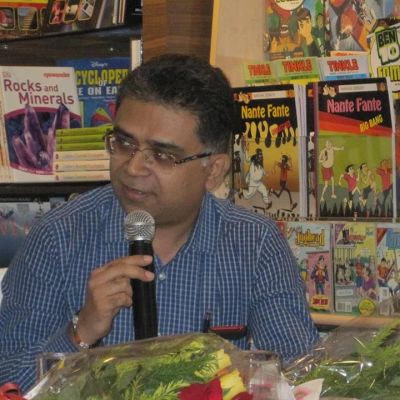
In this issue of In Plainspeak, we interview Pawan Dhall, Founding Trustee of Varta Trust, queer activist, writer and social researcher. He is also the editor of the Varta webzine, promoting and sustaining dialogue on gender and sexuality, across diverse groups of people. As Pawan says, “We are all strung together on a spectrum of gender and sexuality, and we don’t have to be fixed at a single point on the spectrum throughout our lives.”
By Shikha Aleya
The Paradox of Principles
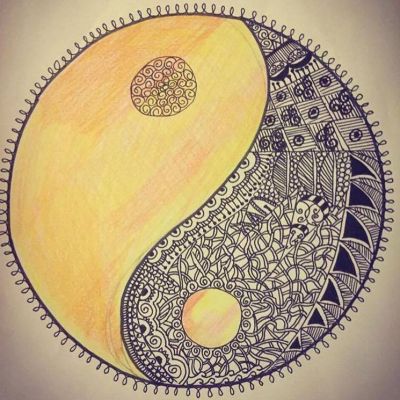
I do not feel the need to fight the feminist war within these spaces all the time, now that it has become my home. I have come to terms with the idea that certain contradictions can co-exist peacefully like the yin and yang. But still, sometimes, my mind is roiled in conflict, with me cautiously trying to balance my two identities – the feminist and the army officer’s wife. Nevertheless, I am unwilling to give up one for the other (even if I might be perceived as being less of one of them). So I continue to be an individual with two seeming contradictions: a feminist army-officer’s-wife!
By Ramya Anand
July 1, 2017
The Editorial: The Internet and Sexuality
Our desire to connect is perhaps one of the human aspirations that both Sexuality and the Internet serve. And with the Internet we now have new ways, unthought of even twenty years ago, of connecting with each other, and even at times with ourselves, finding aspects of our selves that we did not know existed.
By TARSHI
June 15, 2017