Body Image

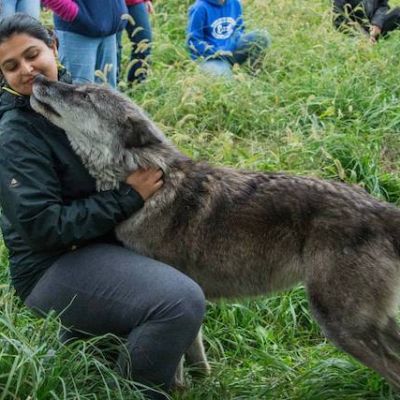
Interview – Raj Mariwala
Self-care is influenced by the environment we inhabit, the way we relate to others, the way we negotiate with other living beings or structures. Self-care is also interlinked with other types of care – whether that is in community resources, psychosocial support, engagement with medical and health care institutions, and of course in collective agency and solidarity.
By Shikha Aleya
January 3, 2023
Extra Large
“Large will not fit you.” / She is scoping me, up and down, eyes / Flicking fast and darting away…“Try extra-large instead.”
By Damini Kulkarni
January 3, 2023
The Chronicles of the Changing Room: Reclaiming the Cubicle of Doom
I pride myself on being a fast learner. Yet it took me an embarrassingly long time to realise that shopping,…
By Sanskriti Bhardwaj
September 19, 2022
High Heels and Loose-fitting Clothes: Movement Unfettered
As I reached puberty, well-meaning family members said that I should start being more ladylike; I believe that this is…
By Taniya Mondal
Editorial – Celebrating Sexuality
100 issues, 8 years! Thank you, dear readers and contributors! As we planned for this issue to put on our…
By TARSHI
March 15, 2022
Interview – This is what you bring to the table!
In this write up, we’d like to share a sense of what emerges from a compilation of these responses. This is based on the thoughts and feelings that come through for those of us here at In Plainspeak who have had the joy of reading the original responses as they came in to us. (Some of the quotations that follow have been slightly edited for flow and to help connect themes.) We know that most things in the realm of art, information and ideas lend themselves to a wide range of inferences and insights depending on the individuals making the inferences.
By Shikha Aleya
March 1, 2022
Editorial: Disability and Sexuality
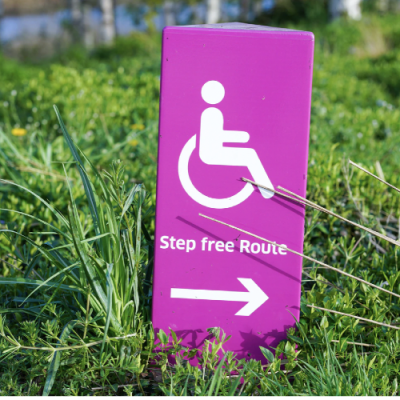
Both sexuality and disability are complex terrains, offering a realm of possibilities that are often made unnecessarily complicated and unattainable by the mental maps we draw of them and the artificial barriers we erect.
By TARSHI
August 16, 2021
Interview – Srinidhi Raghavan
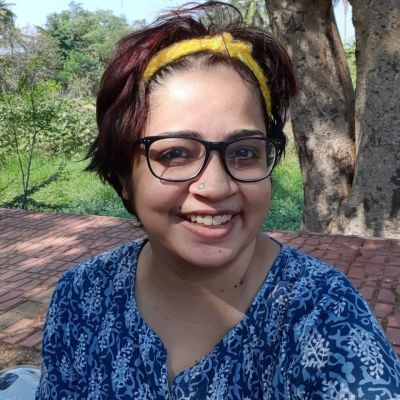
Disabled people might not have many spaces where they can speak openly about their sexual experiences or even sexual curiosity. There is a heavy monitoring of disabled young people especially, and this can mean that exploration, which is often how many of us discover sexuality, can be limited. Moreover, since the experiences of disabled people are not seen in popular media such as films, we can (and probably do) imagine we will have the same or similar experiences as non-disabled people – which is often not possible.
By Shikha Aleya
August 2, 2021
Camouflage
I cannot let anyone see the stretch marks, the cellulite, the saggy breasts. I cannot reveal my hideous body. I feel anxiety well up inside me even as I visualise this eventuality. I read about ten ways for a fat person to have meaningful sex. I learn that throwing a cloth over the bedside lamp will help hide my flaws.
By Sharada Vinod
August 2, 2021
Violation of Sexual and Reproductive Health Rights (SRHR): Where are the Women With Disabilities?
What vindicates the argument that women with disabilities (WWDs) should be deprived of sexual and reproductive healthcare and rights is scary. Harmful stereotypes of WWDs include the belief that they are hypersexual, incapable, irrational and lacking control. These narratives are then often used to build other perceptions such as that WWDs are inherently vulnerable and should be ‘protected from sexual attack’.
By Smruti
Despite all odds
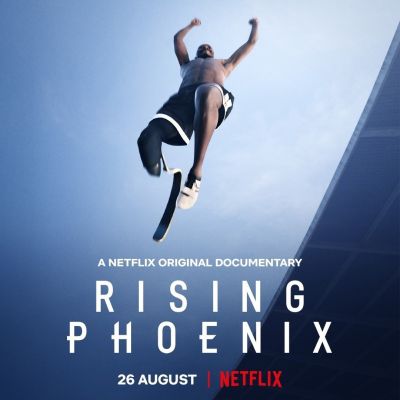
In the spirit of the Games, I watched the Netflix film Rising Phoenix which documents the history of the Paralympics and its impact on the world in making visible the topic of disability. It also tracks the personal and professional journey of some of the top Paralympic athletes who share their challenges, frustrations and motivations.
By ElsaMarie D'Silva
August 2, 2021
Brushstrokes: Who We’re Leaving Out of Sex Positivity – And How to Make It More Inclusive
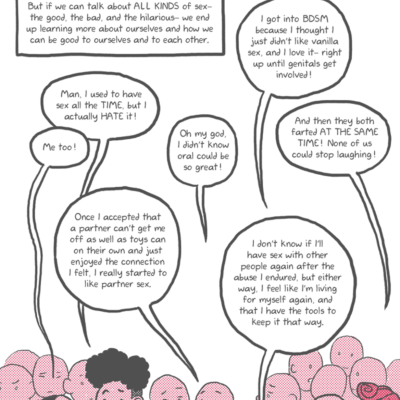
Everyday Feminism’s comic illustrates the complexity and diversity of sexuality, revealing how sex can sometimes be pleasure-affirming and sometimes not, and asks us to talk about ALL KINDS of sex – the good, the bad, and the hilarious.
By Curated Content
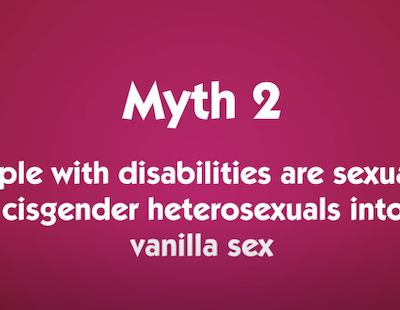
Video: Disability and Sex
Dr. Lindsey Doe debunks myths around disability and sexuality, at once carving out space for affirming and inclusive discussions and challenging negative and harmful stereotypes. Emphasising the sexuality of people with disabilities as rich and diverse, Lindsey wonders what inclusive sexual and reproductive health and rights really mean.
By Curated Content
August 2, 2021
Editorial: Sexuality and Self-care
Continuing with our theme of self-care being about sustaining ourselves, our work, our movements, keeping the fires lit, and relating with love to ourselves, in our mid-month issue we bring you more articles looking at self-care from different perspectives – individual, queer, activist, collective, organisational, not necessarily separated, or in this order, of course.
By TARSHI
July 19, 2021
Who would we be if we weren’t trying to survive? A Conversation on the Survival Myth
What does it mean to hold space and extend compassion to ourselves and our communities? Rachel Cargle reminds us to ask ourselves: who would we be if we weren’t trying to survive? Similarly, what would care and vulnerability look like if we weren’t trying to survive? The anarchy of queerness constantly and necessarily resists the capitalist engineering of the Survival Myth: one that wants us to endure an isolated life instead of embracing it with the radically transformative joy of togetherness. Caring for yourself precedes, succeeds, and exists alongside caring for the collective.
By Rukmini and Soumya