Voices

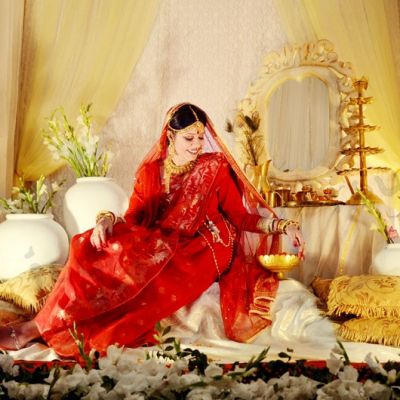
On the Rights of Women in ‘NRI’ Marriages
Often, these marriages are performed in great haste as the groom comes to India for a short holiday. In their enthusiasm to clinch, what appears to be a highly desirable marriage alliance, which will open up new opportunities, exposure and happiness to their daughter, the parents may throw caution to the wind and seal the match.
By Flavia Agnes
September 1, 2016
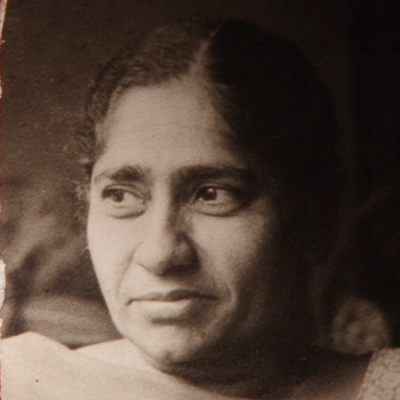
Partition Stories: The Time My Grandmother Carried Ghalib Across the Border
When rumours of the Partition spread, many families began leaving their homes and moving out. How the Hindus and Sikhs behaved there (in what was to be India), Muslims did the same things here (in what was to be Pakistan). They would say, ‘Let’s go loot!’
By Surbhi Dewan

Picking Pockets: Why Functional Clothing Matters for Feminism
The link between women’s clothing and patriarchy is important to acknowledge and understand if we are to address some pertinent questions around women’s agency and ability to exercise control over their choices, bodies and sexuality – questions that feminists around the world, including in South Asia, continue to struggle with.
By Kristin Francoeur and Surabhi Srivastava
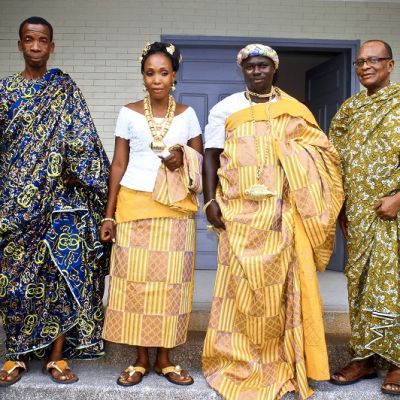
The Various Hues and Hemlines of African Women’s Attire
Sub-Saharan Africa itself is very diverse. There are Muslims, Christians and people whose cosmological beliefs and practices hark back to the thousands of years before the arrival of the monotheistic faiths. South Asia has also had some cultural impact, particularly in Eastern, Central and Southern Africa. Against this general background, it is not surprising that notions of feminine modesty, which influences the regulation of dress, vary across regions and religious traditions.
By Edward Kannyo
August 2, 2016

Extra Large
“Large will not fit you.” / She is scoping me, up and down, eyes / Flicking fast and darting away / From the roundness of my breasts / To the happy jiggle of my thighs.
By Damini Kulkarni
August 2, 2016
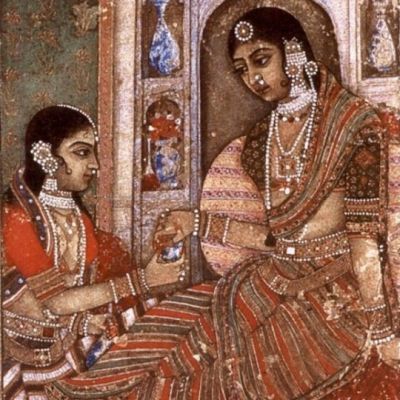
Dressing Up Without the Dressing-Down
Then came a time when this small-town simple Sati Savitri-esque girl moved to a big city. Sucked into city fashion, she couldn’t resist skirting sinful hemlines and being trapped in T-shirt tapestry. All her sanctity theories about clothes were thrown in the trash for good. In the process, she happily shed her desi avatar by shedding her saris and proudly embraced the ‘modern’ attire.
By Ramya Anand
August 2, 2016

I Walked Out in My Night Dress
There it was the road I was looking for, / Where I walked in my night dress / under the morning sun, / with no sleeves and no legs / with no bra and no shame.
By Tanya Sharma
August 2, 2016

The Real Reasons Why There Are Few Great Women Scientists
While an increasing number of women are opting to enter the field of science, very few end up securing top positions in research or administration. For instance, in premier research institutes such as the Tata Institute of Fundamental Research, Indian Institute of Technology, and Indian Institute of Science, women constitute a meagre 10-12% of the faculty. The report attributes this ‘glass ceiling’ that women encounter within the workplace to the social pressures of having a family and the burden of child care.
By Pooja Paul
The (Pseudo) Science of Not Trusting Women
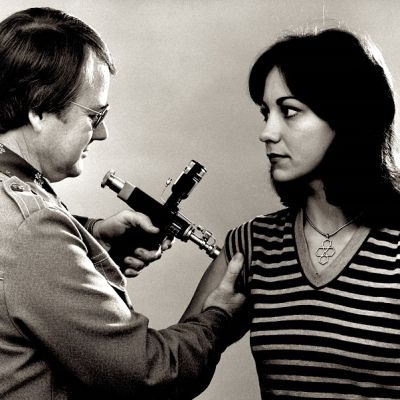
Medical abortion is a threat to scientific authorities because it is technology easily used without the help of a medical provider. Since there is doubt that women will use the drug safely without supervision (even though they did it before and are still doing it), some think the kinder option is to remove their opportunity to fail.
By Kristin Francoeur
July 1, 2016
Of Shame, Silence and Technological Innovations
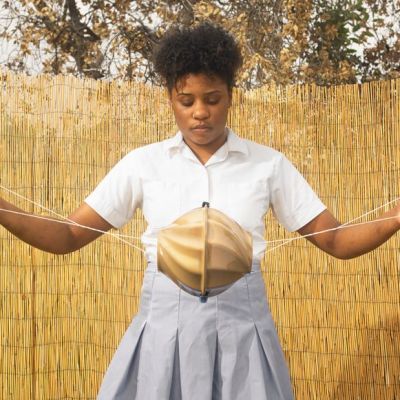
A movement back to reusable cloth pads or even towards the use of menstrual cups aims not only to create ways of dealing with menstruation that are healthier for the body and the environment, but also to open up a dialogue regarding the taboos and inhibitions regarding menstrual blood that stem from culture as well as paid media.
By Oshin Siao Bhatt
July 1, 2016

Surrogacy: A Gift for Whom?
The two people involved in the transaction of surrogacy occupy different positions of power. The surrogate who bears the child is not a woman with similar economic and social standing as the one who receives the child.
By Ashima Mittal
July 1, 2016
Of Braille, Fighter Pilots and a Sexuality-Informed Approach to Science
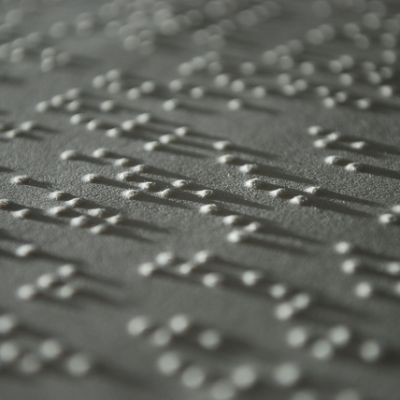
I spent time reading up the basics of gender-neutral design to understand the connect between science, society and gender. Sometimes, some people try to prove that there are ‘scientific’ reasons for inequality and injustice, for depriving one set of people of the same choices and opportunities that another set of people enjoy. This is not true. Times are changing. ‘Biased technologies’ are being altered.
By Shikha Aleya
Illegally Adult: The Strange Case of Alisha Major
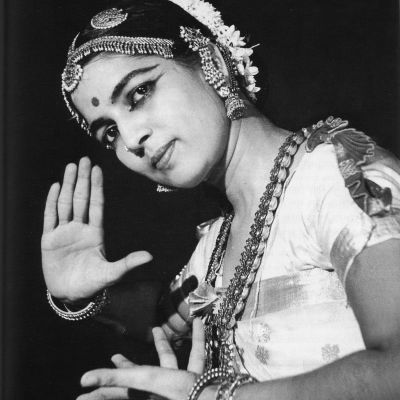
She was 17 when she was rescued from a dance bar. Now she’s 18 and she wants to go back. As an adult. And dance again. That’s what Alisha wrote in a letter to the Child Welfare Committee.
Alisha’s letter may be one of a kind. It doesn’t matter. It may even be a scam of sorts, in that she was pushed to write it. Doesn’t matter. What’s interesting is the jumble that it throws up, if you look at her choices through eyes that are not hers.
By Bishakha Datta
June 17, 2016
Kink and Friendship
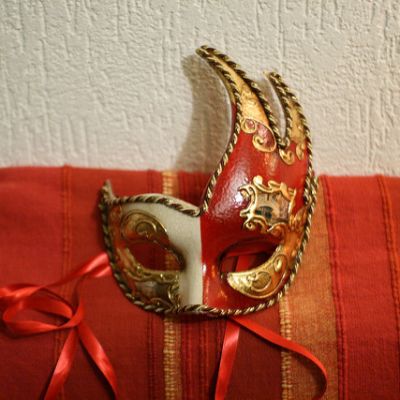
My sexual desires may not be what certain people called ‘normal’ and I could not share this with my so called friends as I thought they would consider me weird. Surprisingly a woman in my hometown introduced me to the world of Kink. She was a regular housewife and with her for the first time I got to know what I actually needed and wanted and it went on for a good amount of time till I moved out of that place for many reasons.
By Sig
May 16, 2016
What Does a Feminist Relationship Look Like?
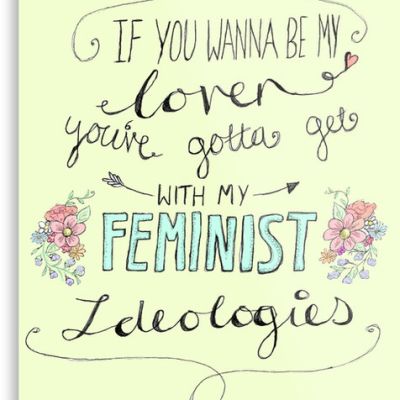
Feminist critiques are often critiques of relationship structures: marriage, the joint and nuclear family, monogamy, and heteronormativity. Patriarchy, fundamentally a system of inheritance, finds a natural home in these structures.
This is why I’ve often wondered: how do feminists imagine and navigate romantic relationships? Do they have to constantly be thinking about and watching out for the many ways in which power, privilege, autonomy and entitlement manifest in their relationships and dating culture? It seems rather unromantic to do so.
By Moulshri Mohan
May 16, 2016