Interview

Interview – Suchitra Dalvie
Getting to know who I really am has been a game changer. Prejudice, anger, control and violence all emerge from fear.
By Shikha Aleya
May 16, 2024
Interview – Srila Roy
“Questions of difference should not be a cause for despair. There are examples from history and our own lives that show how we can connect across difference and stand in solidarity with one another…”
By Shikha Aleya
December 12, 2022
Interview – Sadhana Vohra
Sadhana Vohra is a psychotherapist in private practice in New Delhi, India. She divides her time between long hours at…
By Radhika Chandiramani
January 11, 2024
Interview – Reetika Revathy Subramanian
… climate change is not just environmental. It is social, political, economic, emotional. And it demands that we listen carefully to who is affected, how, and what they are already doing to survive.
By Shikha Aleya
August 19, 2025
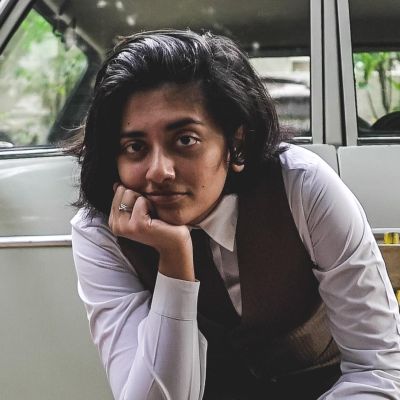
Interview – Prarthana Prasad
Entertainment should aim to inspire, comfort, reflect and express. Even if something violent earns big at the box office, it doesn’t justify its creation.
By Shikha Aleya
February 15, 2024
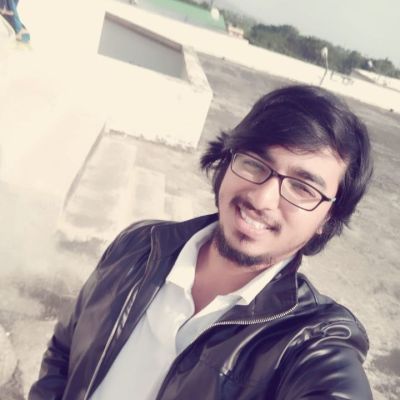
Interview – Prakash
“I feel that connection is the survival language of the LGBTQIA+ community. The sense of a common struggle makes way for developing quick yet lasting connections among the community…”
By Shikha Aleya
November 15, 2022
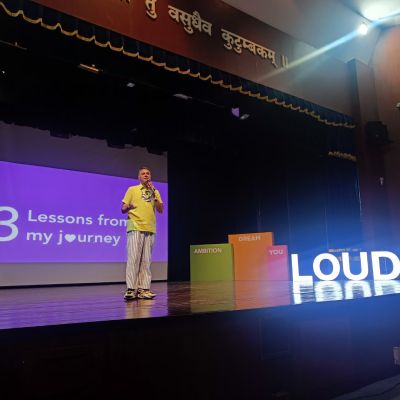
Interview – Parmesh Shahani
The larger question is, who gets to bring all of themselves to the workplace, and who is either not allowed, or feels scared, or is bullied for doing so?
By Shikha Aleya
September 18, 2024
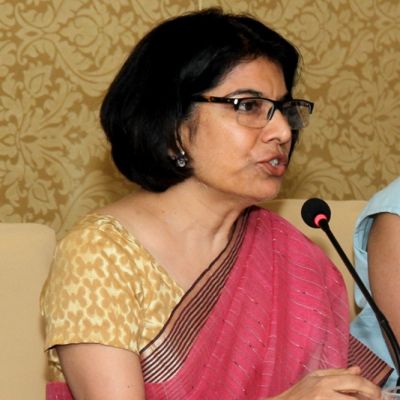
Interview – Madhu Mehra – Part 2
I think that the level of power that law makers, opinion builders and stakeholders wield over the more vulnerable and younger people in society is enormous. Yet, these actors have chosen to focus only on building a policy regime of sexual violence, even to the extent of allowing juvenile offenders to be treated as adult accused – without any corresponding effort to build a sex positive culture within which they may exercise agency.
By Shikha Aleya
July 16, 2018
Interview – Kiran Deshmukh
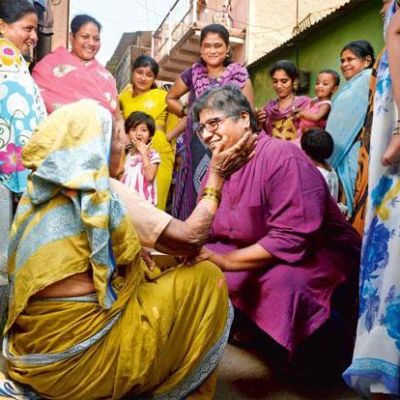
किरण देशमुख वैम्प प्लस की अध्यक्ष हैं। हमने एचआईवी एवं यौनिकता के विषय पर किरण के साथ ईमेल के द्वारा…
By TARSHI Team
December 15, 2015

Interview – Dr. Sangeeta Saksena
Lived experience cannot be overlooked. It is the ultimate teacher.
By Shikha Aleya
December 16, 2025
Interview – Dr. Ketaki Chowkhani
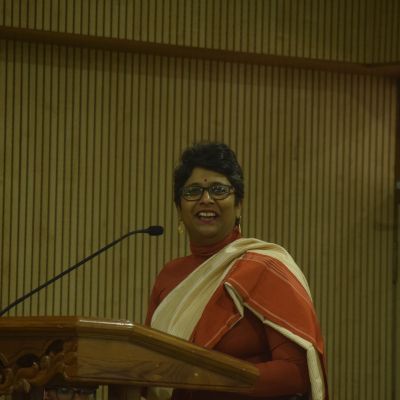
I feel that parents, teachers and CSE can make room for these disparate realities of adolescents by first acknowledging the limits of formal sexuality education, that the curriculum imparted formally fails in providing the kind of learning that happens through other sources.
By Shikha Aleya
December 18, 2024
Interview – Deena Mohamed
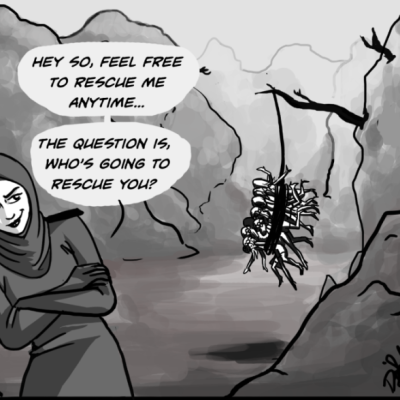
Deena Mohamed, Egyptian artist, illustrator and designer, speaks to us about her art and her perspective on politics, patriarchy, feminism, and gender and sexuality.
By Shikha Aleya
December 3, 2018
Interview – Chand
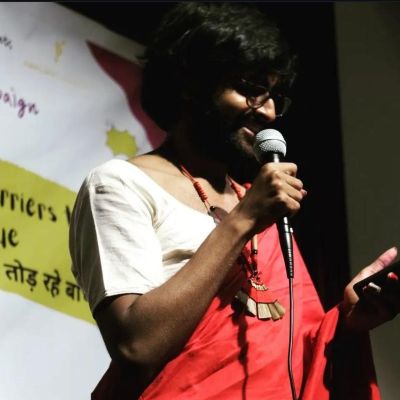
Safe spaces in the way that they often circulate are depoliticised and the assumption is that there won’t be any conflicts, but there can be no safe space without an exchange of ideas, which will create some bad feelings leading to conflict.
By Akshita Singh and Pragya Solanki
November 19, 2024
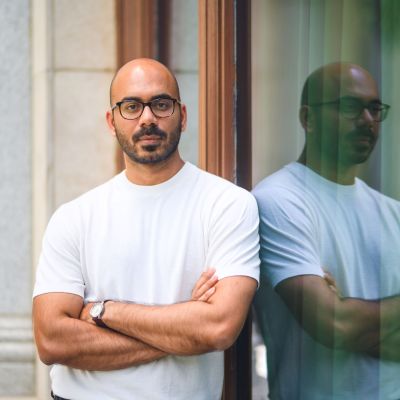
Interview – Ankur Paliwal
Queering to me is thinking, being, living and loving outside societal norms.
By Shikha Aleya
July 22, 2024
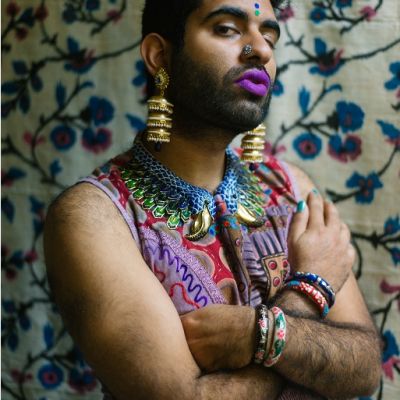
Interview – Alok Vaid-Menon
In an e-mail conversation with TARSHI, Alok Vaid-Menon talks about both performativity and poetic performance.
By TARSHI Team
September 4, 2018