Shikha Aleya

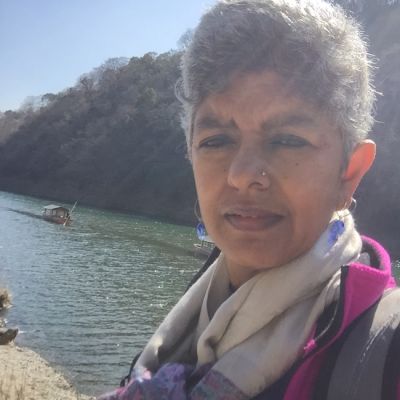
Interview: Nandini Rao
Feminist, activist, writer, counsellor and trainer, Nandini Rao, focuses on issues of gender-based violence and discrimination, sexuality and disability and on incest and child sexual abuse.
By Shikha Aleya
May 1, 2018
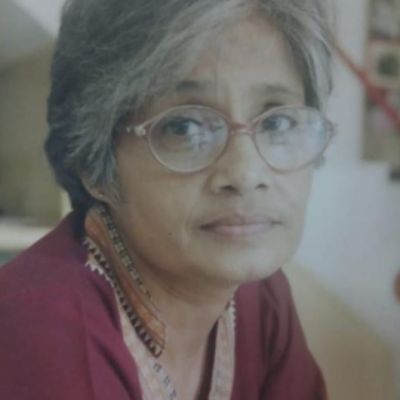
Interview: Maya Sharma
In this interview with Shikha Aleya, Maya speaks with a deep knowledge of ground realities about the increasing informalisation of labour and its implications for gender and sexuality, and about what labour rights and inclusion mean in real terms.
By Shikha Aleya
October 4, 2021
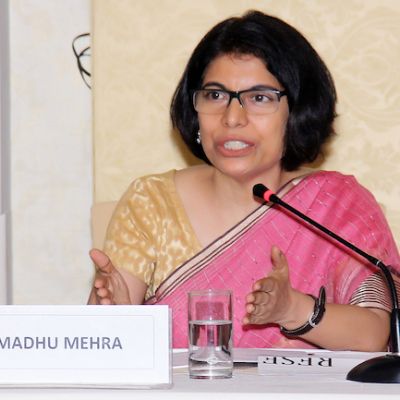
Interview: Madhu Mehra – Part 1
In this issue of In Plainspeak, we interview Madhu Mehra, lawyer and feminist activist. She is a founding member and the Executive Director of Partners for Law in Development (PLD), a legal resource group on women’s rights.
By Shikha Aleya
July 2, 2018
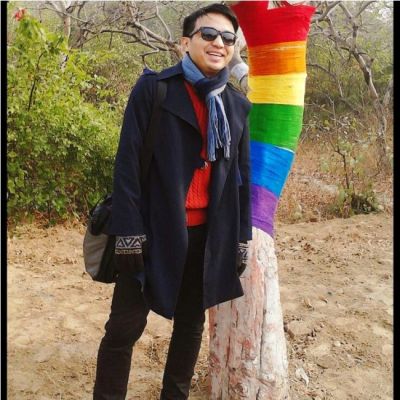
Interview: Kumam Davidson
Co-founder of The Chinky Homo Project, a digital and print queer anthology from North East India, Kumam Davidson talks about growing up in the shadow of insurgency, his writings, and his worry that “in 2019 even after Section 377 has been partially revoked, I continue to grapple with questions of intimacy and sexuality here in my state.
By Shikha Aleya
February 1, 2019
Interview: Kripa Joshi
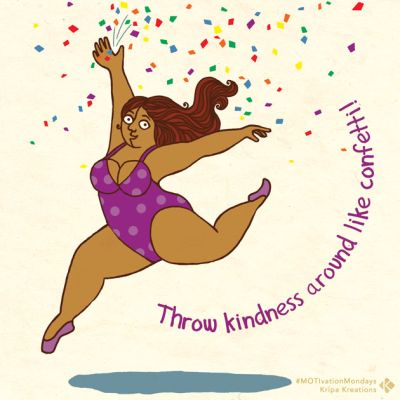
Kripa Joshi, an Illustrator and Comic Artist from Nepal, is the creator of Miss Moti, a character who defies stereotypical notions of how a person should look, feel and be. Kripa’s own experiences growing up as a plump person and her struggles with weight, have informed and inspired Miss Moti.
By Shikha Aleya
October 1, 2018
Interview: Kripa Joshi
There have been several recent examples of actors, movies and events being called out because of their lack of representation, like for the Oscars. With social media it is easier to create and distribute diverse art and also to voice the need for diversity. So it needs engagements and awareness in society. Change will happen once enough people demand that change.
By Shikha Aleya
June 15, 2021
Interview: Jeeja Ghosh
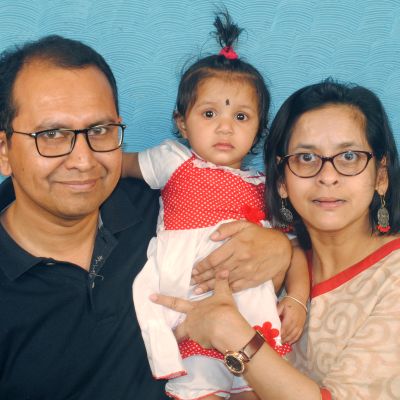
Jeeja Ghosh is a disability rights researcher and activist, feminist, parent, writer, scholar and trainer. Her lived experience of disability, and of standing up against discrimination and injustice, is at the core of her work and insights. Shikha Aleya interviews Jeeja about mobility across divides other than the physical.
By Shikha Aleya
August 1, 2019
Interview: Dr. Anja Kovacs of the Internet Democracy Project
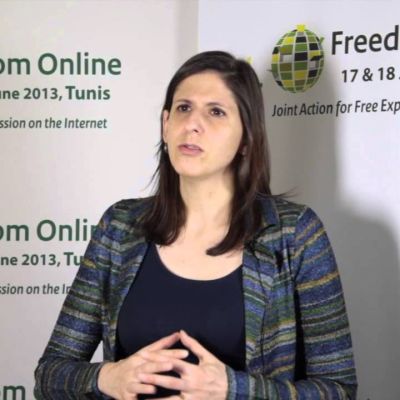
Anja speaks with Shikha Aleya about the spread of digital surveillance into almost every aspect of our lives, its implications and what we need to do about it.
By Shikha Aleya
Interview: Diversity and Sexuality – Part 2
Here, in Part 2, each interviewee addresses aspects of sexuality and diversity from their own particular space of personal knowledge, as well as work, advocacy, art and activism across diverse fields.
By Shikha Aleya
May 15, 2019
Interview: Diversity and Sexuality
For the two-part interview section of this month’s In Plainspeak, Shikha Aleya spoke to a few individuals who continue to push the boundaries of their work, art, and social norms, and expand the understanding of diversity and sexuality.
By Shikha Aleya
May 1, 2019
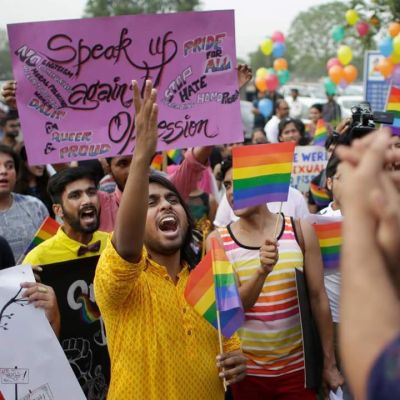
Interview: Dhrubo Jyoti
In November 2015, during the Delhi Queer Pride March, three individuals held up signs that read, ‘Dalit, Queer, Proud’, establishing…
By Shikha Aleya
October 16, 2017
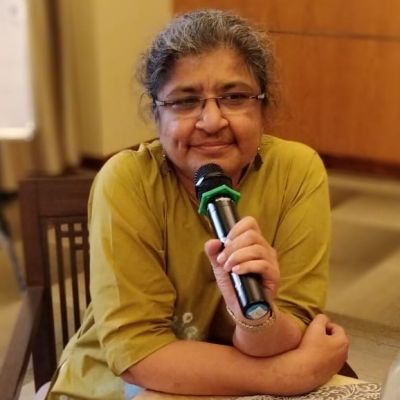
Interview: Chayanika Shah
In the course of this interview with Shikha Aleya, Chayanika Shah points out, “While decisions around gender and sexuality are very private and apparently made by each person for themselves, the material connections of community and family make this choice very contextual, and contingent on the whole social structure.”
By Shikha Aleya
June 1, 2019
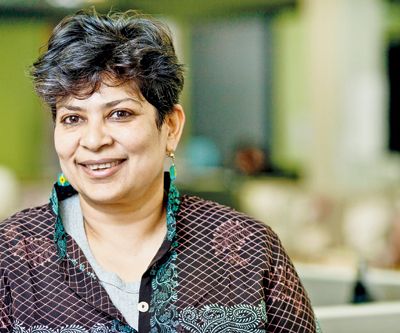
Interview: Bishakha Datta on the Brave New (Digital) World
Bishakha Datta is an Indian filmmaker, activist and a former journalist. She runs Point of View, a Mumbai based non-profit,…
By Shikha Aleya
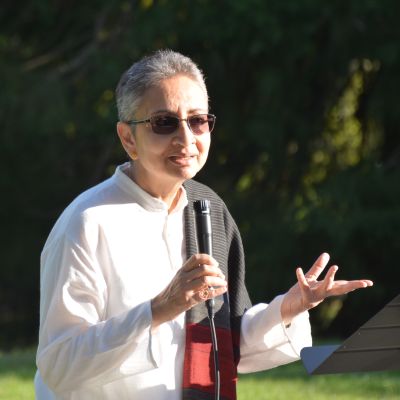
Interview: All This And So Much More
Reflecting on the theme of Spirituality and Sexuality for this issue of In Plainspeak, in an interview with Shikha Aleya, Lata says,“What might a spiritual approach contribute? It can lead you to understand that there is a core aspect of you that exists prior to and alongside the particulars that shape your identity – class, gender, sexuality, religion, able-bodiedness, etc…”
By Shikha Aleya
November 1, 2019
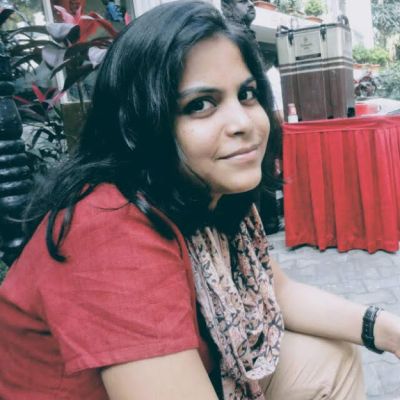
Interview: Adsa Fatima
Adsa Fatima is a feminist, trainer and resource person working with Sama Resource Group for Women and Health. In this interview, she shares her insights on issues of privacy, safety and inclusion in the context of reproductive health, sexuality and rights, and the family and social environment that influence individual choices and decisions
By Shikha Aleya
September 2, 2019