SISA spaces

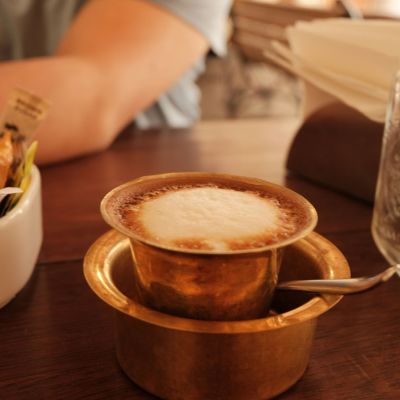
Of filter coffee, marriage and mixed celebrations of sexuality
Marriage also feels complicated when one approaches it through the lens of feminism. Marriage throws in two people and often their families into a system designed to perpetuate patriarchy, subjugate women, and bind men and women (in heteronormative marriage) into strict roles in the marriage.
By Vani Viswanathan
January 13, 2025

Editorial – Parents, Teachers, and CSE
Each time a child or adolescent asks a question that may be (even indirectly) related to sexuality, many parents and teachers get squirmy and nervous. This may be because they themselves do not have the information required, but in most cases, it has more to do with the ‘hush-hush’ that surrounds sexuality.
By TARSHI
December 18, 2024
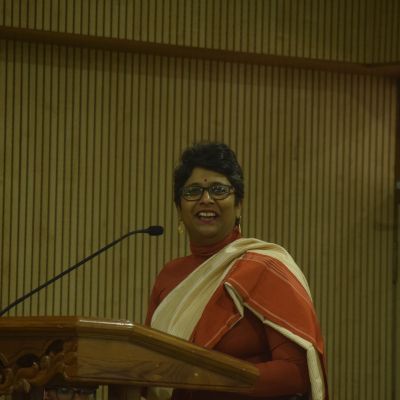
Interview – Dr. Ketaki Chowkhani
I feel that parents, teachers and CSE can make room for these disparate realities of adolescents by first acknowledging the limits of formal sexuality education, that the curriculum imparted formally fails in providing the kind of learning that happens through other sources.
By Shikha Aleya
December 18, 2024
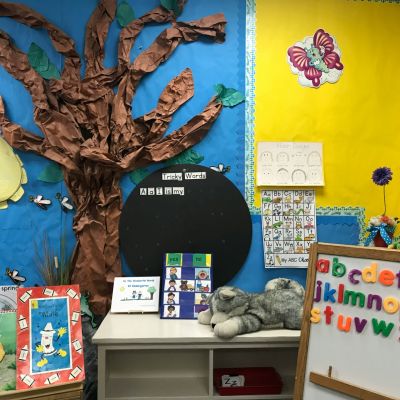
Comprehensive Sexuality and Personal Safety Education: Its Significance and Relevance
A child’s social environment in their foundational years plays a critical role in shaping their worldview and influences their responses and the way they communicate with their peers.
By Antara Buzarbaruah
Peek-A-Boo: Navigating Conversations on Sexuality with Young People as an Educator in India
Despite the lack of a formal Comprehensive Sexuality Education (CSE) curriculum in place in India, there has been a growing interest in providing CSE programmes in schools.
By Ayesha Khaliq and Nandhini Jaishankar

Between Generations: The Courage to Ask, The Courage to Answer
My mother’s openness gave me a profound glimpse into how deeply conversations – or their absence – shape our sense of self.
By Sahana G
December 18, 2024
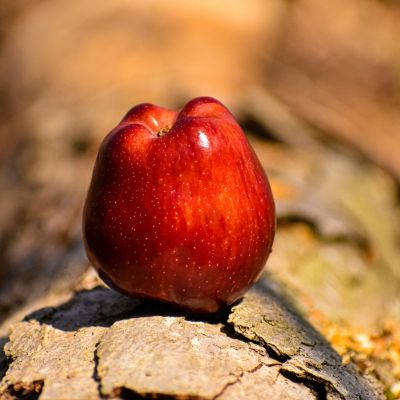
No Birds No Bees
Aria walked into her school’s auditorium, giggling with the rest of the girls, because they were about to have their very first Sex Ed workshop.
By Aradhana Phadke Sardesai
December 18, 2024
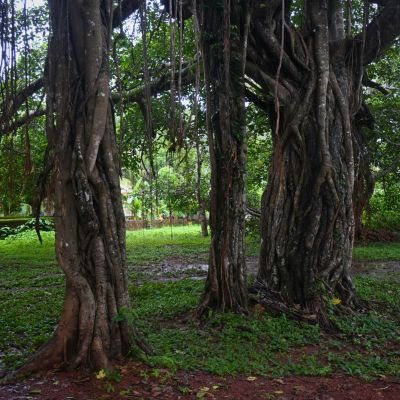
The Banyan Tree
It’s clear Ms. Nisha is not here to shame them or lecture them. She’s here to give them words when they have none.
By Taarina Therese Chandiramani
December 18, 2024
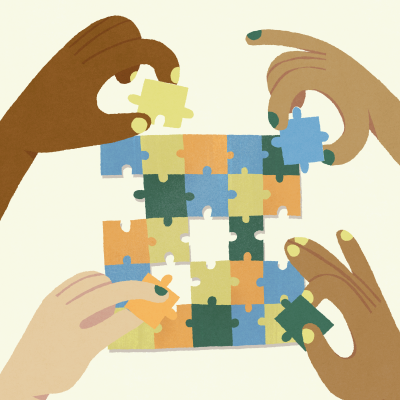
Editorial – Gender and Sexuality
Gender and sexuality are like constituent parts of a jigsaw puzzle that keeps morphing in such a way that nothing ever ‘fits’ for long, and the game begins anew each time.
By TARSHI
November 19, 2024
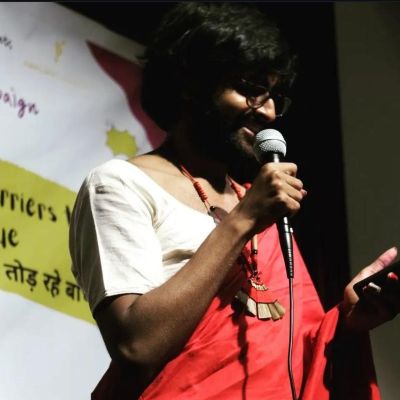
साक्षात्कार – चाँद
चूँकि दुनिया हाशिये में जीने वाले लोगों के प्रति इतनी प्रतिकूल रही है, इसलिए वे लोग हमेशा से, हर जगह ‘सुरक्षित स्थान’ बनाने की कोशिश करते आ रहे हैं।
By Akshita Singh and Pragya Solanki
November 19, 2024
Interview – Chand
Safe spaces in the way that they often circulate are depoliticised and the assumption is that there won’t be any conflicts, but there can be no safe space without an exchange of ideas, which will create some bad feelings leading to conflict.
By Akshita Singh and Pragya Solanki
November 19, 2024
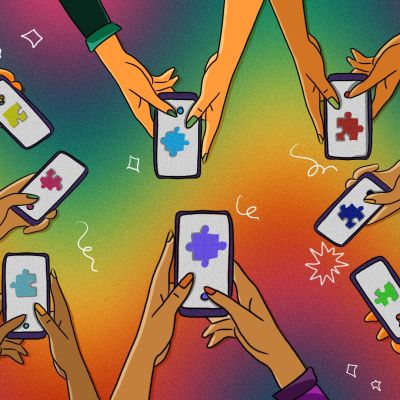
Queer Be(long)ing in Digital India
What does belonging, then, look like in urban India for people from different social, economic and political backgrounds?
By Vanshika Gupta and Niv
November 19, 2024
कैसा होगा अगर हम यौनिकता को अपनाते हुए बड़े हों?
अपनी परिभाषा, अर्थ और लांछन के आस-पास की अस्पष्टता के कारण यौनिकता एक अछूता, अनदेखा, और मनाही का क्षेत्र बना हुआ है।
By Sreejani
November 19, 2024
Editorial – Workplaces and Sexuality
Sexuality and the workplace are closely related, and a safe and healthy working environment is a fundamental human right.
By TARSHI
September 18, 2024
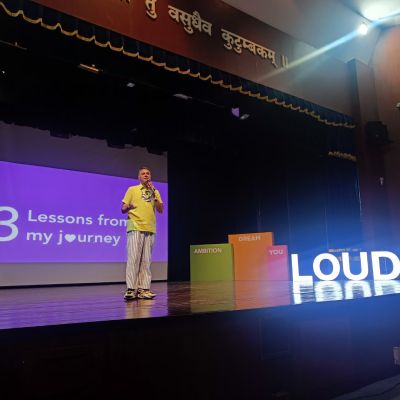
Interview – Parmesh Shahani
The larger question is, who gets to bring all of themselves to the workplace, and who is either not allowed, or feels scared, or is bullied for doing so?
By Shikha Aleya
September 18, 2024