SISA spaces

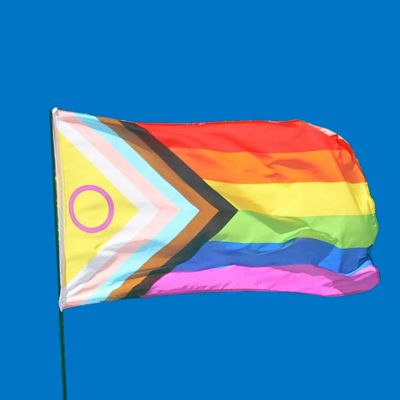
भाषा की ताकत – LGBTQIA+ पहचान और समावेशिता की दिशा में क़दम
भाषा सिर्फ अभिव्यक्ति का माध्यम नहीं है, यह पहचान, संबंध और संघर्ष का भी ज़रिया है। भाषा सामाजिक संरचना, पहचान और सत्ता-संबंधों को दर्शाने का भी औज़ार है।
By Imran Khan
January 16, 2026

When Rights Aren’t Enough: Exploring Sexuality Education in India’s National Law Universities
Without explicit attention to desire, intimacy, and emotional negotiation, legal concepts remain abstract rather than practicable.
By Prerna

Ms. Pleasant Gets Stubborn
… spaces led by the desire to not just protect but also educate all who connect with children…
By Reema Ahmad
December 16, 2025

My CSE Sundays
CSE survives in information as well as in the values that carry it forward.
By Khushi Kaushal
December 16, 2025

सहभागी डिजिटल संस्कृति और व्यापक यौनिकता शिक्षा – भारत का बदलता शैक्षिक परिदृश्य
डिजिटल मीडिया ने भारत में CSE को नई दिशा दी है। इंस्टाग्राम रील्स, यूट्यूब चैनल और आधुनिक कहानी-आधारित सामग्री ने न केवल जानकारी का लोकतंत्रीकरण किया है बल्कि युवाओं में आत्मविश्वास, समझ और संवेदनशीलता भी बढ़ाई है।
By Imran Khan
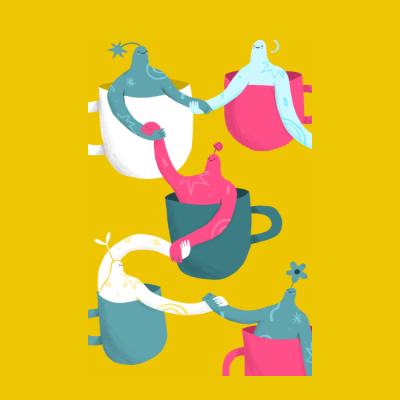
Editorial– Friendship and Sexuality
Friendship – a place where we can be ourselves as we truly are, with no artifice. A place of peace,…
By TARSHI
November 17, 2025
November 17, 2025

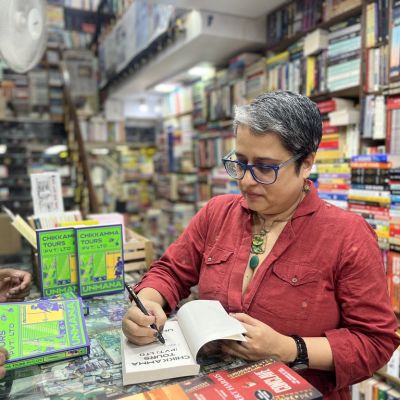
Friends of Paper, Friends of Flesh
That’s what books do, they open up the world to new possibilities, let you live a life bigger than your own.
By Ambica Naithani
November 17, 2025
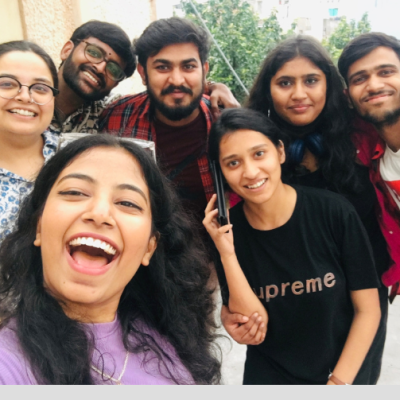
In Between Deadlines and Debriefs: On Friendships at Work
In those moments of doubt, when we wonder whether we can really make a difference in the world, it is often our work friends who remind us why we began.
By Nandhini Jaishankar
November 17, 2025

The Heart of Dating: The Debrief
The Debrief is a girlhood ritual as old as dating itself.
By Tanvi Khemani
November 17, 2025
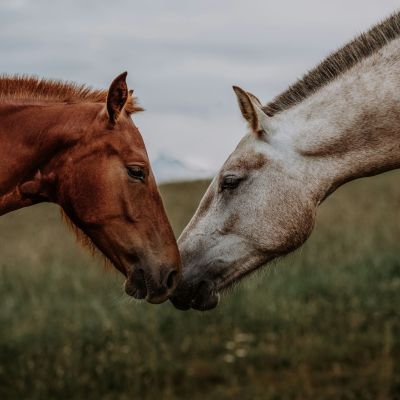
We’re Friends
If my sexuality is an integral part of who I am, then friendship is where I hope I can be who I am.
By Shikha Aleya
October 15, 2025

A World Within A World
The only substitute for “friend” is “friend” itself. Irreplaceable, singular.
By Greeshma
October 15, 2025

Sensuality and Friendship, and the Power of a Loving Gaze
But we always, always know that when it’s the two of us, a label or a word isn’t needed or necessary. We both get each other.
By passionfruitdrizzle and edamame
October 15, 2025

On Loverships, F**kships and Friendships
How am I bringing myself into the erotic moment I am sharing with a lover?
By Andy Stephen Silveira
October 15, 2025
… that feels so personal to me as a teenage girl, because it is indeed, “so confusing sometimes to be a girl.”