Pleasure

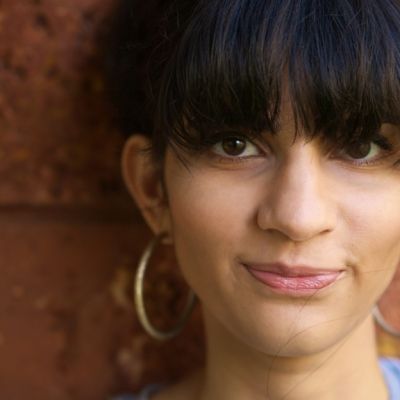
Interview: Richa Kaul Padte, Author of ‘Cyber Sexy’
Richa Kaul Padte, in her own words, is “a writer and editor interested in gender, sex, tech, popular culture and illness.” Shikha Aleya interviews Richa about porn, pleasure and pussycats.
By Shikha Aleya
November 1, 2018
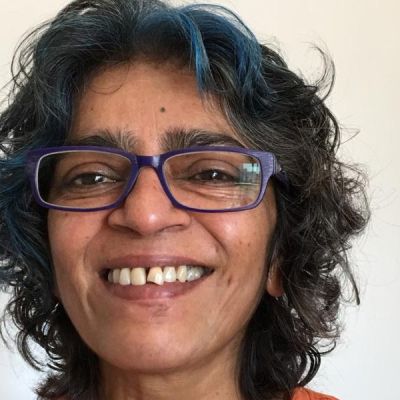
Interview: Radhika Chandiramani on What Self-Care and Sexuality Have to Do With Each Other
Sexuality and self-care are related at many levels, right from the level of knowing what you want and what you don’t, how you feel about yourself, how you are able to communicate your desires and how you are able to enjoy your experiences.
By Anjora Sarangi
Interview: Nidhi Goyal
Nidhi Goyal is a gender and disability rights activist from Mumbai, India. Anisha Dutt: Your journey as a disability and gender rights activist…
By Anisha Dutt
June 1, 2015

Interview: Food and Sexuality Via Email with Radhika Chandiramani
Radhika Chandiramani founded TARSHI in 1996. She is a recipient of the MacArthur Fellowship for Leadership Development and the Soros…
By TARSHI Team
October 15, 2015
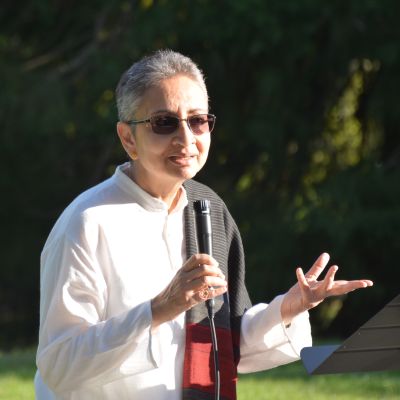
Interview: All This And So Much More
Reflecting on the theme of Spirituality and Sexuality for this issue of In Plainspeak, in an interview with Shikha Aleya, Lata says,“What might a spiritual approach contribute? It can lead you to understand that there is a core aspect of you that exists prior to and alongside the particulars that shape your identity – class, gender, sexuality, religion, able-bodiedness, etc…”
By Shikha Aleya
November 1, 2019
November 17, 2025

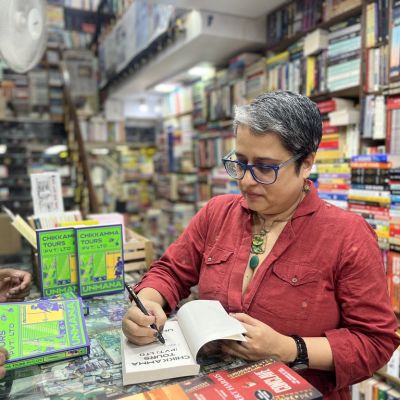
Interview – A reflective self-questioning
It is true though that ageing has brought home realities about my body that I ignored when I was younger. It has made me mindful of what I value, and what I choose to let go of, without too much of thought or unnecessary angst.
By Shikha Aleya
March 1, 2021
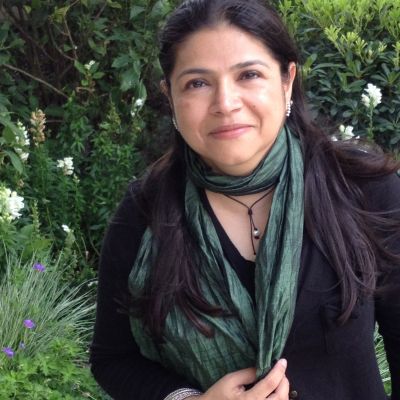
Interview – Sameera Khan
But what has been amazing to witness is how quickly young women in particular, took to the ideas of Why Loiter? and pushed them even further, creating new movements to expand women’s rights to the public, including the right to be out late at night, to stretch the curfew at women’s hostels, to demand extended access to women’s toilets, to public transport etc.
By Shikha Aleya
April 1, 2022

Interview – Rumi Harish
My assertion of my gender was not because of masculinity, it was because of the feminism which I practised – and that gave me this chance to come back to what I was. To assert what I was and to assert what I am.
By Shikha Aleya
May 19, 2025
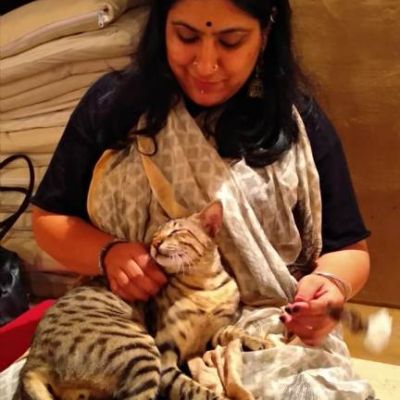
Interview – Ritambhara Mehta
Ritambhara Mehta is with Nazariya, a Delhi-based queer feminist resource group. Nazariya works on issues of gender and sexuality with a focus on issues of queer women and trans* persons.
By Shikha Aleya
February 17, 2020
Interview – Raghavi S
Language is one of the most intimate things we share with one another, more than bodies, more than time.
By Shikha Aleya
July 16, 2025
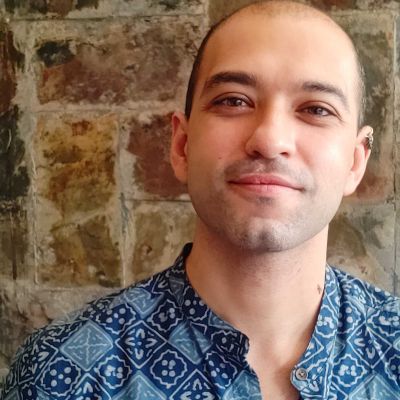
Interview – Manak Matiyani
As we grow older, moral codes, conventions of appropriateness and shame, and the utilitarian and income-focused education we get make us lose that stability. The idea of play to me is about bringing back that ability and comfort into the lives of people so that they can actually play.
By Shikha Aleya
December 1, 2021
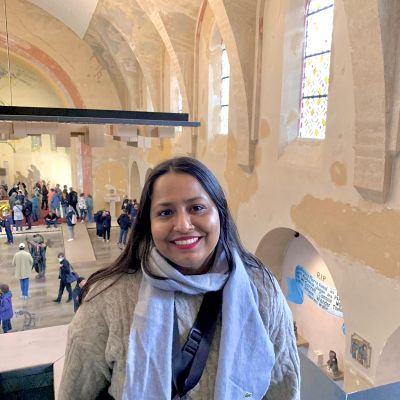
Interview – Jyotsna Siddharth
Our bodies are the vessels through which we feel, emote, work or navigate our societies and the world at large. Our bodies are the real, live archive of everything we have experienced and they have borne the consequences of our social conditioning and decisions.
By Shikha Aleya
June 16, 2023
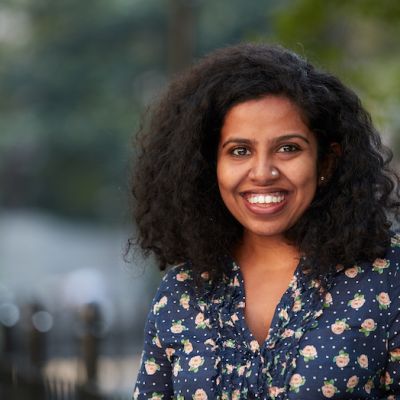
Interview – Jasmine George
Jasmine George is a TEDx speaker, lawyer, and a sexual and reproductive health advocate from India. She is the founder of Hidden Pockets and currently curates conversations around sexuality and other fields. She is passionate about using alternative means in law and technology to explore sexuality
By Shikha Aleya
December 2, 2019
Interview – Coupledom is a mix of meanings
Coupledom may or may not be for everyone, and does not mean the same thing to everyone. Importantly, coupledom does not hold the same value or position in our lives, even in the lives of the individuals perceived to be parts of a couple structure.
By Shikha Aleya
February 15, 2022