loneliness


Burnout, Boundaries, and Better Self-Care
My self-care journey has only just begun and I have a long way to go. I do have bouts of self-doubt, anxiety, and panic, and I still go through periods of feeling overwhelmed. However, more than anything, I have learnt that self-care, for me, is a subversive act, and caring for myself gives me the strength to challenge the status quo and play my part in social justice movements.
By Devika
July 19, 2021
Who would we be if we weren’t trying to survive? A Conversation on the Survival Myth
What does it mean to hold space and extend compassion to ourselves and our communities? Rachel Cargle reminds us to ask ourselves: who would we be if we weren’t trying to survive? Similarly, what would care and vulnerability look like if we weren’t trying to survive? The anarchy of queerness constantly and necessarily resists the capitalist engineering of the Survival Myth: one that wants us to endure an isolated life instead of embracing it with the radically transformative joy of togetherness. Caring for yourself precedes, succeeds, and exists alongside caring for the collective.
By Rukmini and Soumya
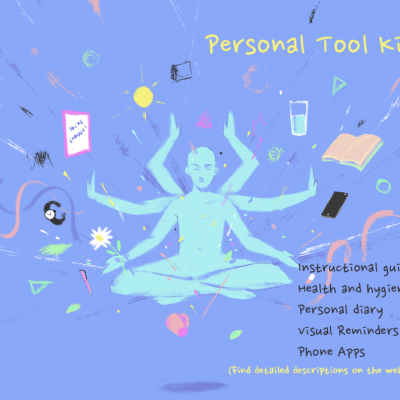
A Guide To Affordable Mental Health Care For The Queer Community
In a country like India where both mental health and non-binary identities are topics that are neglected despite being essential parts of an individual’s identity, it can be quite challenging to navigate through issues regarding the same. Accessibility to affordable and quality mental health services is a serious difficulty that the queer Indian population faces.
By Curated Content
The Politics of Self Care and Feminism
In a time when reason is more valued than emotion, unravelling and understanding the politics of self-care becomes all the more fundamental for us, and the movements we seek to develop and build. When our bodies, our emotions and our needs become weapons to be used against us, acts of defiance become rooted in thinking about your self and how we practice it. I find I am faced with more questions than answers, but I also know that asking the questions is the first step to finding the answers
By Curated Content
July 19, 2021
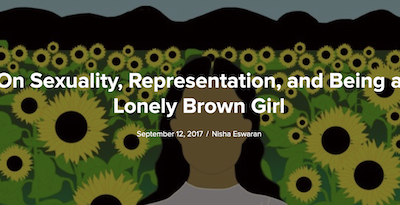
On Sexuality, Representation, and Being a Lonely Brown Girl
I long for much more than a greater representation of brown women. I long for a complete overhaul of the racial, gendered, and economic systems that structure our suffering.
But I also long for representation of all people, including brown women, who are in love, who are loveable, and who are — in the absence of love — lonely.
By Curated Content
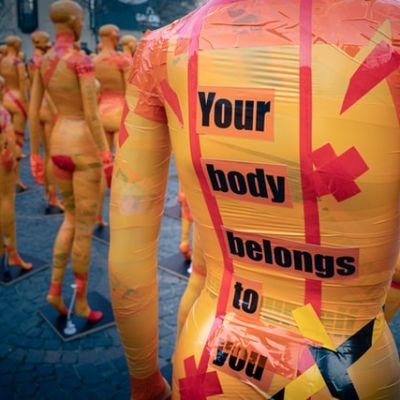
STAY SINGLE. STAY SAFE.
The largest contingent of voiceless, lonely women with limited agency in the subcontinent must be its married women. If they’re fortunate enough to be born and reach adulthood, a woman’s parents and society make sure she becomes an adult brainwashed into self-alienation and self-loathing.
By Nighat Gandhi
April 5, 2021
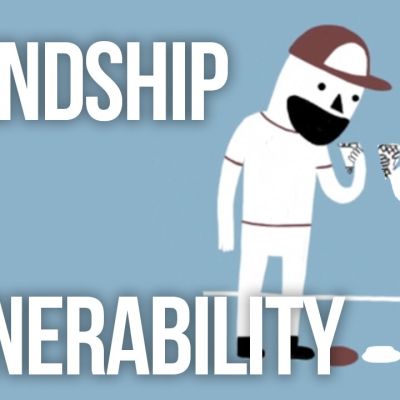
Video: Friendship & Vulnerability
We are often told to speak to ourselves as we would to a friend, gently and lovingly. At the heart of friendship is vulnerability – a radical acceptance of oneself and another for who we truly are, the glowing and beautiful, as well as the dark and crooked.
By Curated Content
April 5, 2021
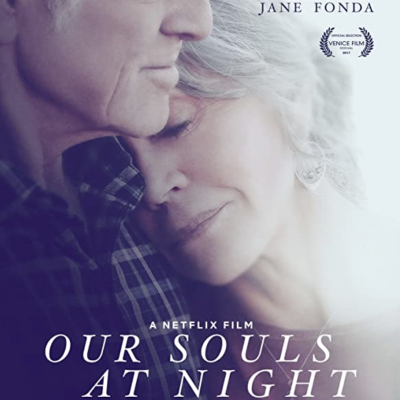
Making the most of our lives
I realised that we are constantly thinking about the future and our life as we age, and are afraid of facing the world alone. The uncertainty of future events, of which there are many combinations, makes us feel insecure and vulnerable.
By ElsaMarie D'Silva
March 1, 2021
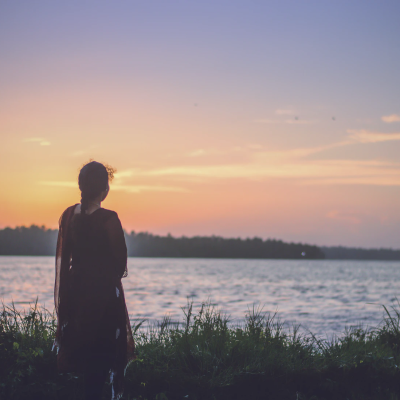
In Appreciation of Singlehood
Growing up, for me, has been about accepting that the loneliness and sadness woven into the fabric of my being do not go away with entering conventional arrangements like monogamous relationships or marriage.
By Siddhi Pandey
February 1, 2021
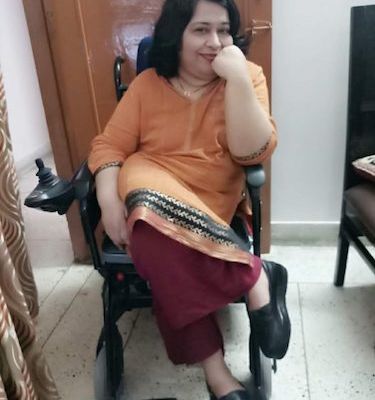
Interview – Abha Khetarpal
Abha Khetarpal is a disability rights activist and self-advocate, writer, motivational speaker, and President of Cross the Hurdles, a resource…
By Shikha Aleya
May 1, 2020