HIV


Charlie Sheen Put a Spotlight on HIV and Sex Workers. But Here’s What’s Missing From the Conversation.
In the wake of Charlie Sheen’s announcement that he was HIV-positive, there was talk of how it would affect the…
By Curated Content

Centring the Margins: Sex workers continue to battle for identity, entitlements and dignity after COVID-19
Ensuring the protection of sex workers’ physical and emotional wellbeing, as well as safeguarding their rights to life, profession, labour freedom, health, and reproductive and sexual rights is fundamental within a constitutional democratic society.
By Kuhika and Meher
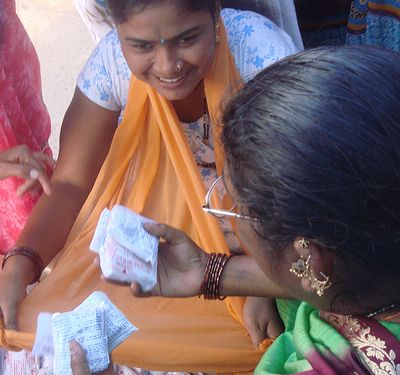
Building Solidarity Amongst Diverse and Marginalised Communities at SANGRAM, Sangli: Part 2
This is the second part in a two-part series on SANGRAM’s work in Sangli. Read the first part here. Finding…
By SANGRAM
Building Solidarity amongst Diverse and Marginalised Communities at SANGRAM, Sangli: Part 1
A gradual process of inclusion; engaging and understanding exclusion In 1992, health and human rights NGO, SANGRAM, recognised the need…
By SANGRAM

Brushstrokes: Everyday Lives
[slideshow_deploy id=’7634′] In 2006, Indian-born artist and photographer Sunil Gupta created a series of photographs of the daily lives of…
By Curated Content
December 1, 2015
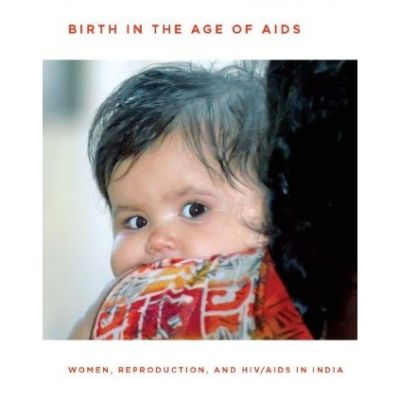
Book Review: Birth in the Age of AIDS: Women, Reproduction, and HIV/AIDS in India
Cecilia Van Hollen’s 2013 ethnography (published by Stanford University Press) of low caste, low-income women living with HIV in Tamil…
By Kristin Francoeur

Aruvi: Questioning home and ‘innocence’
Over time, I realised that ‘home’ meant not just the physical and emotional space occupied by my parents, but also a set of practices or strictures, mostly dictated by parents, related to gender roles, religion, sex, marriage, friendships and ‘appropriate’ behaviour.
By Vani Viswanathan
March 5, 2018
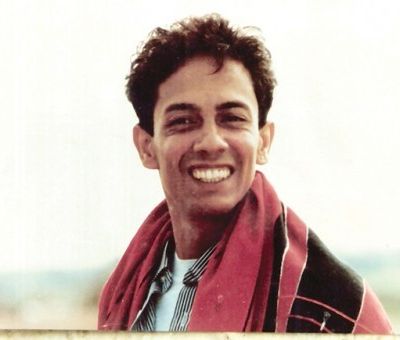
An Indefinite Sentence: Love, Homophobia and the AIDS Panic in 1980s India
I WAS 26 YEARS OLD in 1988, living in Delhi, where I had recently moved after several years as a…
By Curated Content
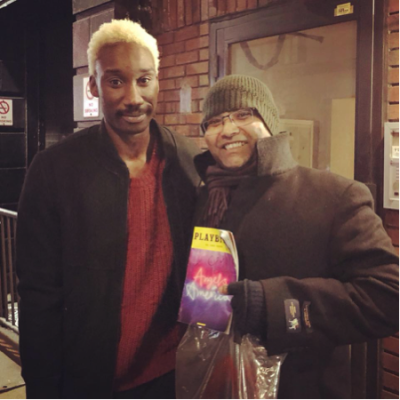
AIDS, Melancholia & Queer memory
In this essay, I revisit my early struggles with AIDS diagnosis during the summer of 2003. The recollections allow me to rethink how the New York cityscape and coming out about my HIV status to my parents in India shapes a racialised experience with HIV and AIDS, family relations, and transnational migration. Such a racialised experience is erased within Tony Kushner’s Angels in America.
By Debanuj DasGupta
April 16, 2018
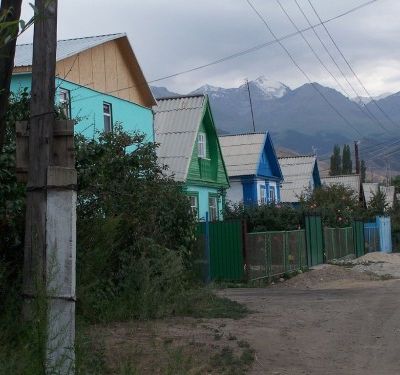
A World Away: HIV in Central Asia
In the spring of 2005, working with a medical NGO, I and five colleagues (two critical care flight paramedics, a…
By Curated Content
December 15, 2015