Gender

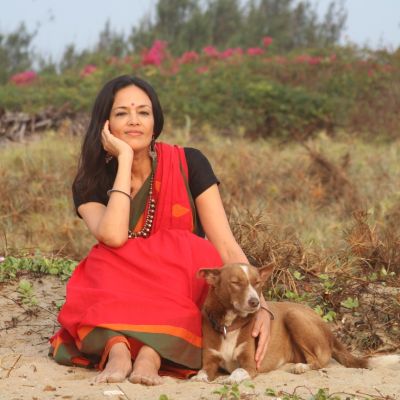
Interview – Tishani Doshi
I’ve essentially thought of movement as a kind of freedom, but one that has the capacity to destabilise you in some way. My most creative moments are when I’m not moving, when I am in fact rooted and still.
By Shikha Aleya
January 16, 2026
Interview – Tishani Doshi
I’ve essentially thought of movement as a kind of freedom, but one that has the capacity to destabilise you in some way. My most creative moments are when I’m not moving, when I am in fact rooted and still.
By Shikha Aleya
May 3, 2022
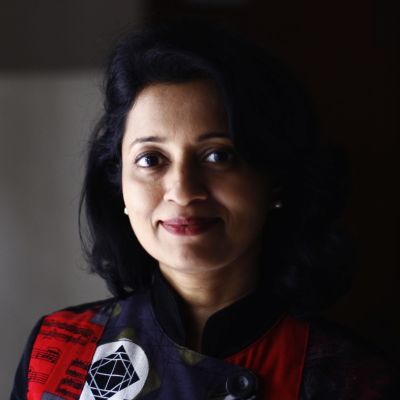
Interview – Shylashri Shankar
So why do we have to have fixed notions of gender roles and food?
By Shikha Aleya
July 5, 2023
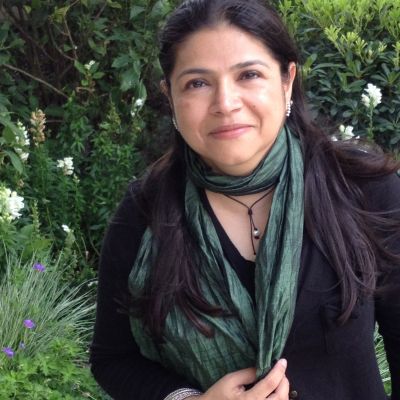
Interview – Sameera Khan
But what has been amazing to witness is how quickly young women in particular, took to the ideas of Why Loiter? and pushed them even further, creating new movements to expand women’s rights to the public, including the right to be out late at night, to stretch the curfew at women’s hostels, to demand extended access to women’s toilets, to public transport etc.
By Shikha Aleya
April 1, 2022
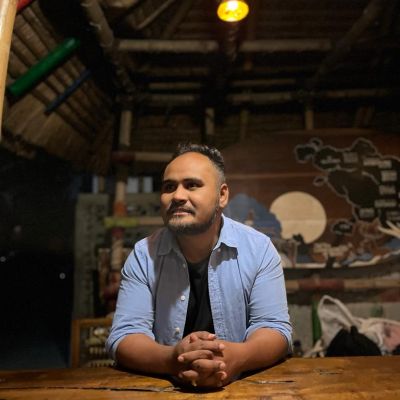
Interview – Sadam Hanjabam
When we are talking about the theme of embracing equity we can see sports as a neutral space that has the potential to be a space where everyone can connect, together, without language, and without the domination of any community over another.
By Shikha Aleya
April 6, 2023

Interview – Rumi Harish
My assertion of my gender was not because of masculinity, it was because of the feminism which I practised – and that gave me this chance to come back to what I was. To assert what I was and to assert what I am.
By Shikha Aleya
May 19, 2025
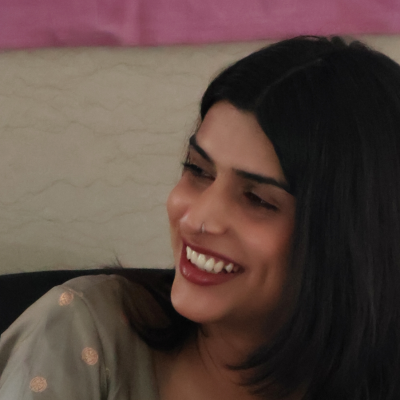
Interview – Raghavi S
Language is one of the most intimate things we share with one another, more than bodies, more than time.
By Shikha Aleya
July 16, 2025

Interview – Manak Matiyani
As we grow older, moral codes, conventions of appropriateness and shame, and the utilitarian and income-focused education we get make us lose that stability. The idea of play to me is about bringing back that ability and comfort into the lives of people so that they can actually play.
By Shikha Aleya
December 1, 2021
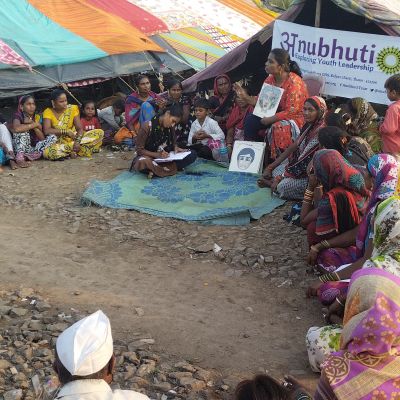
Interview – Deepa Pawar
Deepa Pawar is the Managing Trustee & Founder Director of Anubhuti Trust, and is well-known for her work with NT-DNT…
By Shikha Aleya
September 1, 2022

Interview – #covid19 and conversations online: Listening in
We are plugged in to all kinds of data from a variety of sources, through technology, and even a window view of this space is like stepping into a global COVID control data centre. We are standing up to be counted, to be seen, to do, to contribute, to advocate, to remind, to rectify and restore, to strengthen a growing network of support and response to crisis on a scale we have neither been able to process or measure.
By Shikha Aleya

Interview – This is what you bring to the table!
In this write up, we’d like to share a sense of what emerges from a compilation of these responses. This is based on the thoughts and feelings that come through for those of us here at In Plainspeak who have had the joy of reading the original responses as they came in to us. (Some of the quotations that follow have been slightly edited for flow and to help connect themes.) We know that most things in the realm of art, information and ideas lend themselves to a wide range of inferences and insights depending on the individuals making the inferences.
By Shikha Aleya
March 1, 2022

Interview – Suchitra Dalvie
Getting to know who I really am has been a game changer. Prejudice, anger, control and violence all emerge from fear.
By Shikha Aleya
May 16, 2024
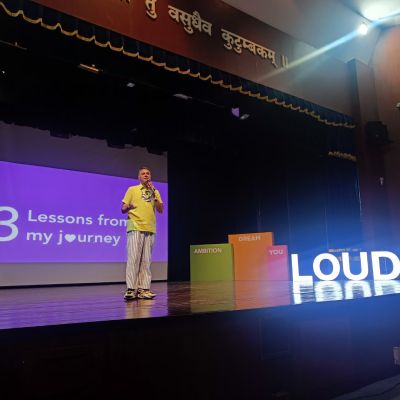
Interview – Parmesh Shahani
The larger question is, who gets to bring all of themselves to the workplace, and who is either not allowed, or feels scared, or is bullied for doing so?
By Shikha Aleya
September 18, 2024
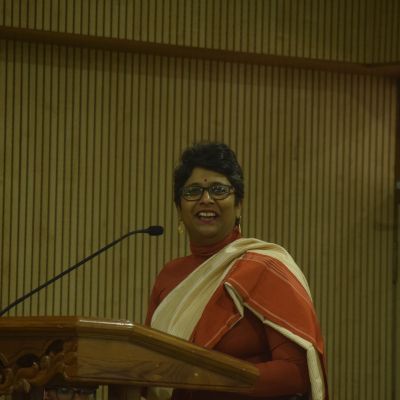
Interview – Dr. Ketaki Chowkhani
I feel that parents, teachers and CSE can make room for these disparate realities of adolescents by first acknowledging the limits of formal sexuality education, that the curriculum imparted formally fails in providing the kind of learning that happens through other sources.
By Shikha Aleya
December 18, 2024
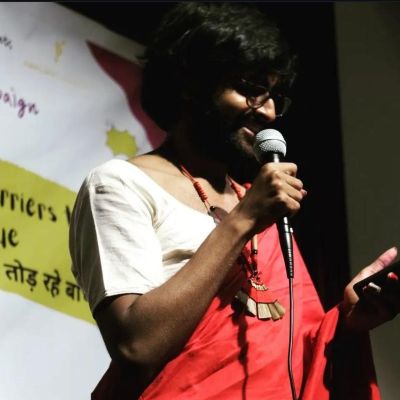
Interview – Chand
Safe spaces in the way that they often circulate are depoliticised and the assumption is that there won’t be any conflicts, but there can be no safe space without an exchange of ideas, which will create some bad feelings leading to conflict.
By Akshita Singh and Pragya Solanki
November 19, 2024