Voices


Who Can Touch My Privates? When? Where?
Marking the genitalia as ‘private’ is somehow expected of parents who want to make sure that their kids don’t allow predators in. However, this duty should be followed at the right time with a conversation about sex, which will open the door to speaking about sexuality
By Abdullah Erikat
September 2, 2019


Where do we begin?
The connection between mental and emotional wellbeing and stigmatised identities is perhaps most easily understood and therefore a good entry…
By Shikha Aleya
September 19, 2022

Where Do I Play?: Understanding the Transgender Body in Sport through “Football is a Pleasure that Hurts”
I had hoped to play through the pain of it all.
By Imaan Hegde
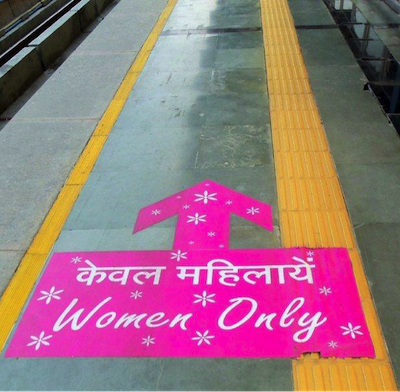
Where Do I Go?
As renowned queer scholar Judith Butler said, “For those who are still looking to become possible, possibility is a necessity.” This is essential but also easier said than done.
By Smita Vanniyar
April 1, 2019
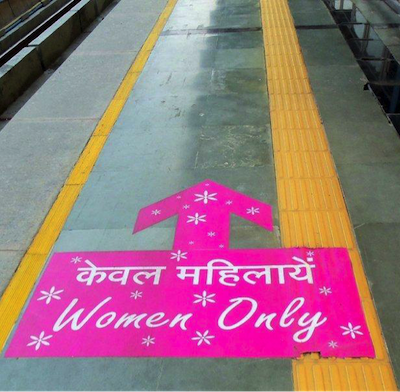
Where Do I Go?
As renowned queer scholar Judith Butler said, “For those who are still looking to become possible, possibility is a necessity.” This is essential but also easier said than done.
By Smita Vanniyar
January 2, 2020

September 14, 2026

When the Waters Rise, We Stay Rooted
The skills, networks, and resilience we’ve built over years aren’t just stories from the margins; they’re tools the whole system can learn from.
By Satbhan Singh
August 19, 2025

When The Stigma Attached to Sex Deprives Women of Worker Status
This stigma of caste, class and sexuality is a pervasive amalgamation of socio-cultural mindsets that take root and function in myriad complex ways, and paint working women in broad, sweeping, agency-less brush strokes.
By Mahika Banerji

When the Game is Set Against You, Why Play By The Rules?
“It is no measure of health to be well adjusted to a profoundly sick society.” — J. Krishnamurti Sexuality for…
By Simran Kewlani and Vasudha Ramani
September 19, 2022

April 15, 2026

When Pleasure And Pain Are Confused With Basic Rights
Though I come from a very conservative family, being open about female masturbation and watching porn didn’t seem to bother me. Yes, people have oohed and aahed at me for being so. I am still the same, proudly.
By Micky Nair
December 2, 2019

What’s Wrong with the Menu at the Cosmetic Gynaecology Bodyshop?
Medicine does not exist in a vacuum. … a doctor’s words can reinforce oppressive beauty myths or dismantle them.
By Suchitra Dalvie
December 16, 2025

What we don’t talk about when we don’t talk about kink
I realise that a lot of men want (and need) to dominate women not because it is mutually pleasurable but because it reinforces patriarchal hierarchies. The taboo around kink, as a larger space of exploration, and BDSM, as a part of it, only furthers the violence, intensifying the apparent mystery of these subjects.
By Trijita
March 17, 2023