Voices


Ms. Pleasant Gets Stubborn
… spaces led by the desire to not just protect but also educate all who connect with children…
By Reema Ahmad
December 16, 2025

Body Grammar in the Digital Age: Why Sport Matters Even More
Children in sports develop an internal lens of how the body feels, an intimate understanding of their physical self and an ownership of their bodies.
By Amita Malhotra Lalwani
December 16, 2025

Friends of Paper, Friends of Flesh
That’s what books do, they open up the world to new possibilities, let you live a life bigger than your own.
By Ambica Naithani
November 17, 2025

I am in love. I always have been.
Into my friendships, I poured every bit of romance that my passionate heart possessed; even today, I can’t say I’ve ever quite gotten out of the habit.
By Malavika Krishna Kumar
November 17, 2025
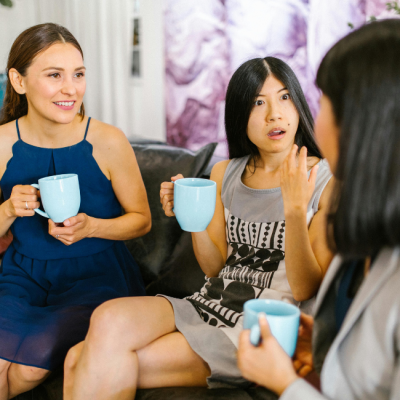
The Heart of Dating: The Debrief
The Debrief is a girlhood ritual as old as dating itself.
By Tanvi Khemani
November 17, 2025
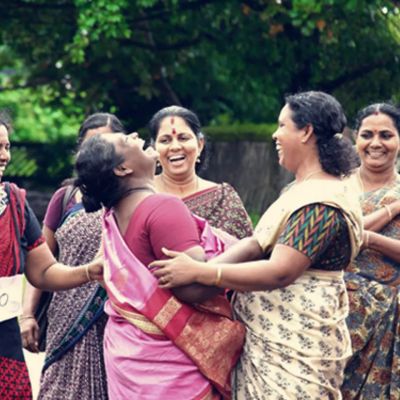
एक दुनिया के अंदर भी एक दुनिया
“दोस्त” का इकलौता विकल्प ख़ुद “दोस्त” है। स्थिर और एकमात्र।
By Greeshma
November 17, 2025
A World Within A World
The only substitute for “friend” is “friend” itself. Irreplaceable, singular.
By Greeshma
October 15, 2025

Sensuality and Friendship, and the Power of a Loving Gaze
But we always, always know that when it’s the two of us, a label or a word isn’t needed or necessary. We both get each other.
By passionfruitdrizzle and edamame
October 15, 2025
The Side People
We all are members of ‘The Side People’. No, we don’t sit around a table every Saturday to cry.
By Sonakhya Samaddar
October 15, 2025
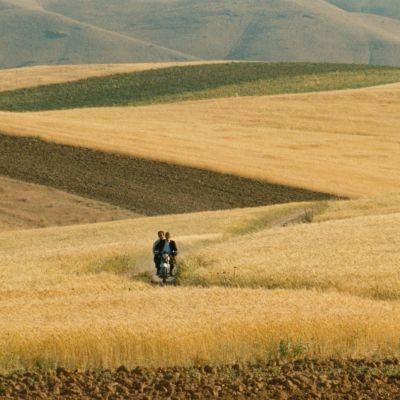
The Wind Will Carry Us
What changes if we shift our gaze from what is slipping away to what is taking root?
By anvita walia
September 18, 2025
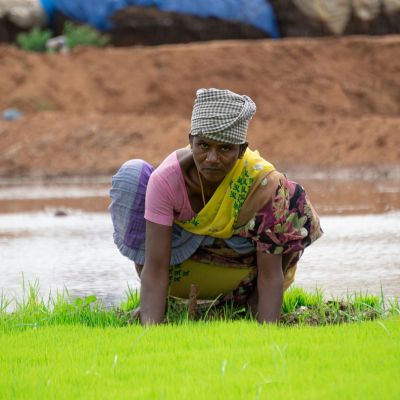
Climate Change – Who gets hit the hardest?
Climate change is having effects on health and, more specifically, sexual and reproductive health needs and services for women and marginalised populations.
By Renuka Motihar
September 18, 2025
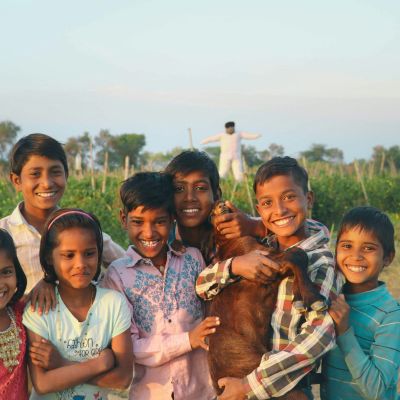
Challenging Gender Norms, Strengthening Resilience in Crisis
What other stories are waiting to be told? How can we encourage more families to stand together, share chores, and make safe spaces where everyone feels respected and valued?
By Urasmita Ghosh
September 18, 2025
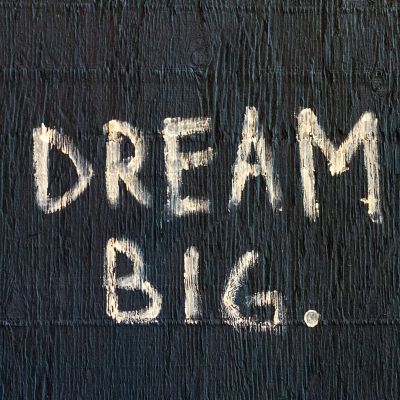
To Dream the Impossible Dream
The Dream Grants, then, became our search for that sweet spot where dreaming and waking meet, and passion becomes the project.
By Anjali Lal, Manak Matiyani, Pramada Menon, Sumedha Sharma
September 18, 2025
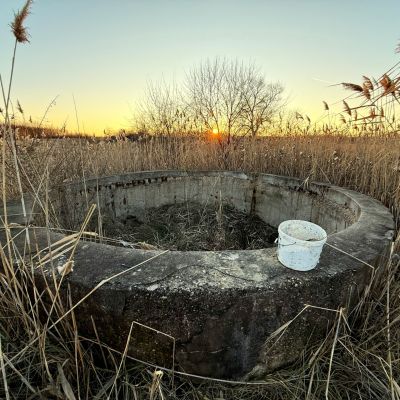
The Right to Desire in a Dying Climate
To talk about climate justice, then, is to talk about who gets to feel safe, who gets to choose, who gets to want.
By Abhigya Singh
August 19, 2025
… that feels so personal to me as a teenage girl, because it is indeed, “so confusing sometimes to be a girl.”