Gender and Sexuality

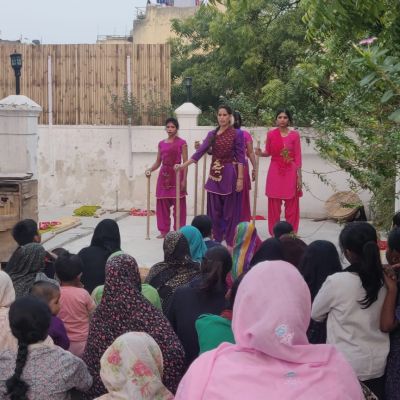
Maraa | The Spirit of a Tree
Maraa means ‘tree’ in Kannada and it is the nature of a tree that we wish to embody, with strong roots, branches in different directions, growing tall but also wilting, dying and beginning again.
By Angarika Guha
October 17, 2024
Loving Yourself
We carve strangers’ words onto our skin
like tattoos to be flaunted while hiding away
everything that we are from within.
By Aashi Singh
October 17, 2024
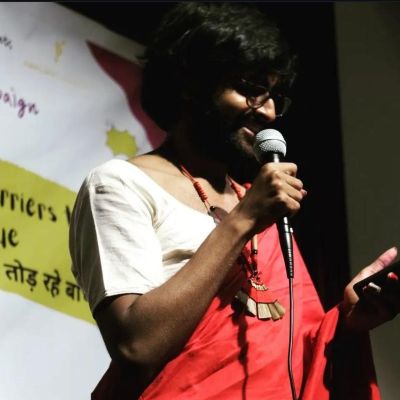
Interview – Chand
Safe spaces in the way that they often circulate are depoliticised and the assumption is that there won’t be any conflicts, but there can be no safe space without an exchange of ideas, which will create some bad feelings leading to conflict.
By Akshita Singh and Pragya Solanki
November 19, 2024

Home-coming
The morning was heavy, laden with the weight of expectation, with the unsettling realisation that something was about to shift.
By Niv, Vanshika Gupta, Anjani Chadha
November 19, 2024
Fragile Facts and Fearless Feelings
That little baby born in spring,
Shall “he” identify as Queer?
Regardless, Polaris feels queer!
By Khawahish
November 19, 2024

Find Yourself – A Triptych
As we grow and experience intimate relationships, pleasure becomes taboo or is only okay as a performance for another person, rather than our right as human beings.
By Suryaa Rajan
November 19, 2024
Emotional Slaps: The Invisible Wounds of Patriarchy
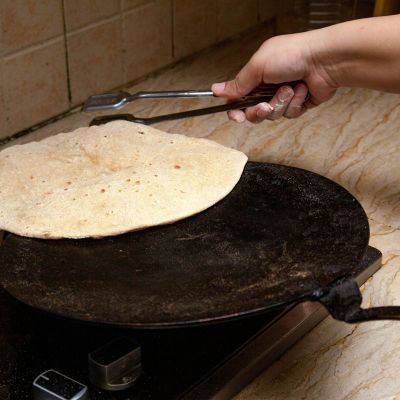
Everyone talks about how nobody can put a price on how much homemakers do for us, but nobody talks about the kind of behaviour they are subjected to almost every day.
By Anuja Tripathy
November 19, 2024
Editorial – Gender and Sexuality
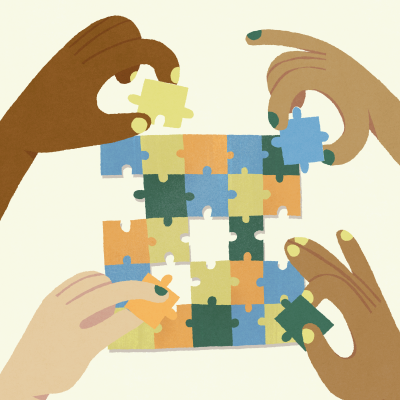
Gender and sexuality are like constituent parts of a jigsaw puzzle that keeps morphing in such a way that nothing ever ‘fits’ for long, and the game begins anew each time.
By TARSHI
November 19, 2024

Charting Queer Spaces: Lessons in Body and Belonging
Who gets to imagine this utopian sociality, or future, of the queer movement?
By Susmit Panzade
October 17, 2024

Badminton Court
Do you know what it feels like to be seen? I also don’t know what it feels like to be properly heard, but that’s a question for another time.
By Sakshi Nain Bishnoi
November 19, 2024

A small slice of Gender & Sexuality feels like this!
Here’s to some quiet time listening in to what people are saying, and consuming, on the Internet, particularly on social media, on the subject of gender and sexuality.
By Shikha Aleya
November 19, 2024