Shikha Aleya

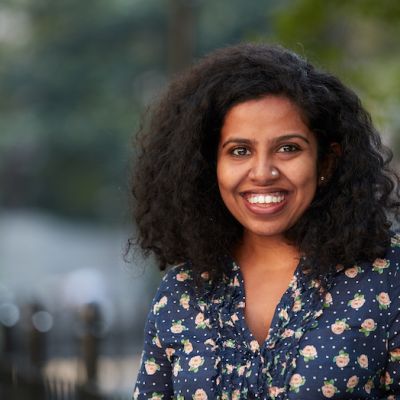
Interview – Jasmine George
Jasmine George is a TEDx speaker, lawyer, and a sexual and reproductive health advocate from India. She is the founder of Hidden Pockets and currently curates conversations around sexuality and other fields. She is passionate about using alternative means in law and technology to explore sexuality
By Shikha Aleya
December 2, 2019
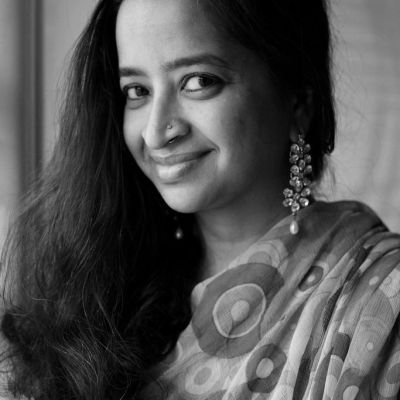
Interview – Indu Harikumar
I was watching something recently that said it was a bad thing to be vulnerable, but I don’t think it is a bad thing. I do see that there is a certain amount of power in vulnerability, it also needs courage, in my experience.
By Shikha Aleya
April 5, 2021
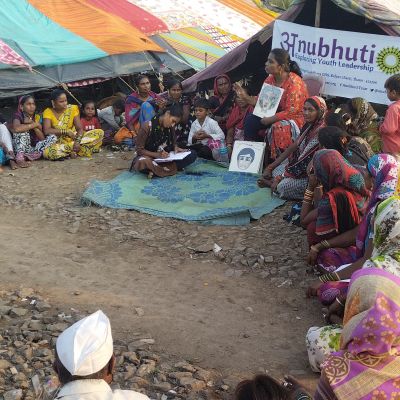
Interview – Deepa Pawar
Deepa Pawar is the Managing Trustee & Founder Director of Anubhuti Trust, and is well-known for her work with NT-DNT…
By Shikha Aleya
September 1, 2022
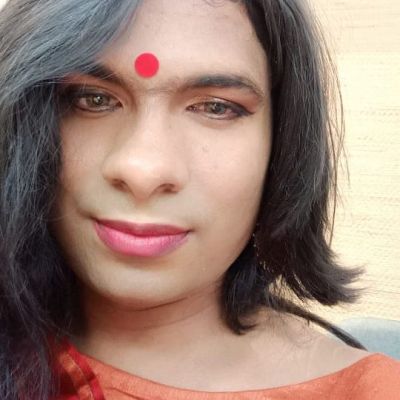
Interview – Daniel Mendonca
Shikha Aleya interviews Daniel Mendonca who identifies as an intersex person and is a gender rights activist who has engaged with diverse groups of people in India and other countries, to expand awareness, build empathy and foster an environment that is accepting of diversity.
By Shikha Aleya
October 15, 2019
Interview – Coupledom is a mix of meanings
Coupledom may or may not be for everyone, and does not mean the same thing to everyone. Importantly, coupledom does not hold the same value or position in our lives, even in the lives of the individuals perceived to be parts of a couple structure.
By Shikha Aleya
February 15, 2022
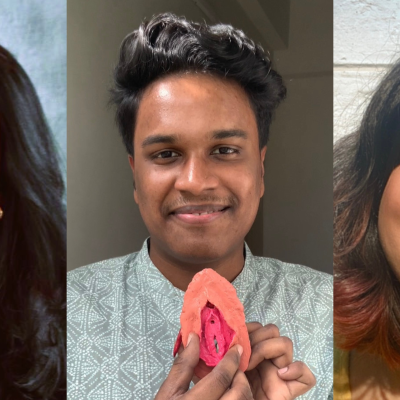
Interview – Comprehensive Sexuality Education
We requested some sexuality educators to speak on some of the priorities they identify, and also to share directions towards possible ways that could move us forward together in the Comprehensive Sexuality Education landscape, keeping in mind that there are many different constituencies and interest groups involved.
By Shikha Aleya
August 25, 2023
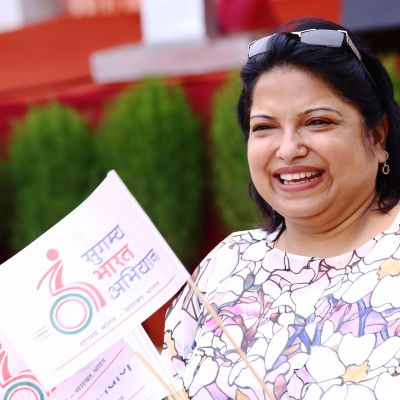
Interview – Anjlee Agarwal
Self-care is influenced by the environment we inhabit, the way we relate to others, the way we negotiate with other living beings or structures. Self-care is also interlinked with other types of care – whether that is in community resources, psychosocial support, engagement with medical and health care institutions, and of course in collective agency and solidarity.
By Shikha Aleya
February 4, 2023

Interview – Anindita Kargupta
Young people make better choices when they understand consequences, boundaries and respect – not when they are kept in the dark.
By Shikha Aleya
December 16, 2025

Interview – Anahita Sarabhai
As a queer person, it’s hard not to think right away of chosen family. A term that has become relatively well-known by now, but not always understood I find. One of the primary support systems I personally, like many queer folx, depend on, are ones that we develop and nurture over time.
By Shikha Aleya
November 2, 2020
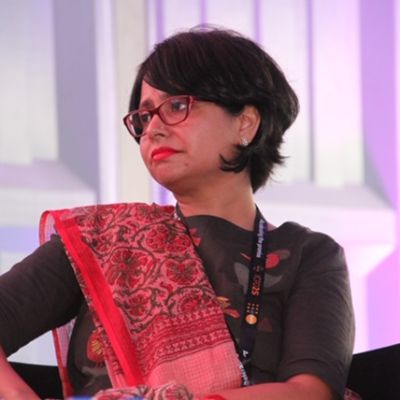
Interview – Amba Salelkar
But not every issue of discrimination and conflict can go to a court.Say for example, affording privacy to a young adult with disability to understand their body and sexual responses, or enabling them to access accessible sex toys or assistive devices related to sexual pleasure.
By Shikha Aleya
September 1, 2020
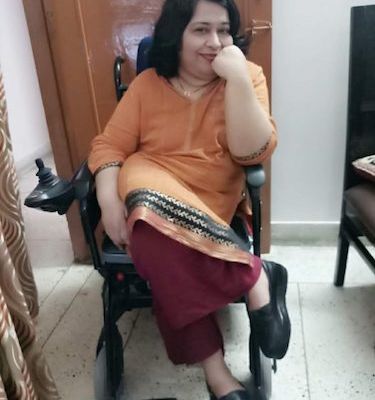
Interview – Abha Khetarpal
Abha Khetarpal is a disability rights activist and self-advocate, writer, motivational speaker, and President of Cross the Hurdles, a resource…
By Shikha Aleya
May 1, 2020

Interview – #covid19 and conversations online: Listening in
We are plugged in to all kinds of data from a variety of sources, through technology, and even a window view of this space is like stepping into a global COVID control data centre. We are standing up to be counted, to be seen, to do, to contribute, to advocate, to remind, to rectify and restore, to strengthen a growing network of support and response to crisis on a scale we have neither been able to process or measure.
By Shikha Aleya
Interview – We Have Questions!
There are times when we bend the rules and draw on the walls. This is one of those times. We listened in on some of the chatter online on the subject of consent and we ended up with some questions.
By Shikha Aleya
March 17, 2025

Interview – This is what you bring to the table!
In this write up, we’d like to share a sense of what emerges from a compilation of these responses. This is based on the thoughts and feelings that come through for those of us here at In Plainspeak who have had the joy of reading the original responses as they came in to us. (Some of the quotations that follow have been slightly edited for flow and to help connect themes.) We know that most things in the realm of art, information and ideas lend themselves to a wide range of inferences and insights depending on the individuals making the inferences.
By Shikha Aleya
March 1, 2022
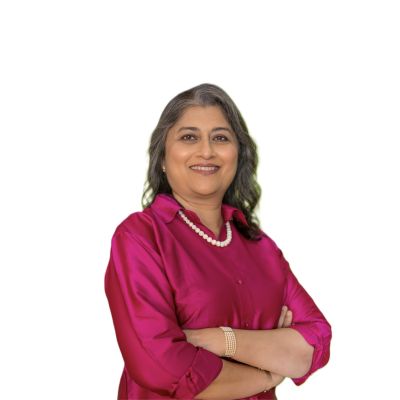
Interview – Suchitra Dalvie
Getting to know who I really am has been a game changer. Prejudice, anger, control and violence all emerge from fear.
By Shikha Aleya
May 16, 2024